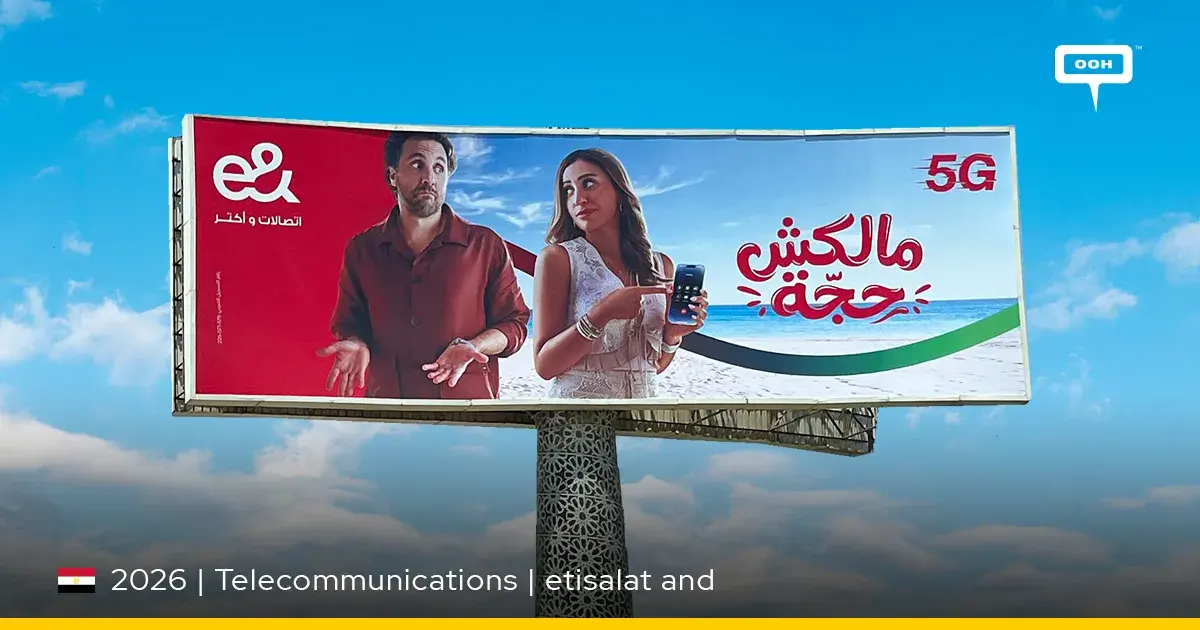
e& Egypt extended its “No Excuses” summer campaign into Greater Cairo OOH, translating television-led comedy into roadside creative centered on 5G and connectivity.
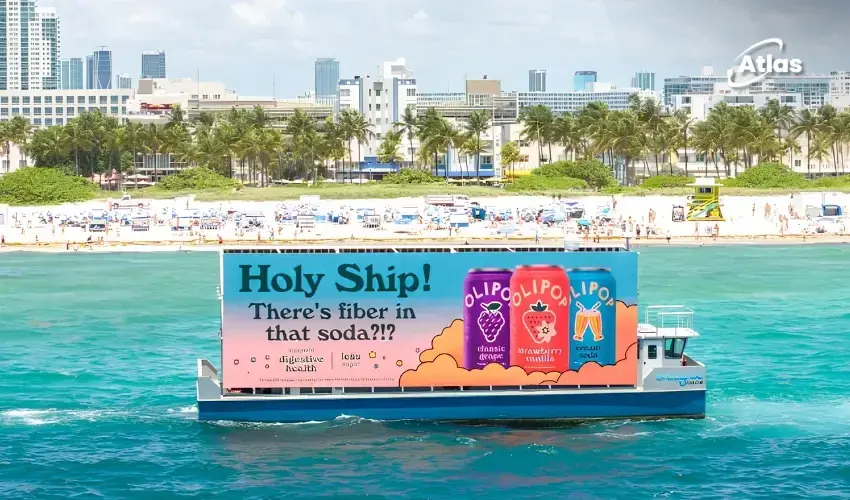
OLIPOP’s summer outdoor push combined murals, trucks, static and digital billboards and a boat billboard, illustrating how format diversity can extend one visual system into different urban contexts.
Spotify used New York City subway media around Chappell Roan to turn a transit journey into a fan-facing experience designed for both commuter visibility and social sharing.
Three Mobile’s “Let Fun In” campaign used an Oxford Circus tunnel takeover, bus media and wider OOH to give a new brand platform repeated physical presence across central London.
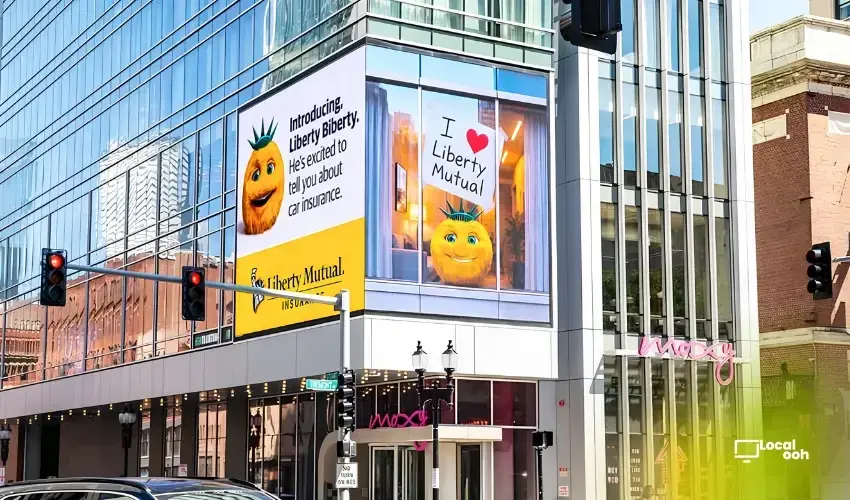
Liberty Mutual extended its “Liberty Biberty” character into a dimensional outdoor execution, using physicality and humor to turn a familiar advertising device into a street-level brand moment.
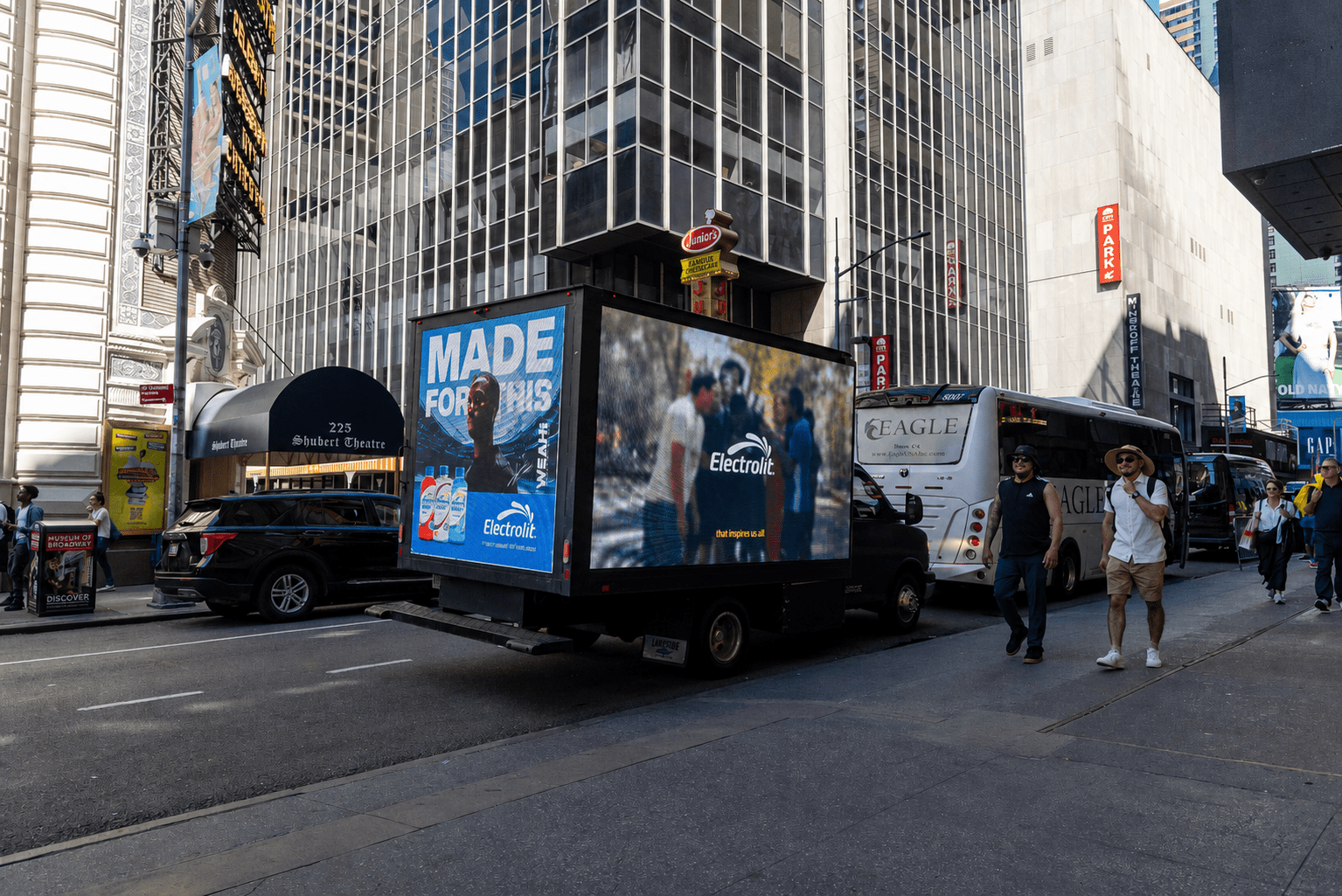
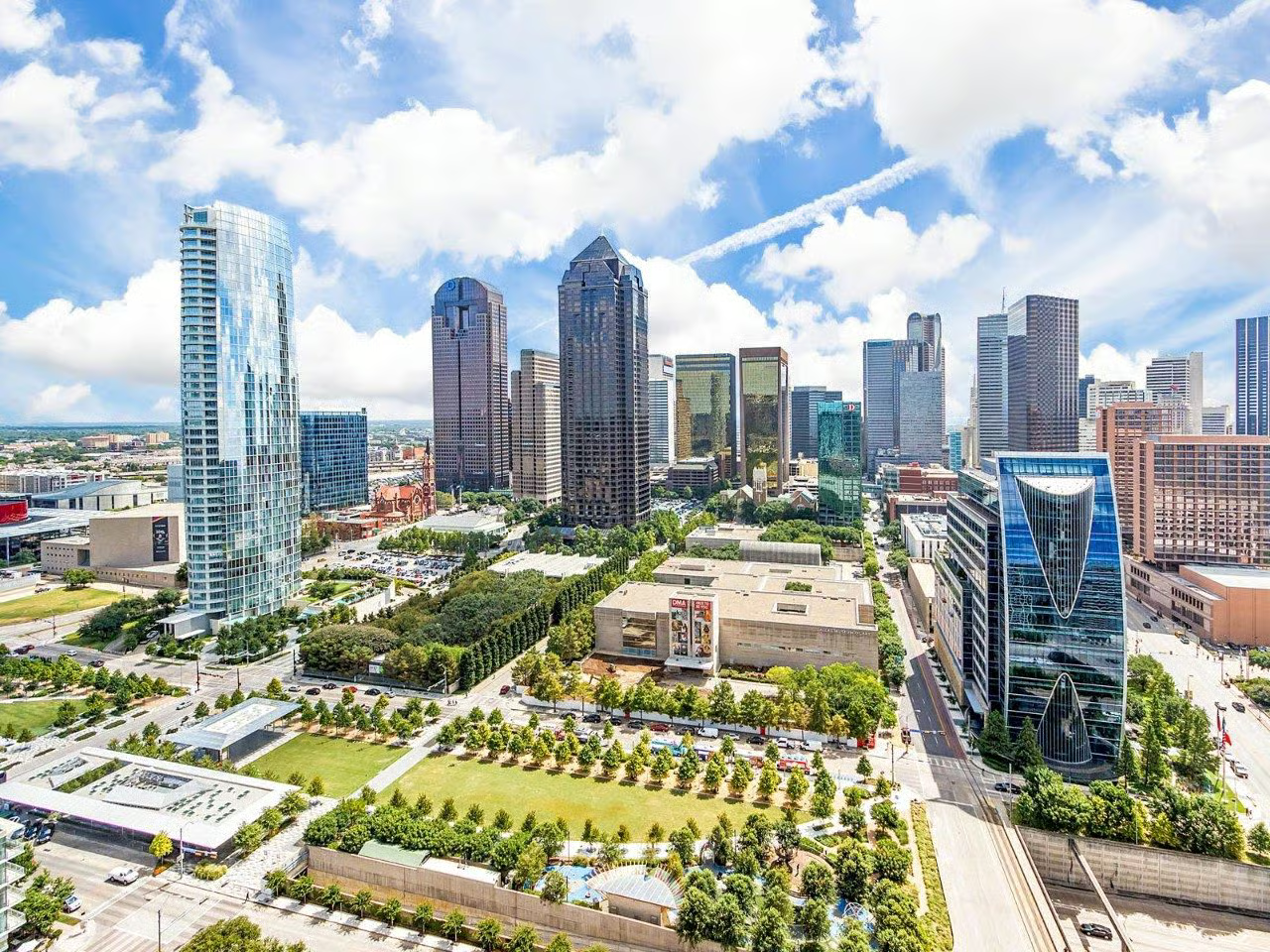
Electrolit used LED billboard trucks across New York, Los Angeles and Dallas during the 2026 World Cup. The reported results show the format's flexibility—and the operational questions buyers should ask before booking it.
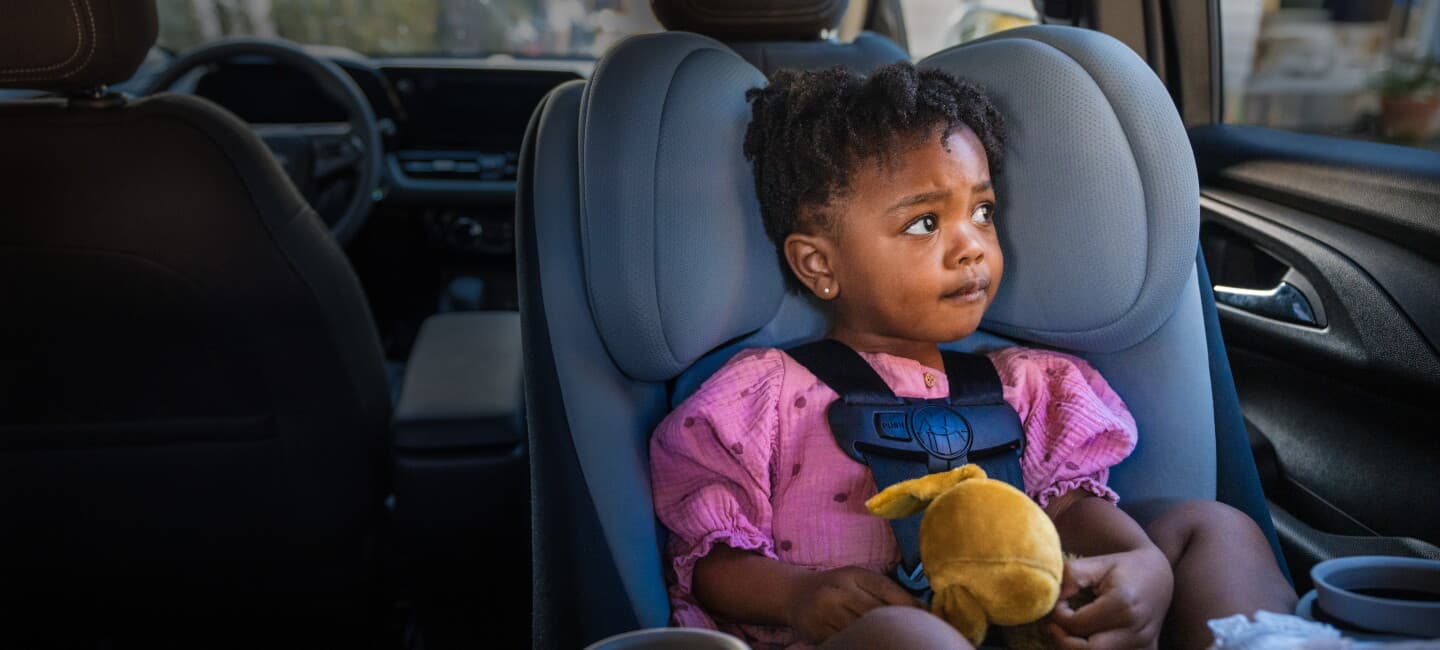
OAAA, the Ad Council and NHTSA are using a simple national message with heavier relevance in warmer markets. The campaign offers a useful planning model for brands balancing consistency with local context.
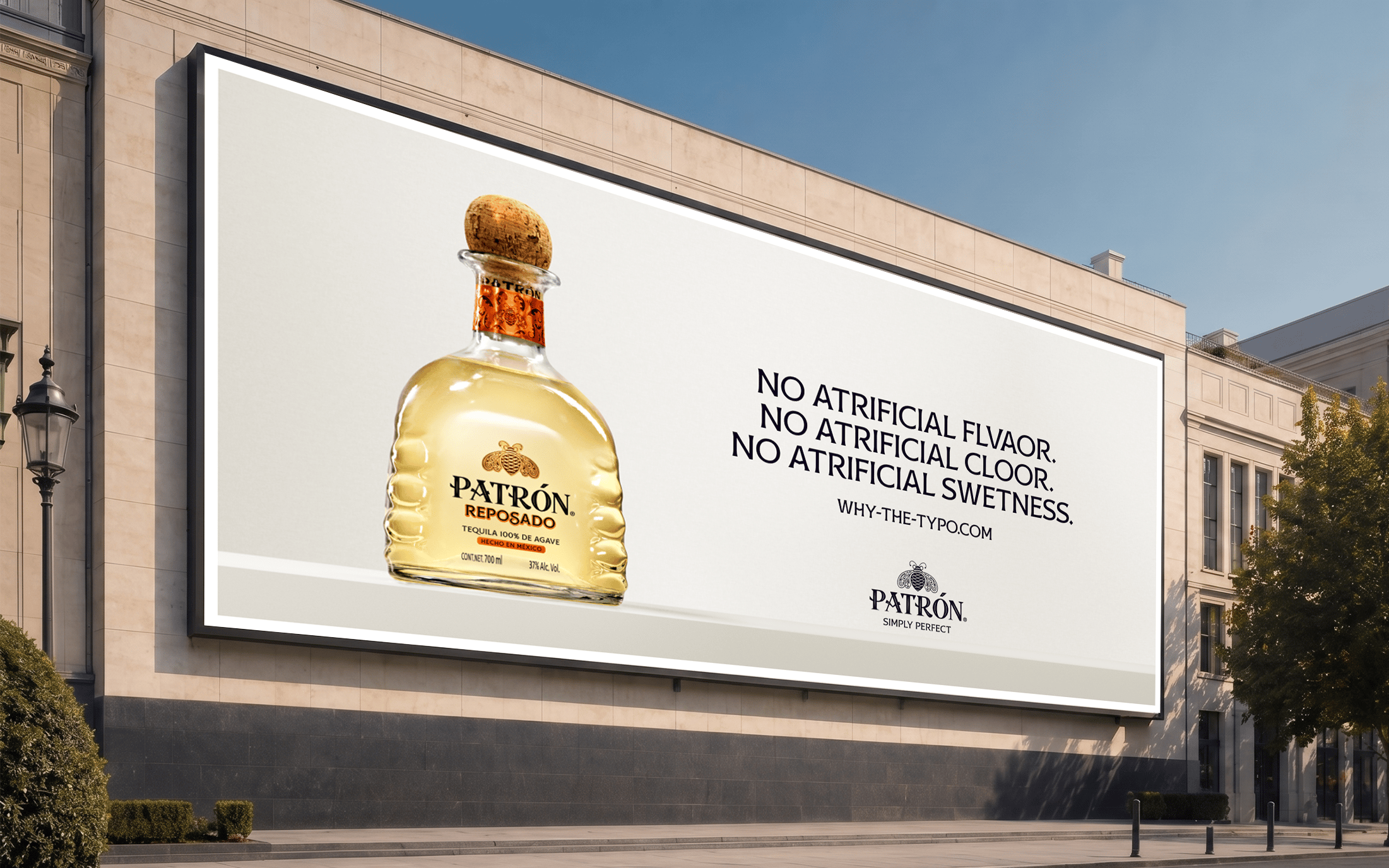
PATRÓN's U.S. campaign uses interactive billboards, murals, kiosks, transit takeovers, 3D screens and mobile OOH to turn a product fact into a repeated consumer question.
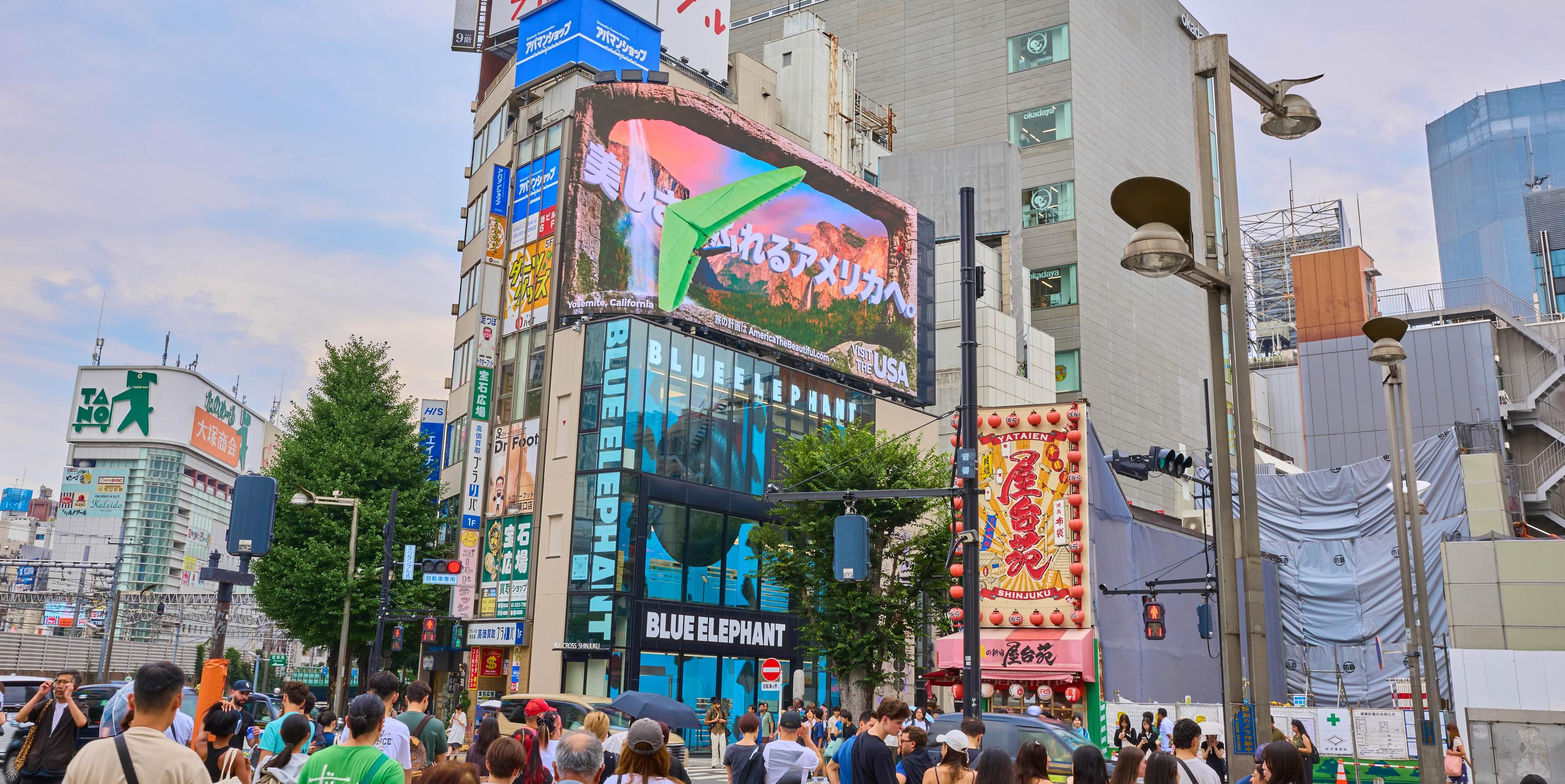
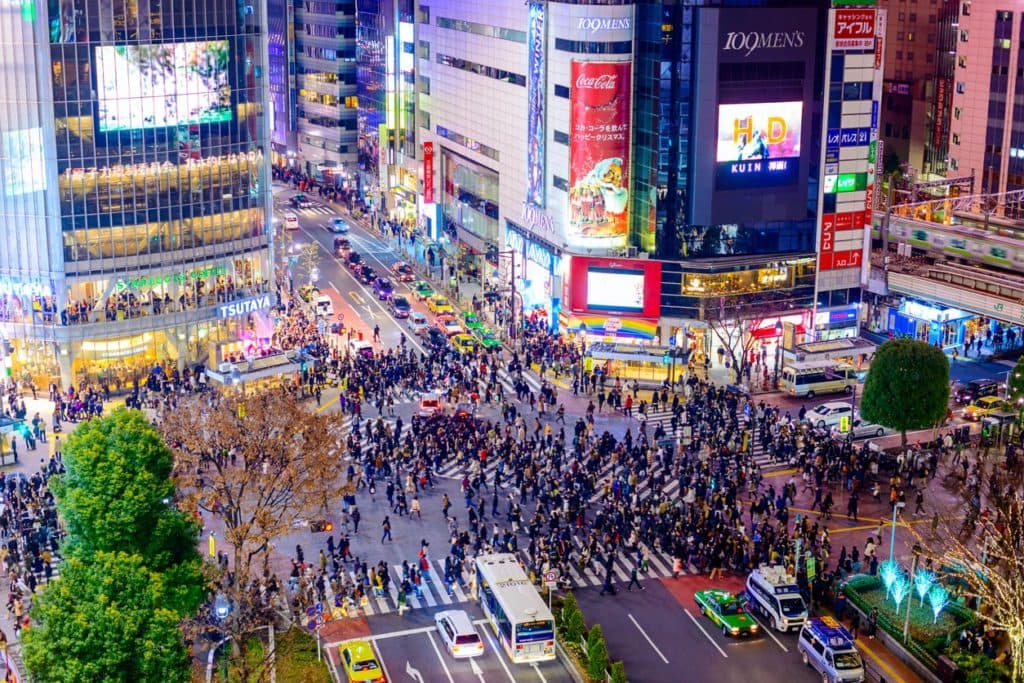
Brand USA combined Tokyo transit networks, business districts, Shibuya and Cross Shinjuku Vision in its first Japan OOH campaign—a useful model for linking broad reach, trade activity and destination fame.

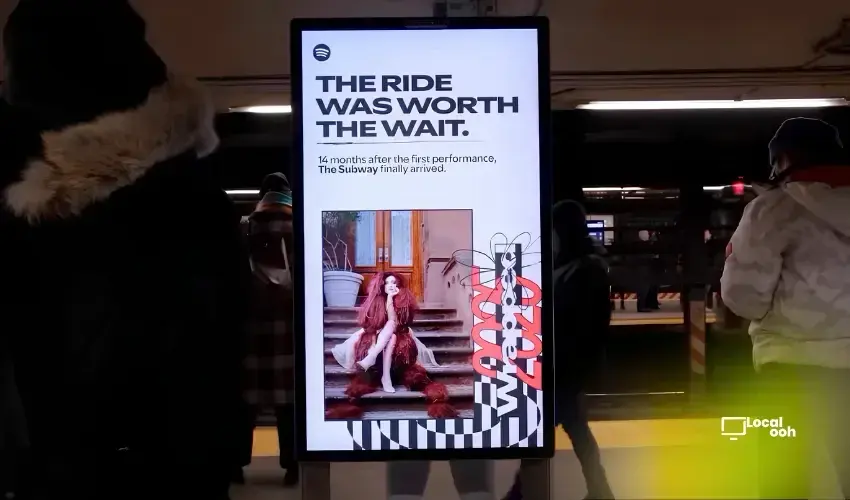
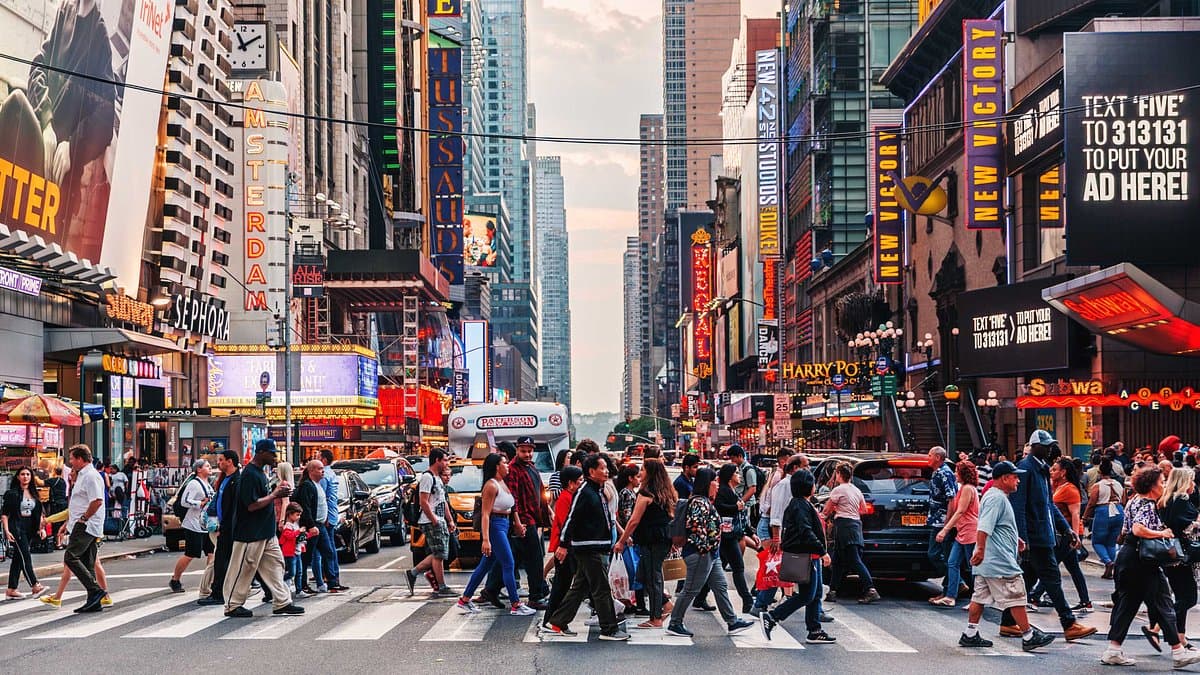 New York City
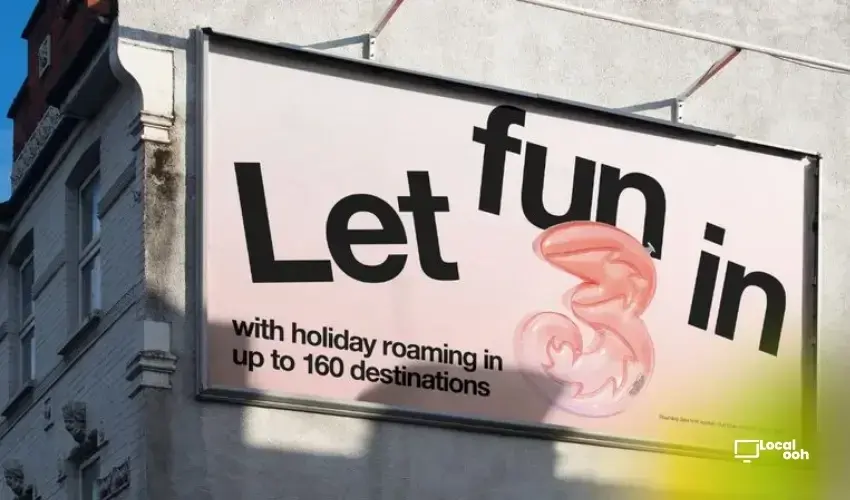
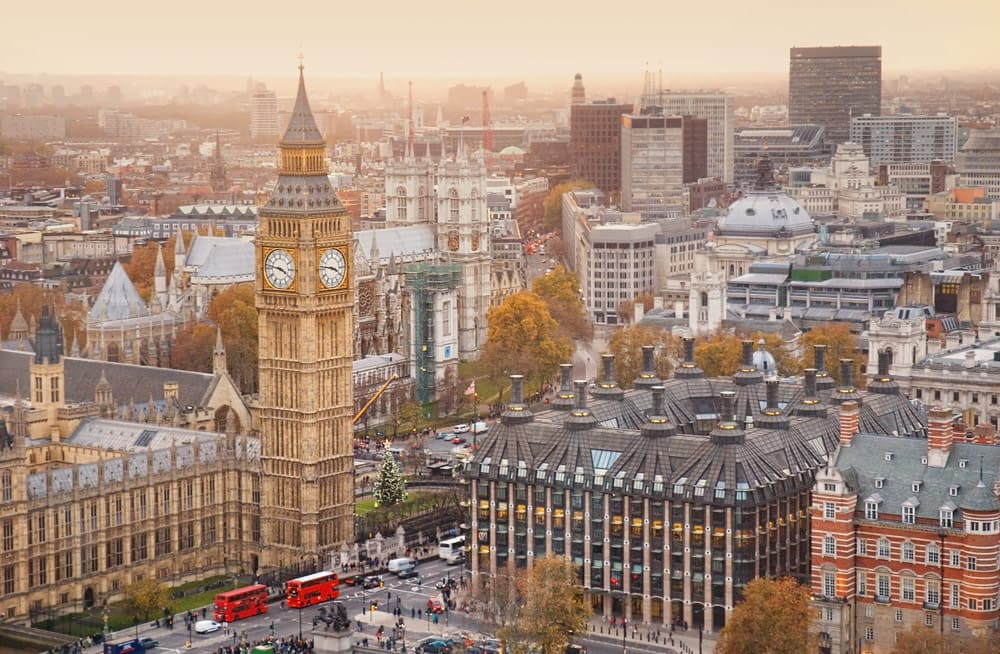 London
 Dallas
 Tokyo