
The Out of Home Advertising Association of America, the Ad Council and the National Highway Traffic Safety Administration are distributing a national heatstroke-prevention message across donated OOH inventory: “Stop. Look. Lock.”
The public-service campaign is designed to create one simple behavior before a caregiver walks away from a vehicle. Its media approach also gives commercial advertisers a useful model: keep the national idea consistent, then weight delivery toward the places and moments where it is most relevant.
Campaign facts
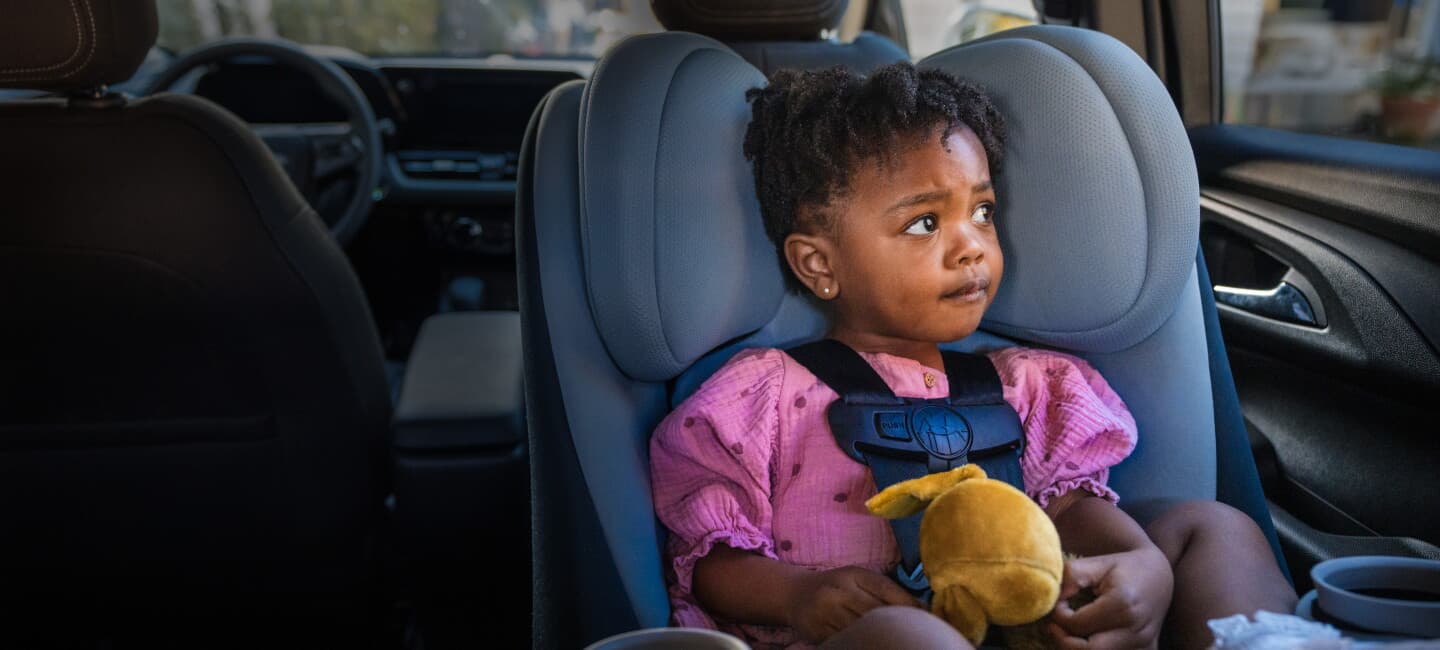
The message addresses pediatric vehicular heatstroke, which the Ad Council describes as the leading cause of non-crash, vehicle-related death for children aged 14 and younger. A child’s body temperature can rise much faster than an adult’s, and a parked vehicle can become dangerous even on a comparatively mild day.
Because this is a safety subject, campaign facts and advice should always link to official NHTSA or Ad Council guidance rather than being paraphrased into unofficial instructions.
- OOH launch: July 9, 2026
- Campaign partners: OAAA, Ad Council and NHTSA
- Central message: “Stop. Look. Lock.”
- Distribution: National donated OOH inventory
- Markets highlighted for additional relevance: Arizona, California, Florida, Georgia and Texas
- Current creative availability reported through: April 2029
- Primary audience: Parents and caregivers of children
- Desired action: Check the back seat and secure the vehicle before walking away
Why the message fits OOH
Context is not only demographic. It can be physical and behavioral.
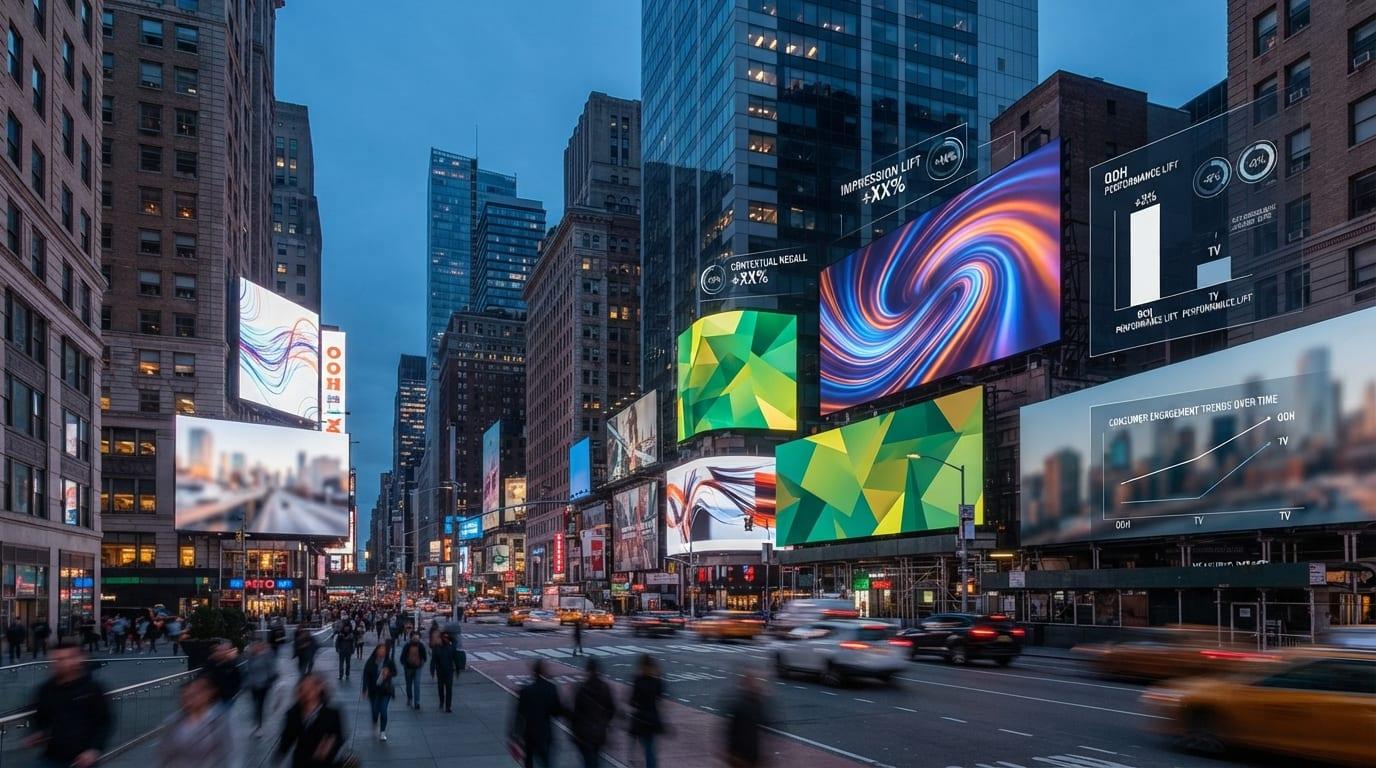
The warning appears while people are driving, parking, shopping and moving between a vehicle and a destination. The medium can therefore reinforce the behavior near the moment when it matters. Television and social media can build broader awareness, while OOH acts as a reminder in the environment where the action occurs.
That relationship is the core planning lesson. A useful placement does more than reach the right person; it reaches that person in a situation where the message makes sense.
National consistency does not require equal market weight
The same creative can run nationwide while budget, donated inventory or digital delivery is concentrated according to local conditions.
For this campaign, warmer Sun Belt markets have obvious seasonal relevance. But the campaign remains national because hot-car incidents are not confined to traditionally hot states. The central behavior and branding stay consistent while media weight changes.
Commercial advertisers can use a similar framework:
A retailer could keep one national offer while increasing OOH around new stores. A travel brand could retain one campaign platform while featuring different departure airports. A beverage advertiser could adjust digital delivery by temperature without creating an entirely separate campaign for every city.
- Brand identity: Market-level spend
- Core proposition: Product availability
- Campaign platform: Weather or season
- Visual system: Store, event or service proximity
- Measurement standard: Local conversion opportunity
A practical local-weighting model
Advertisers can divide markets into three layers:
This model should be based on business evidence, not simply on the largest cities. Useful inputs include store coverage, historical sales, audience concentration, seasonality, inventory quality and the cost of reaching the same audience through other media.
- Core national coverage: enough presence to establish broad recognition.
- Priority-market weight: additional frequency where sales potential, distribution or urgency is highest.
- Contextual digital layer: flexible DOOH activated by weather, time, events or other approved signals.
Keep contextual targeting understandable
Contextual advertising can become needlessly complicated. The strongest rule is often the one a planner can explain in a sentence.
For example:
Each rule needs a fallback creative. If a data feed fails or a local condition is not met, the campaign should still have an approved message to display.
- Increase delivery when the temperature crosses an agreed threshold.
- Run commuter creative during weekday travel periods.
- Prioritize screens within a verified journey of open retail locations.
- Shift event creative from anticipation to results after a confirmed outcome.
- Use a national message but change the nearest-location callout.
What advertisers should not copy
The OAAA campaign relies on donated public-service inventory. Commercial advertisers should not assume the same access, duration or distribution. They also should not present public-safety campaign reach as proof that their paid campaign will perform identically.
Instead, copy the planning principles:
- One memorable action
- Strong environment-message fit
- National consistency
- Evidence-based local weighting
- Cross-channel reinforcement
- Creative built for repeated, brief exposure
Questions for a national-to-local OOH brief
The answers should appear in the media plan before inventory is booked.
- Which markets require baseline coverage?
- Which markets deserve extra frequency, and why?
- What local data can legitimately change the plan or creative?
- Are the same formats available in every market?
- How will different operators be normalized in reporting?
- Which creative elements must remain nationally consistent?
- What is the fallback when a trigger or data feed is unavailable?