
Summary
Broadsign’s 2026 programmatic DOOH analysis says private marketplace transactions represented more than 86% of pDOOH spend in 2025, while a small number of standard creative dimensions captured most video and display spend.
What happened
Broadsign’s 2026 programmatic DOOH analysis says private marketplace transactions represented more than 86% of pDOOH spend in 2025, while a small number of standard creative dimensions captured most video and display spend.
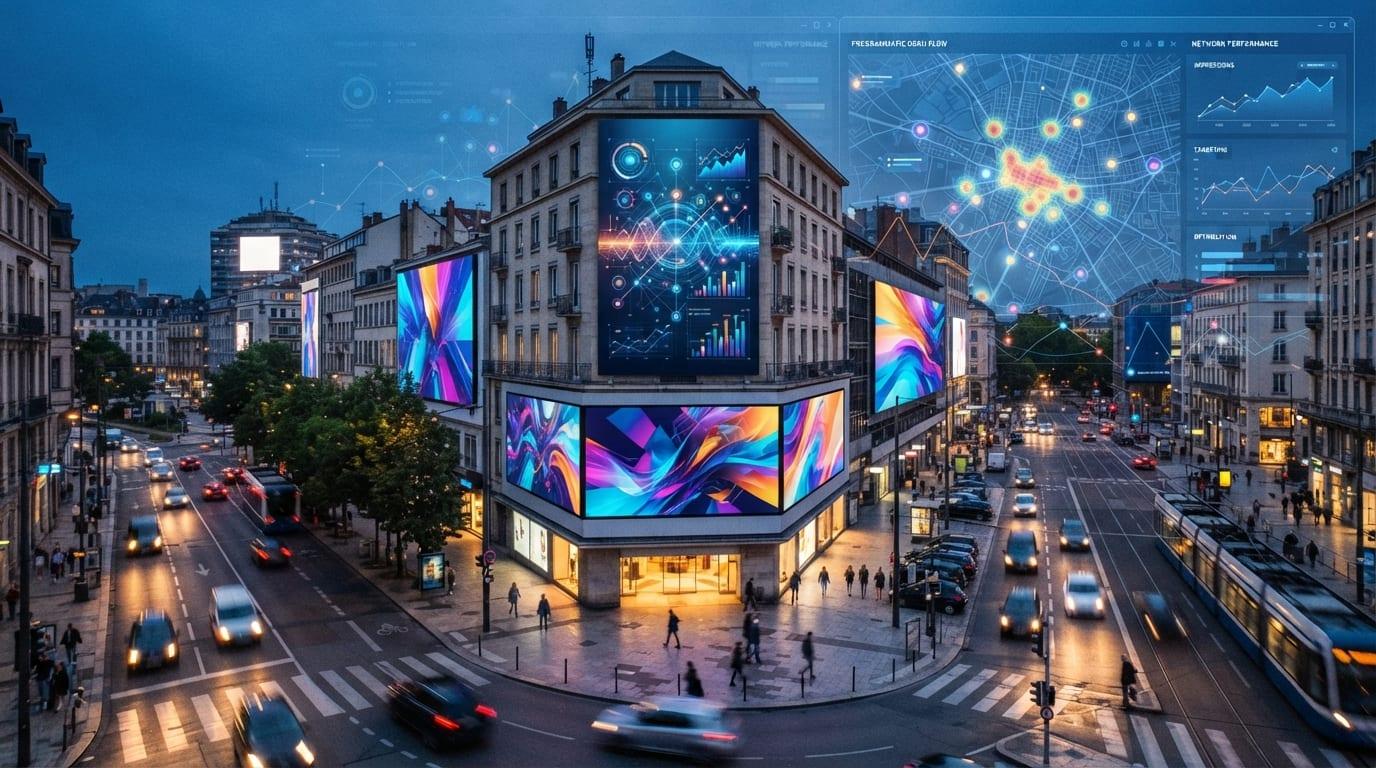
Broadsign says its combined ecosystem with Place Exchange includes more than 1.7 million programmatically enabled screens. Outdoor environments represented 48.4% of programmatic DOOH spend in the cited dataset, followed by retail at 18.5% and transit at 12.7%.
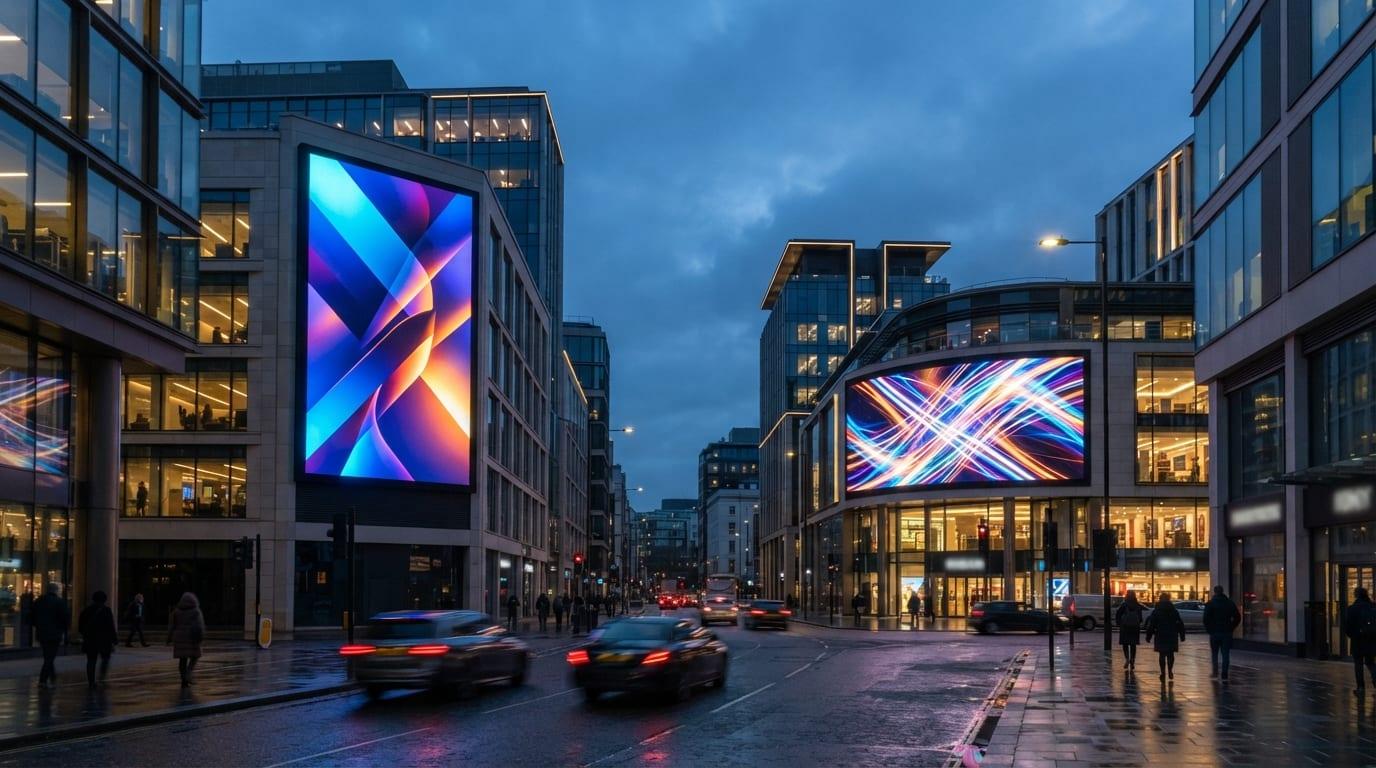
The story is relevant to Billboard Guide because it sits at the intersection of physical location, audience movement and media execution. OOH performance is rarely explained by format alone. The same creative can behave very differently depending on the street, station, venue, route, dwell time, competitive clutter and frequency of exposure around it.
Key facts for advertisers and media planners
These details should be read as campaign or market evidence rather than as a universal benchmark. Availability, pricing, audience methodology, rotation rules and specifications vary by operator and market. Buyers should confirm the current commercial terms directly with the media owner or its authorized sales partner before using any figure for a live media plan.
- Broadsign says its combined ecosystem with Place Exchange includes more than 1.7 million programmatically enabled screens.
- Outdoor environments represented 48.4% of programmatic DOOH spend in the cited dataset, followed by retail at 18.5% and transit at 12.7%.
- Two common video dimensions—1080x1920 and 1920x1080—accounted for 77% of programmatic video spend in 2025.
- Three display dimensions—1080x1920, 1920x1080 and 1400x400—represented about 79% of display spend.
- Private marketplace transactions accounted for more than 86% of programmatic DOOH spend.
What advertisers can learn
For SEO and AI-search users researching this topic, the most useful takeaway is the connection between the named company or campaign and its real-world geography. In OOH, geography is not metadata: it is part of the product. The route, district, city, venue or country affects who can plausibly see the message, how long they can see it, and what the surrounding environment communicates before the ad itself is processed.
- PMP dominance suggests buyers value curated access, known supply relationships and negotiated controls rather than treating OOH as an unrestricted open-exchange impression pool.
- Creative standardization is an operational advantage. Preparing the most common portrait and landscape assets can unlock a large share of eligible inventory without creating dozens of bespoke files.
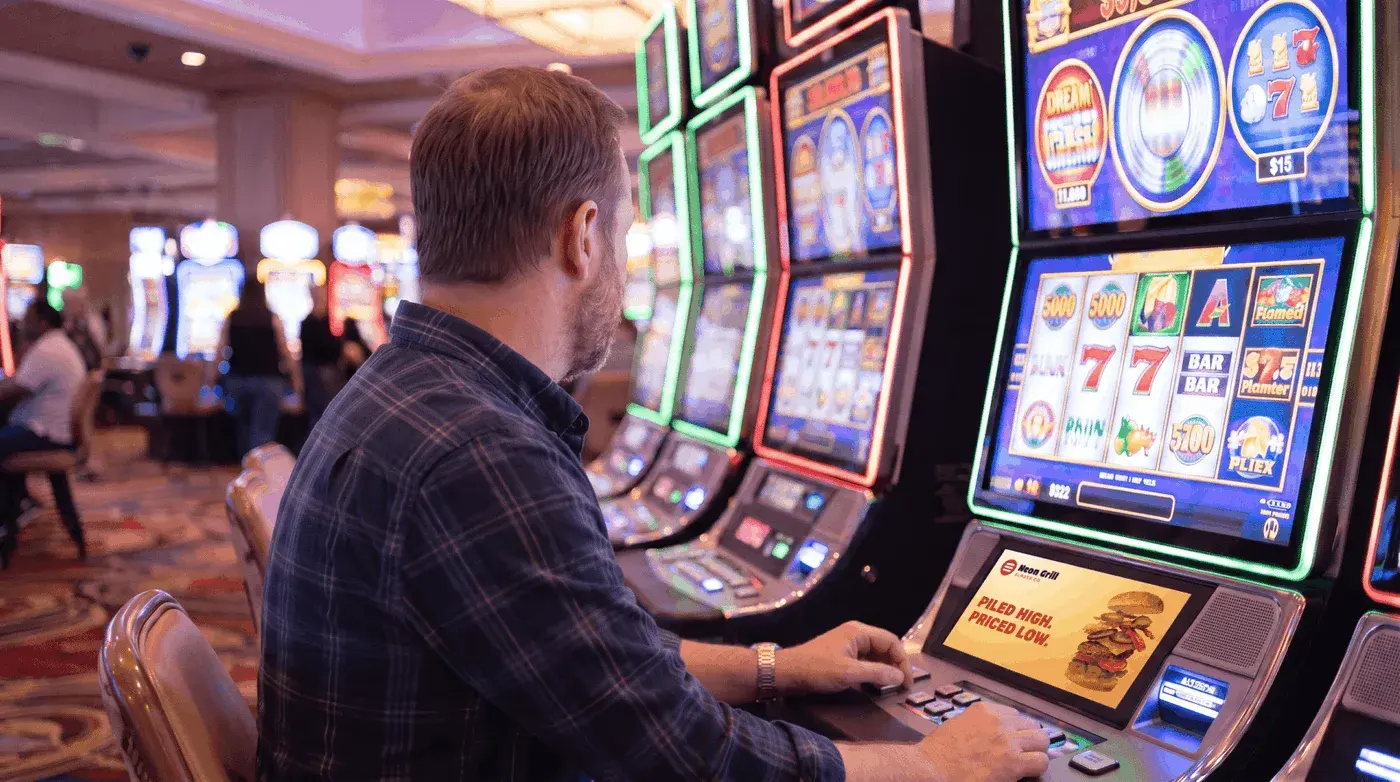
- Format mix still matters. A screen in retail, transit and roadside environments should not be evaluated only because it is programmatically accessible; context and attention remain different.
Planning questions to ask before buying similar media
A comparable campaign should start with five practical questions. First, what job is the placement doing: broad reach, repeated commuter frequency, fame, proximity, launch impact or an experiential moment? Second, which audience movement pattern makes this location relevant? Third, is the creative legible at the actual viewing speed and distance? Fourth, what proof-of-play, posting evidence or audience reporting will be available? Fifth, does the format require special production, approvals, content moderation, brightness limits, engineering or other operational work?
Answering those questions before selecting inventory helps avoid a common OOH mistake: buying an impressive site without defining why that site is strategically useful.
What to watch next
As pDOOH matures, the competitive edge may shift from basic connectivity toward better deal curation, audience activation, creative adaptation and post-campaign measurement.
The broader direction is toward OOH plans that connect media quality with clearer audience logic. Digital screens make timing and creative changes easier, special builds can make campaigns more memorable, and better data can improve planning—but none of those advantages replaces the need to understand the physical place.