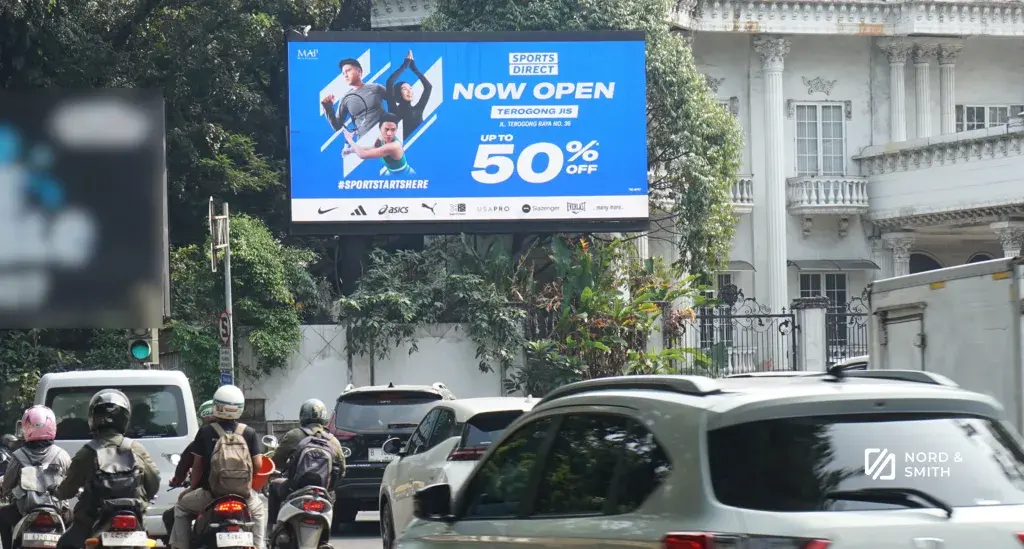
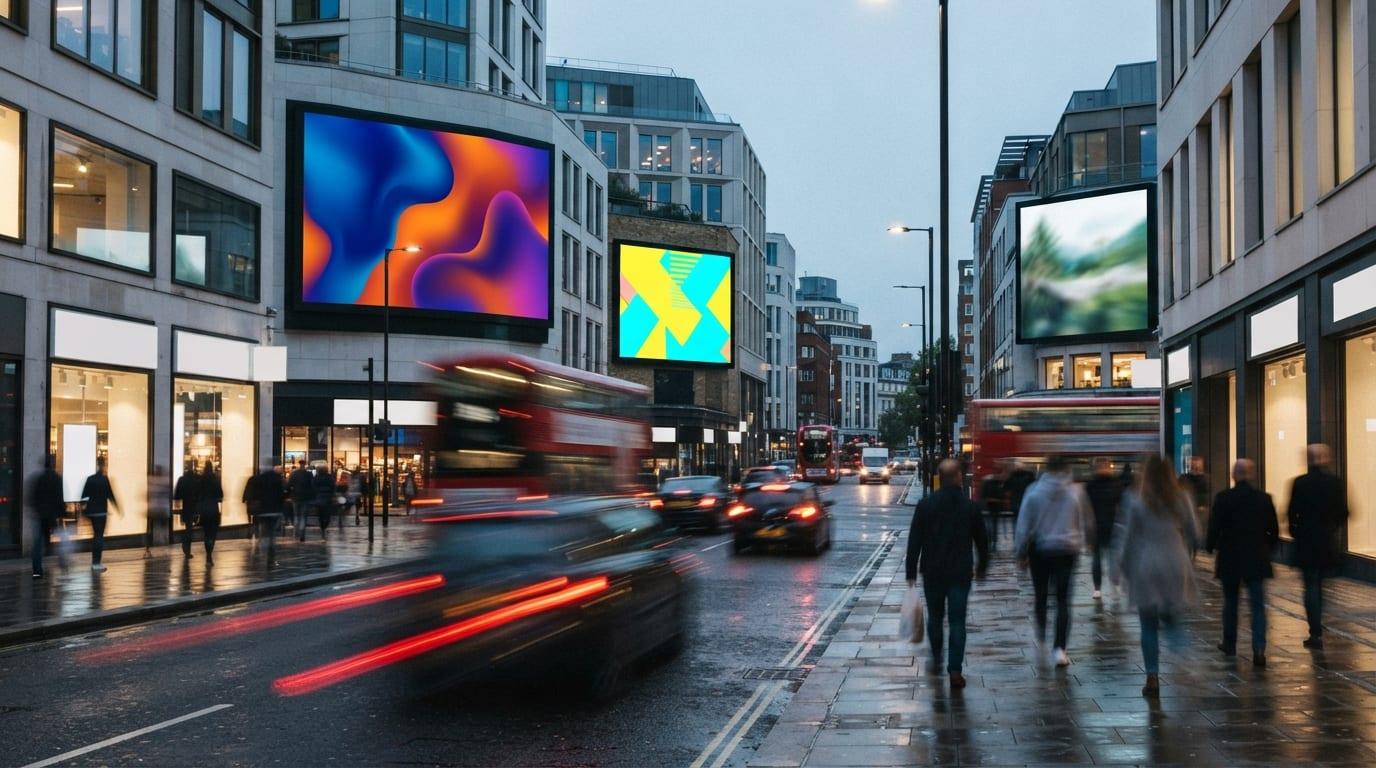

Modern OOH audience systems such as Geopath attempt to move beyond simple traffic counts by estimating exposure using factors tied to location, movement and the likelihood that an advertising face can actually be seen.
A vehicle count is not the same thing as a viewable advertising impression. Direction of travel, board orientation, distance, obstruction, dwell, illumination and occupancy can all change the number of realistic exposures. Digital loops add another layer because the advertiser may own only a fraction of the time. Traffic is an input to audience measurement, not a synonym for impressions. Direction, visibility, occupancy, speed, illumination, obstruction and, for digital screens, share of loop can materially change the number of realistic advertising exposures.
For Billboard Guide, the useful way to read the story is not just as a campaign or company announcement. It is a practical example of how the outdoor medium is changing: where advertisers can appear, how inventory is packaged, what creative earns attention in public space and what evidence a buyer should request before deciding that a placement is worth the premium.
The measurement distinction that matters
Buyers should separate verification, audience estimation and attribution. Verification asks whether the placement ran. Audience measurement estimates who had an opportunity to see it. Attribution asks whether exposed audiences behaved differently afterward. One layer cannot substitute for the others.
Questions to ask a measurement provider
Ask where the underlying data comes from, how often it is refreshed, how exposures are modeled, what minimum campaign scale is required, whether there is a control group, how privacy is handled and how confidence or uncertainty is reported. For digital OOH, confirm how loop share and proof-of-play are incorporated rather than assuming every passer-by saw every ad.
Choosing a KPI before launch
A measurement plan is strongest when the KPI is selected before media goes live. Awareness campaigns may prioritize reach, frequency, attention or brand lift. Retail campaigns may use visitation or sales. App and web campaigns may look at digital actions. Selecting the outcome first prevents post-campaign cherry-picking.