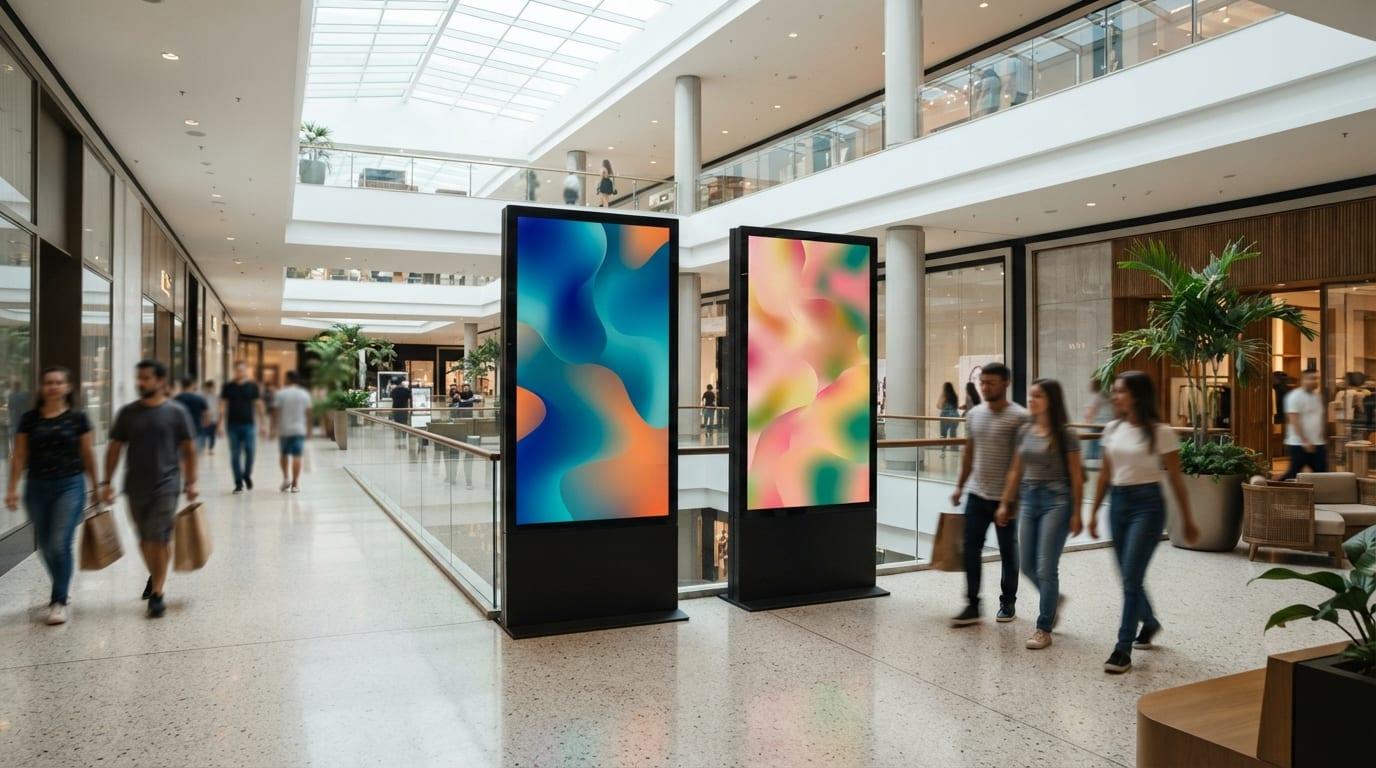
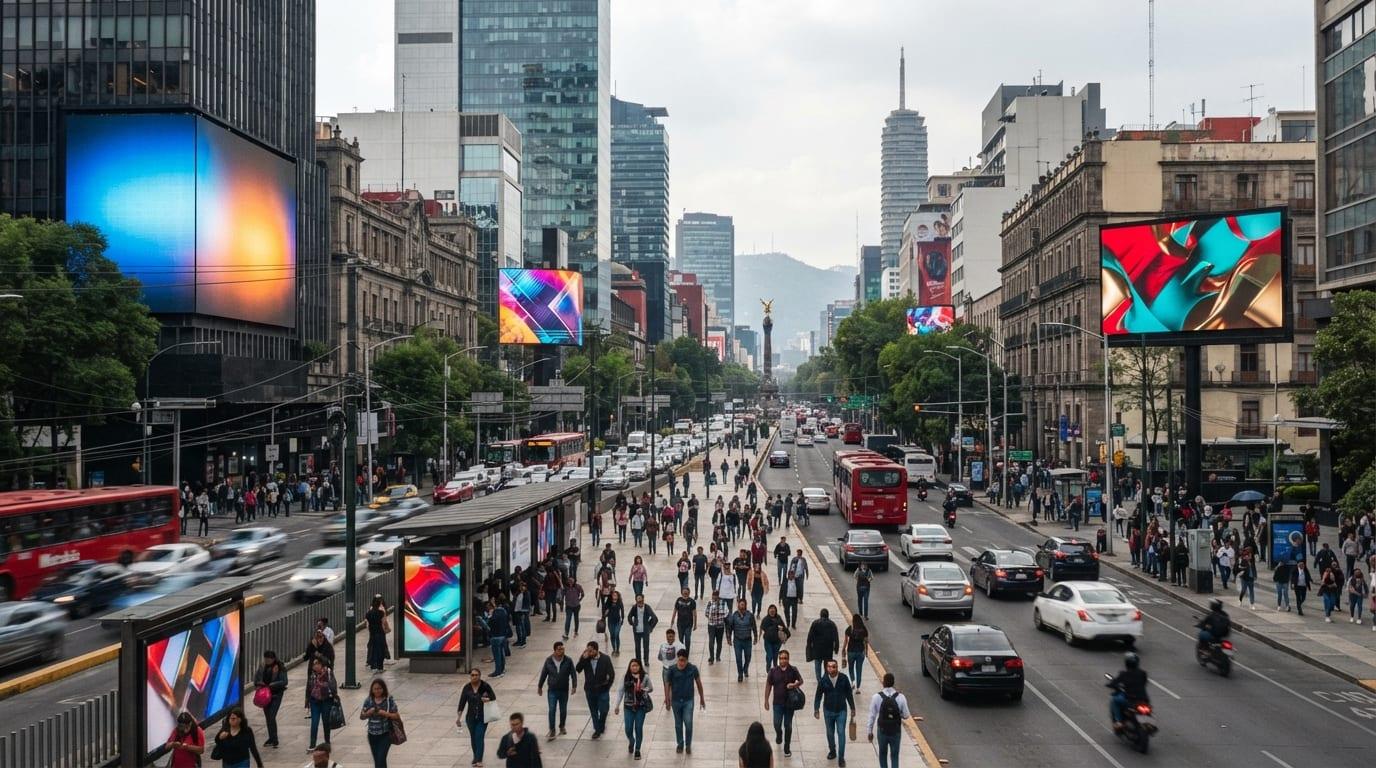

The value of a programmatic partnership is not just the headline that another integration exists. What matters is whether the connected inventory makes a market more actionable for buyers. VIOOH’s Grupo IMU announcement is interesting because it brings together a major urban market and a meaningful amount of digital supply—more than 400 screens, according to the company.
Mexico has long been attractive from an OOH perspective because of its large urban populations, complex mobility patterns and the strength of public-space media in everyday life. Programmatic access can make that market easier to buy at a regional or multinational level, particularly for agencies that need more standardized workflows across countries.
But scale should never be evaluated in isolation. Buyers still need to understand where the screens are, who moves through them, what proof-of-play systems exist and how the environments differ. Programmatic access is most valuable when it makes contextual judgment easier, not when it turns inventory into an anonymous spreadsheet.
For Billboard Guide readers, the partnership is a reminder that pDOOH growth is now as much about geographic depth as about technological novelty. The question is increasingly not whether a market supports programmatic, but whether enough quality supply is connected to make that support commercially meaningful.
For brands active in Latin America, this is another sign that cross-market programmatic planning is becoming more realistic—provided buyers still respect local context.
What this means for advertisers
The practical value of this story is not just the headline. It gives advertisers a clearer view of how OOH inventory is being packaged, how audience context affects value, and how creative and timing can materially change the effectiveness of a campaign. For Billboard Guide readers, the useful habit is to read each story as planning intelligence: what does it suggest about inventory quality, commercial timing, audience behavior or creative standards?