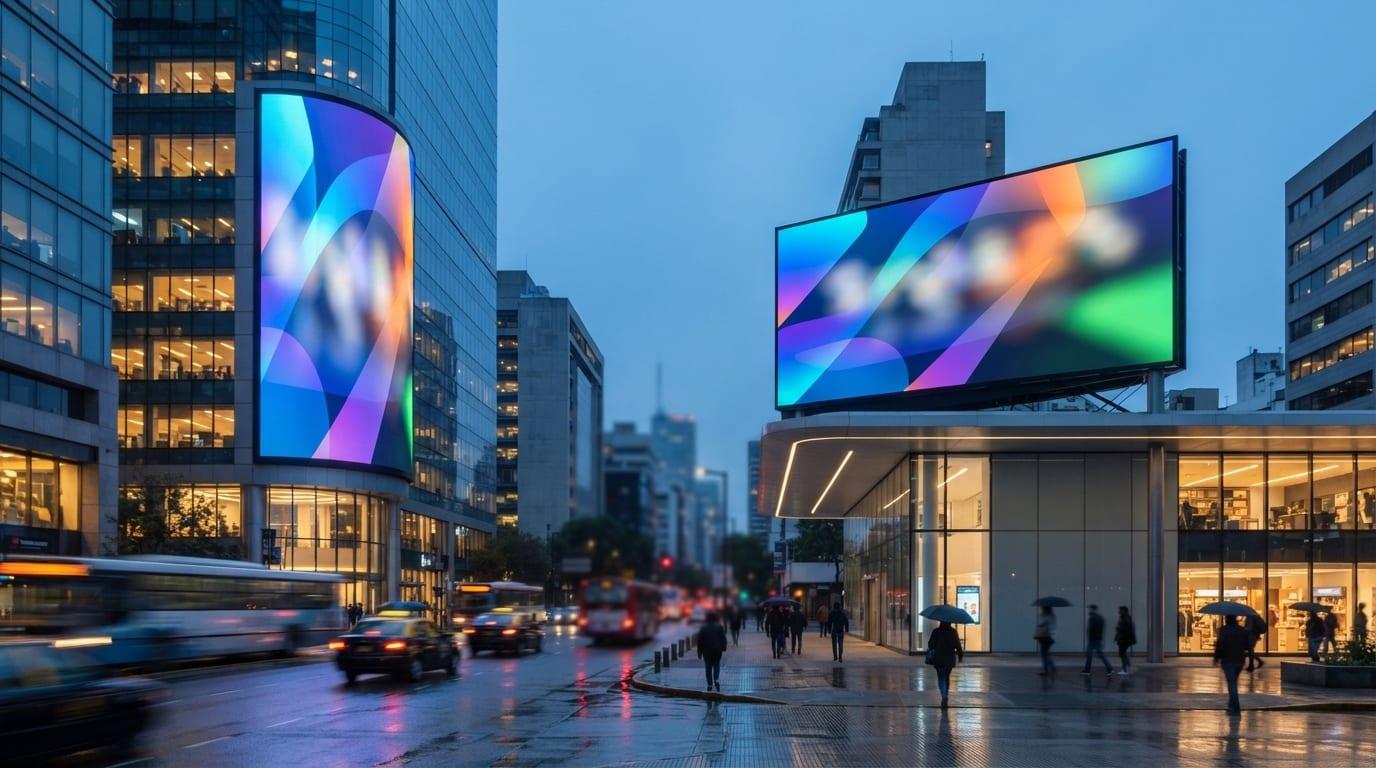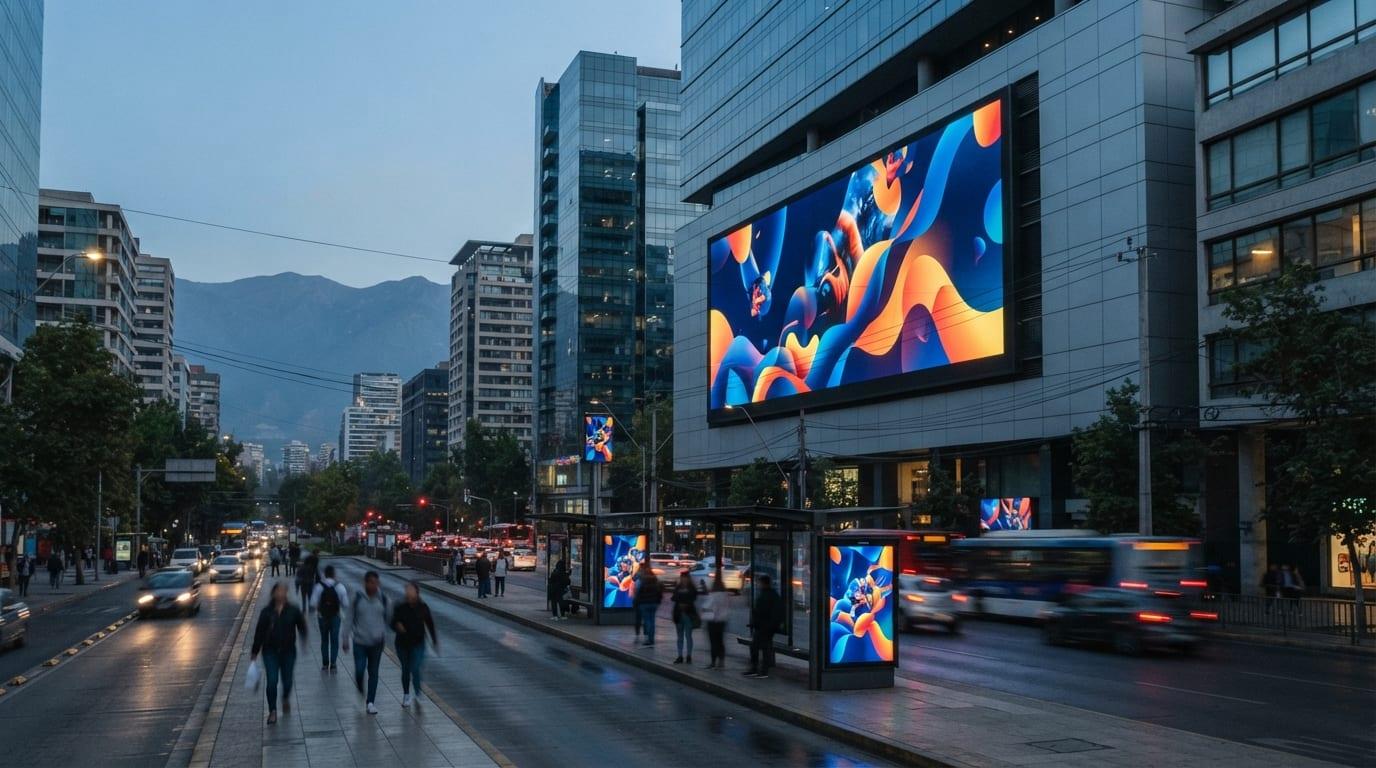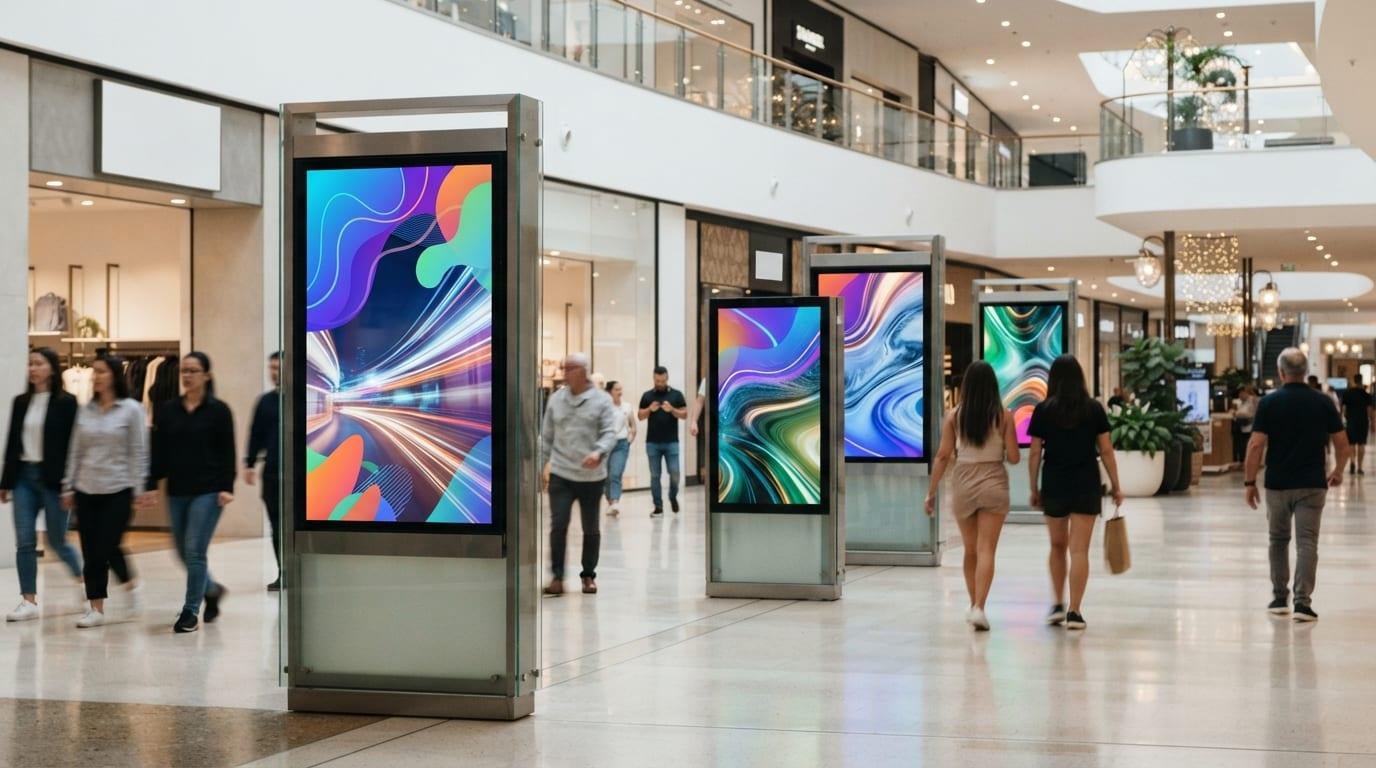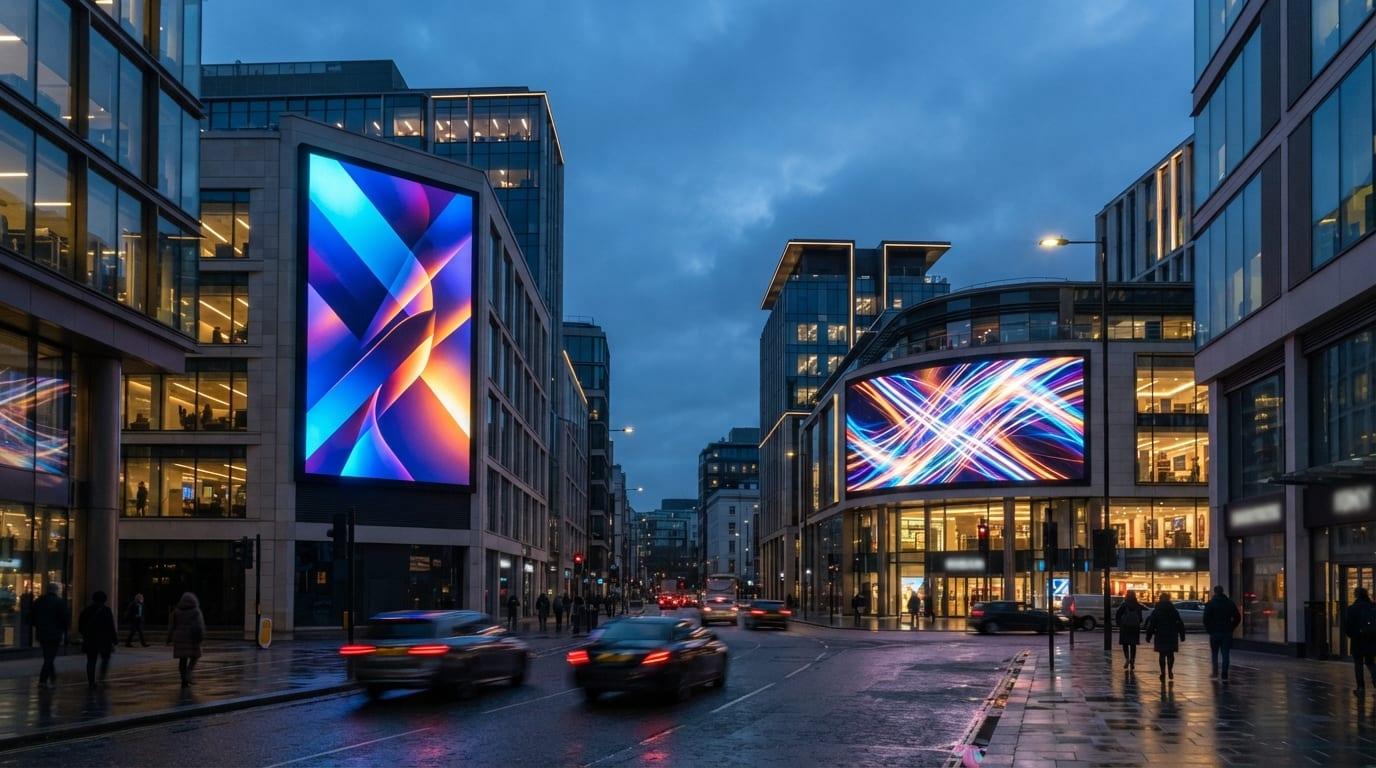
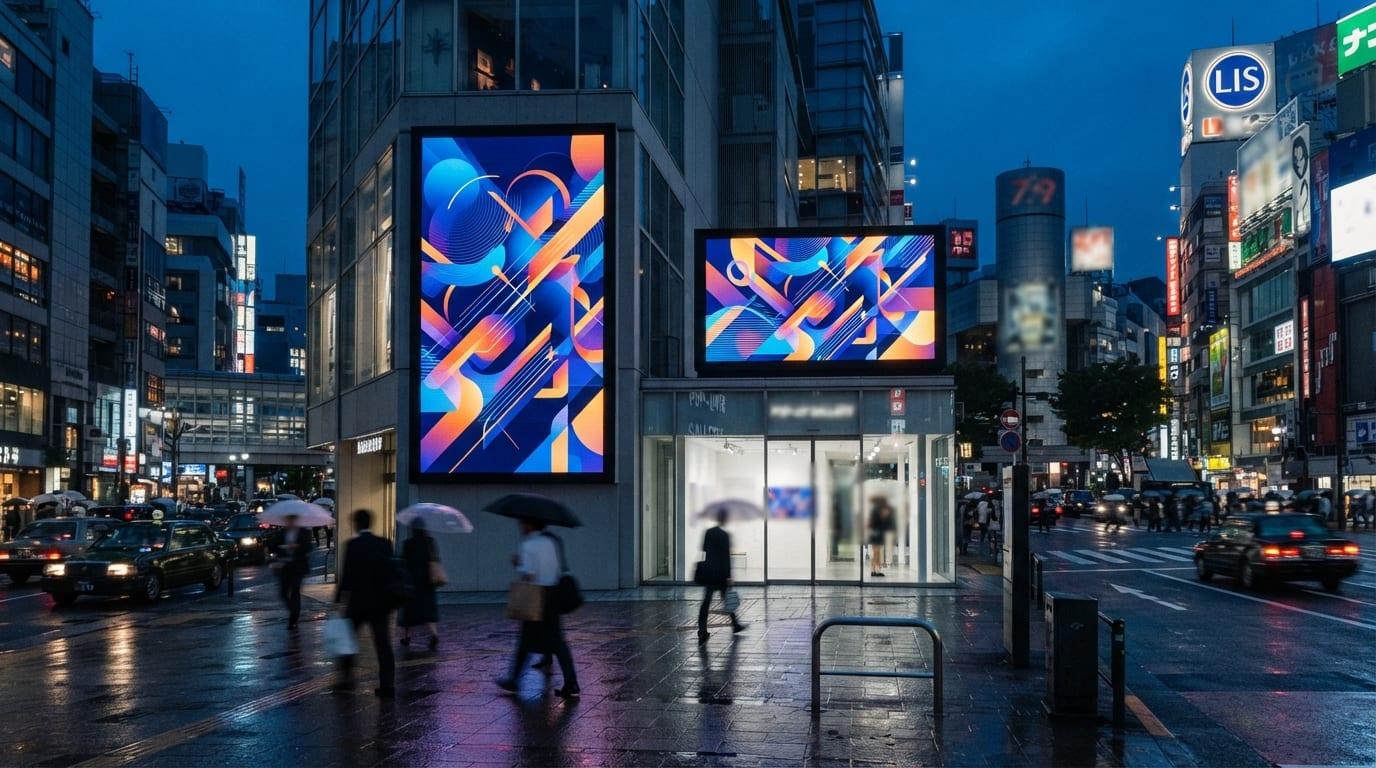

LIVE BOARD’s SHIBUYA POPUP BOARD has been available on a limited basis from June 9 through August 3 near Tokyo’s Scramble Crossing. The operator has promoted eye-level visibility, NTT DOCOMO mobility-data measurement and programmatic activation.
Shibuya is famous for huge digital façades, so an eye-level product offers a different proposition: closer proximity and a more pedestrian-scale encounter in one of the world’s most photographed advertising districts. The eye-level positioning is the interesting contrast in Shibuya. In a district famous for giant façades, proximity and pedestrian dwell can create a different kind of premium than sheer physical scale.
For Billboard Guide, the useful way to read the story is not just as a campaign or company announcement. It is a practical example of how the outdoor medium is changing: where advertisers can appear, how inventory is packaged, what creative earns attention in public space and what evidence a buyer should request before deciding that a placement is worth the premium.
Why a new screen is more than its dimensions
OOH inventory should be evaluated as a viewing environment. Size is only one variable. Approach direction, angle, distance, traffic speed, dwell, illumination, surrounding visual clutter, screen brightness and the number of advertisers in the loop can all affect real-world impact.
What to request from the media owner
Ask for exact coordinates, photographs from the audience approach, screen dimensions and resolution, orientation, operating hours, loop length, slot length, estimated impressions, audience methodology, content restrictions and proof-of-play reporting. A map pin and a hero photograph are not enough for serious evaluation.