
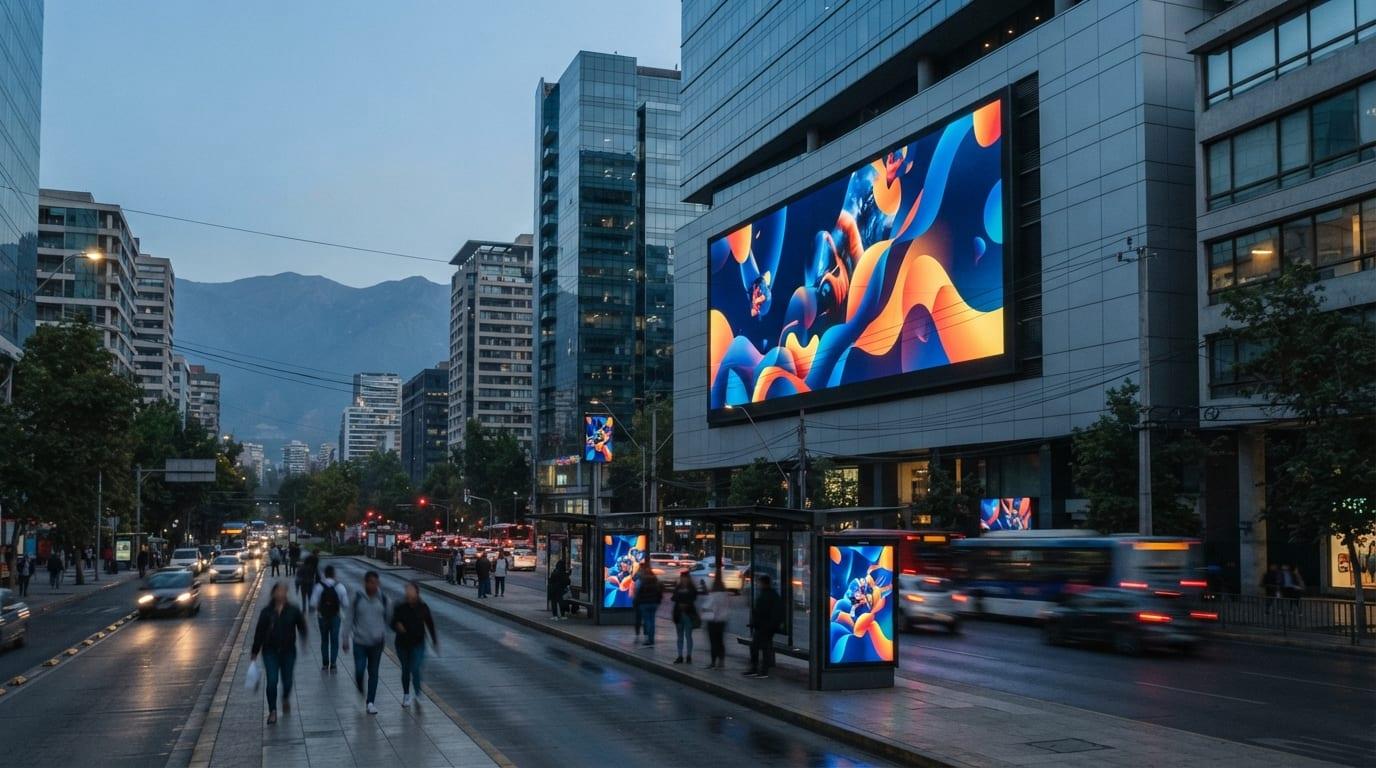

Regional programmatic OOH only becomes truly useful when there is enough premium supply connected across multiple countries to make planning efficient. That is why the JCDecaux/VIOOH announcement is important. According to VIOOH, 100% of JCDecaux’s DOOH inventory is now connected to programmatic across nine Latin American markets.
For multinational advertisers, this kind of development reduces one of the historic barriers to regional OOH activity: operational fragmentation. Instead of treating each market as a separate manual workflow, agencies can start to think more coherently about planning logic, audience strategy and activation timing across countries.
But as with all pDOOH stories, the operational convenience should not obscure the qualitative question. Not every market, format or city plays the same role. The regional canvas is bigger, but smart buyers still need to know when a market is being used for broad awareness, city-level prestige or more targeted local relevance.
This also strengthens the argument that pDOOH is now a mature planning consideration for international advertisers. It is no longer enough to ask whether a partner can technically transact DOOH. The more important question is whether the connected regional supply is strategically meaningful and commercially usable.
For Billboard Guide readers working across multiple countries, this is exactly the kind of supply-side shift that can change what is realistic to plan.
What this means for advertisers
The practical value of this story is not just the headline. It gives advertisers a clearer view of how OOH inventory is being packaged, how audience context affects value, and how creative and timing can materially change the effectiveness of a campaign. For Billboard Guide readers, the useful habit is to read each story as planning intelligence: what does it suggest about inventory quality, commercial timing, audience behavior or creative standards?
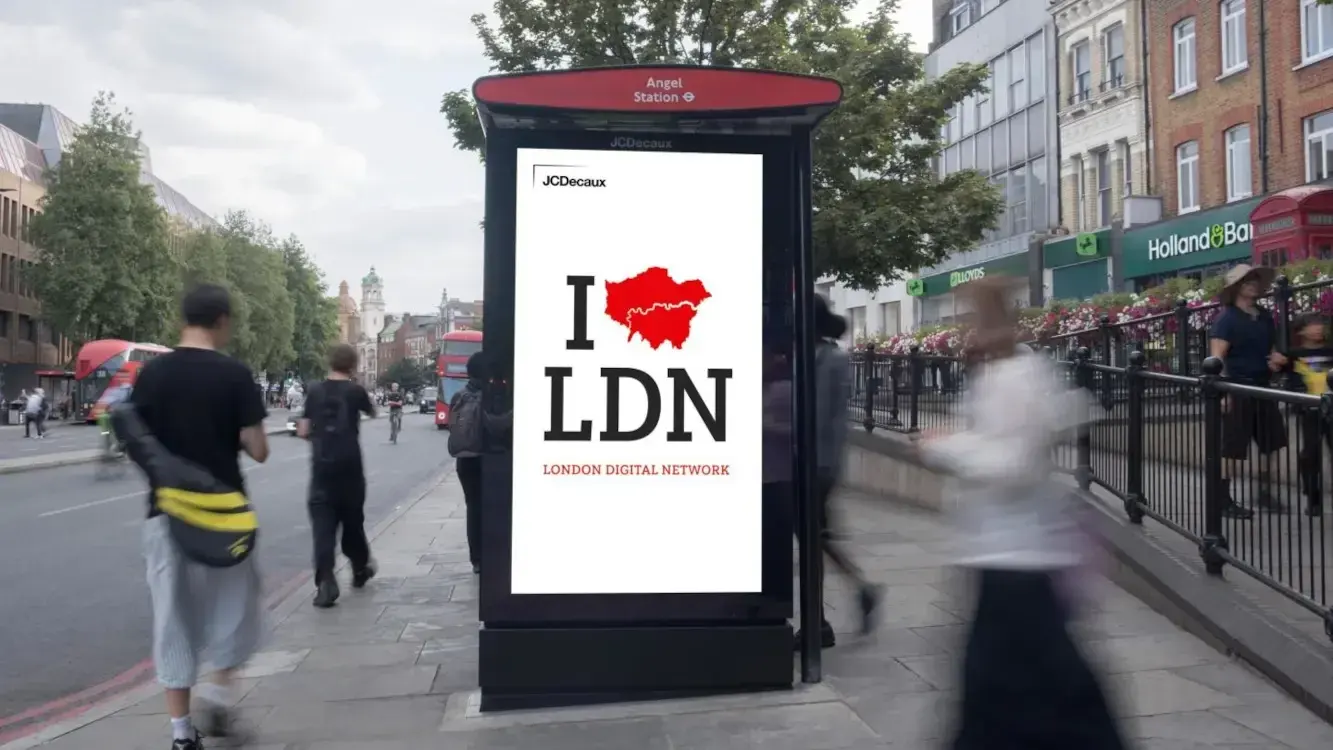
 London