
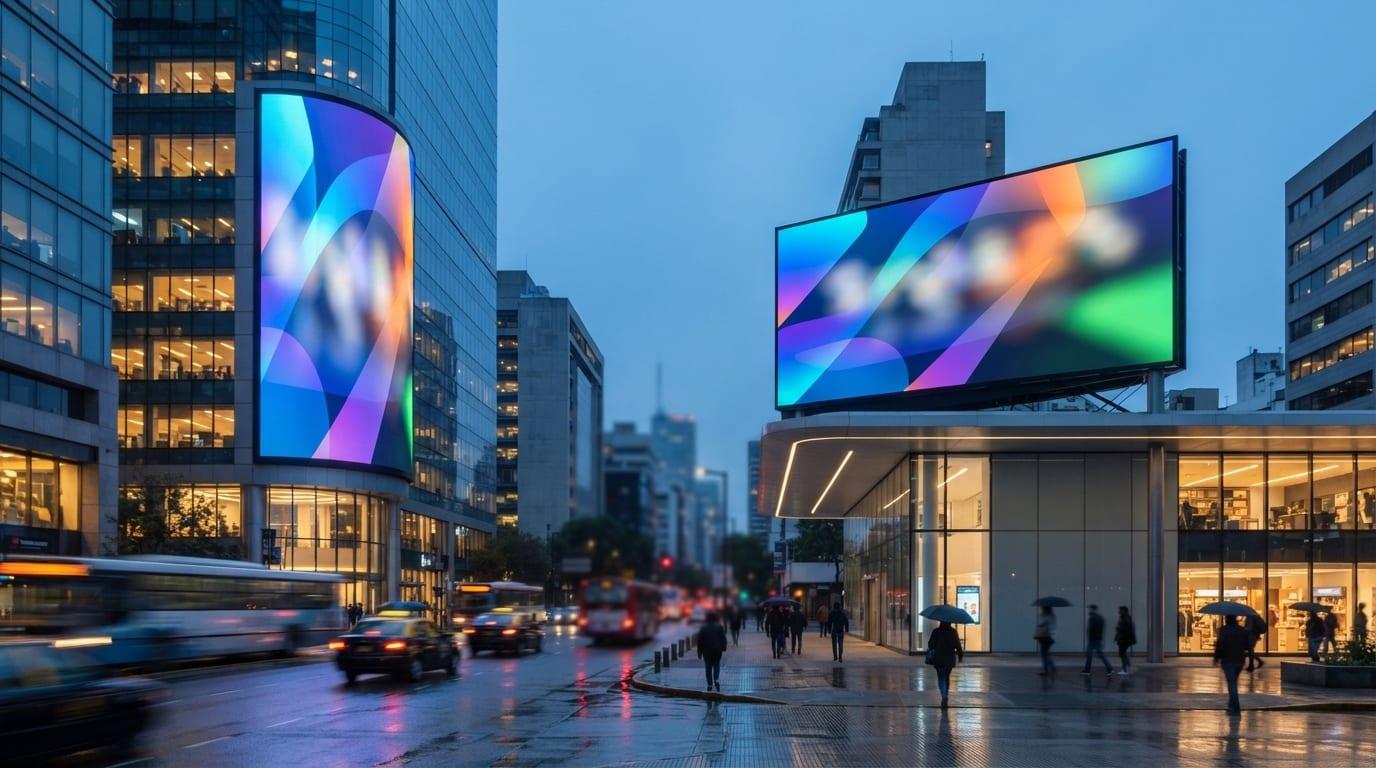

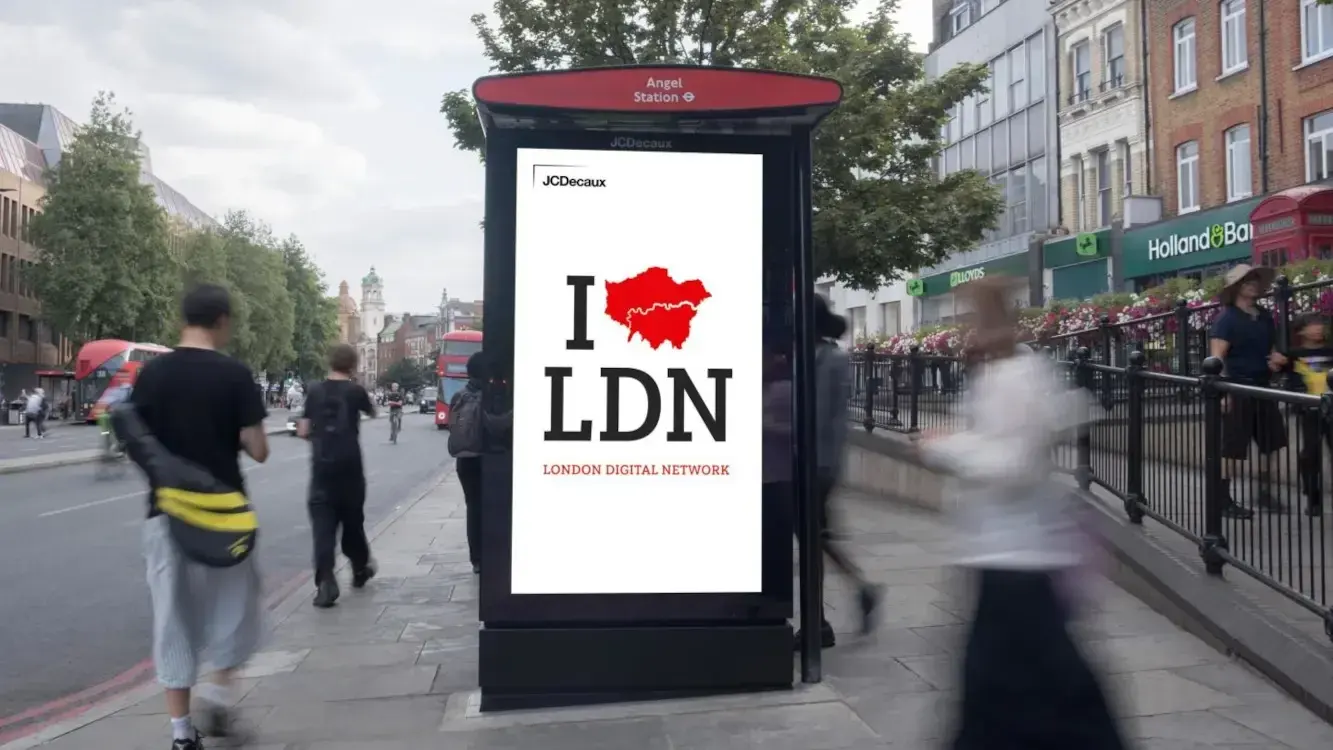
JCDecaux announced programmatic access to 100% of its DOOH inventory in Panama, Costa Rica, Guatemala, El Salvador, Honduras, Nicaragua, the Dominican Republic, Ecuador and Paraguay through VIOOH.
The expansion is significant because programmatic OOH growth is increasingly about market depth, not just adding another global DSP logo. Making a meaningful share of a local operator’s digital estate addressable gives buyers a practical reason to include those countries in automated regional plans. Opening an entire digital estate to programmatic access is more meaningful than connecting a token subset. For regional planners, the question is whether enough high-quality local supply exists to build a campaign without dropping back into separate manual deals.
For Billboard Guide, the useful way to read the story is not just as a campaign or company announcement. It is a practical example of how the outdoor medium is changing: where advertisers can appear, how inventory is packaged, what creative earns attention in public space and what evidence a buyer should request before deciding that a placement is worth the premium.
What programmatic changes — and what it does not
Programmatic DOOH can automate access, scheduling, bidding, targeting and reporting, but it does not remove the physical differences between screens. Two impressions bought through the same DSP can represent very different viewing environments, dwell times and creative opportunities.
What buyers should check before activating
Ask which screens and media owners are actually available, whether inventory is open auction, private marketplace or programmatic guaranteed, how impression multipliers are calculated, what proof-of-play is returned, which audience data is used and whether the campaign can be reconciled against the media owner's logs. For cross-border campaigns, also check currency, tax, content restrictions and measurement coverage by market.
Creative and pacing considerations
A programmatic workflow makes it easier to change when and where an ad appears, so creative should take advantage of that flexibility. Daypart, weather, venue type, event timing or geographic data can justify different messages. Pacing also matters: a campaign that spends too quickly may technically deliver its impressions while missing the moments the strategy was designed around.
 London