- What makes a billboard location iconic?
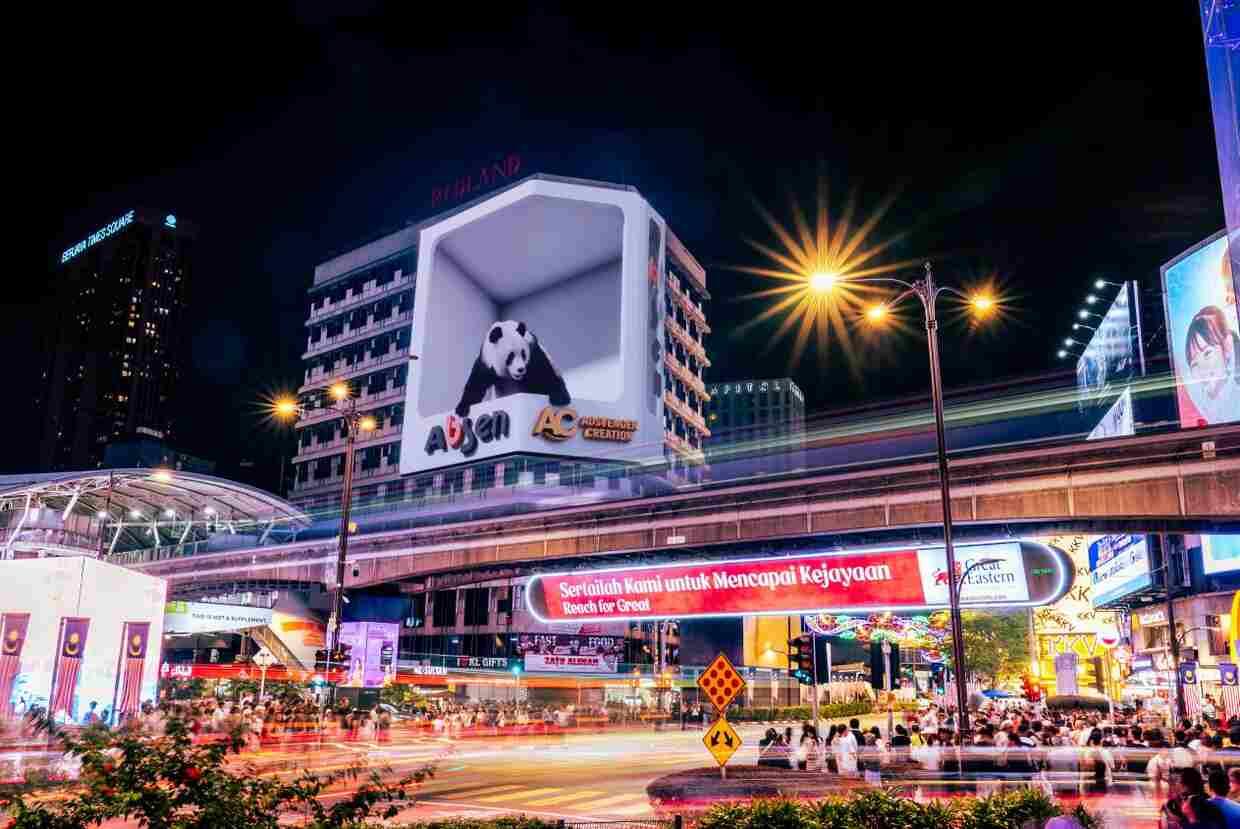
- A site is treated as iconic here when it is bought by name. Advertisers ask for Times Square, Piccadilly Lights or Shibuya Crossing specifically, rather than asking for digital inventory in that city, because the location itself carries meaning that the impressions alone do not. In practice that means the site has a recognisable identity, published audience figures, and a buying route distinct from the general market inventory around it.
- Can you buy a single billboard at these locations?
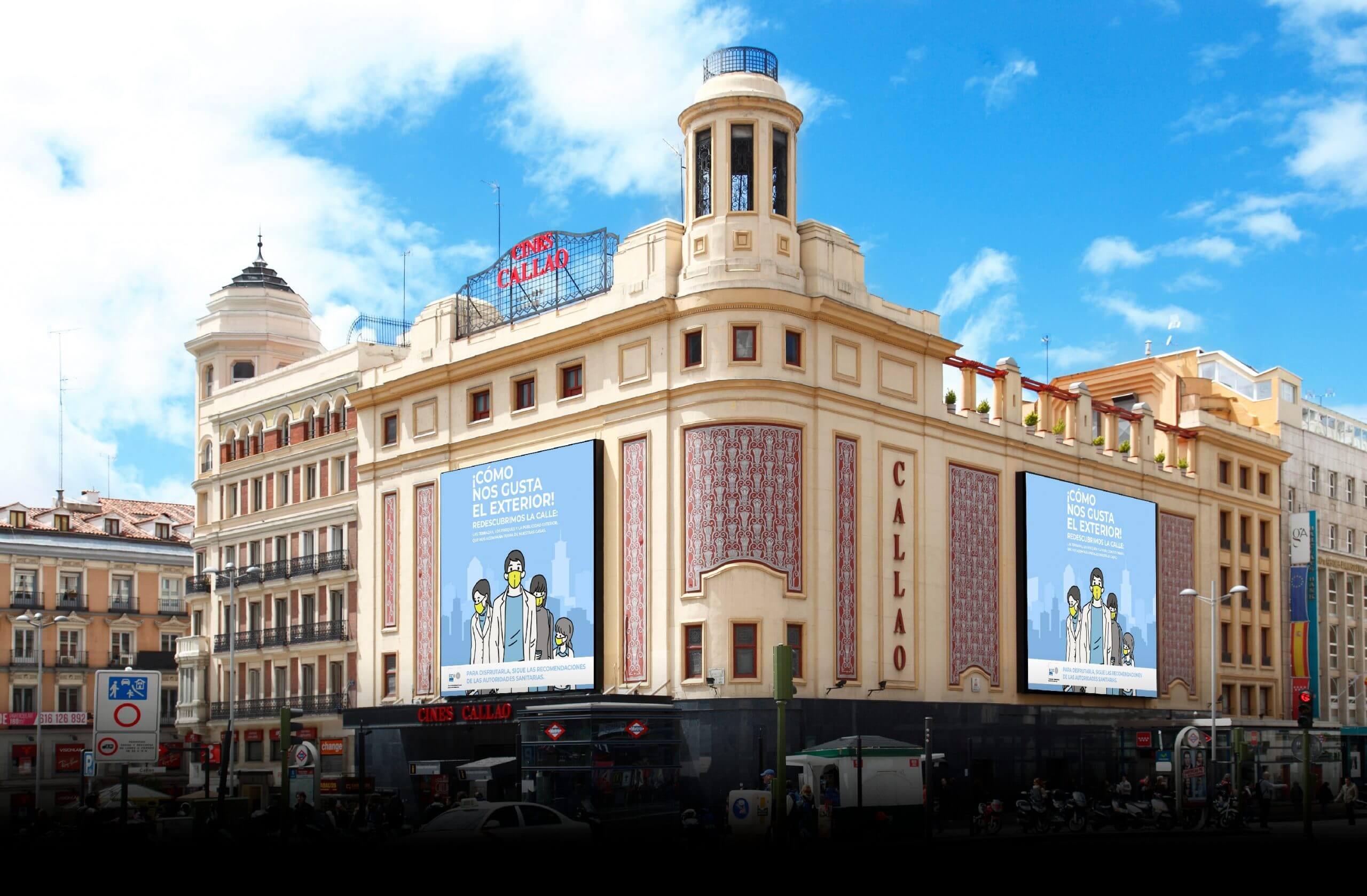
- Sometimes. Landmark screens with one owner - a single named façade or tower screen - can usually be bought on their own. Multi-owner districts often cannot: the recognisable view is made of screens belonging to competing sellers, so buying the district means buying from several of them, and buying one screen means accepting that the photograph everyone recognises includes inventory you did not book. Each guide states which case applies.
- How much does it cost to advertise on a landmark billboard?
- There is no single rate. Cost at these sites is driven by the share of the loop you hold, the length of the flight, the season, whether the creative is standard or a bespoke 3D build, and whether the site is sold direct or programmatically. Billboard Guide does not quote other operators' inventory; each guide explains the pricing structure and names the seller who can confirm a current rate.
- How far in advance do landmark sites need to be booked?
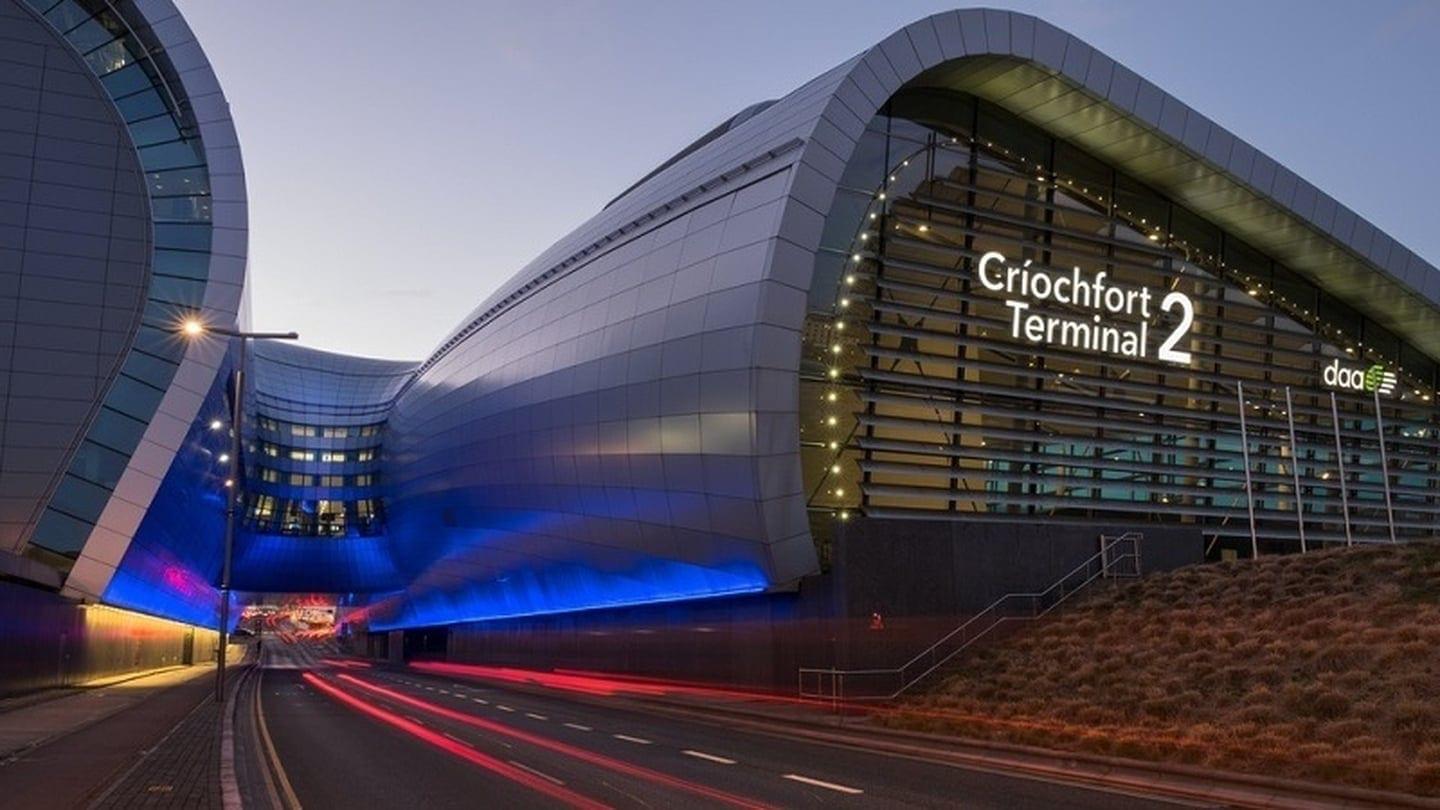
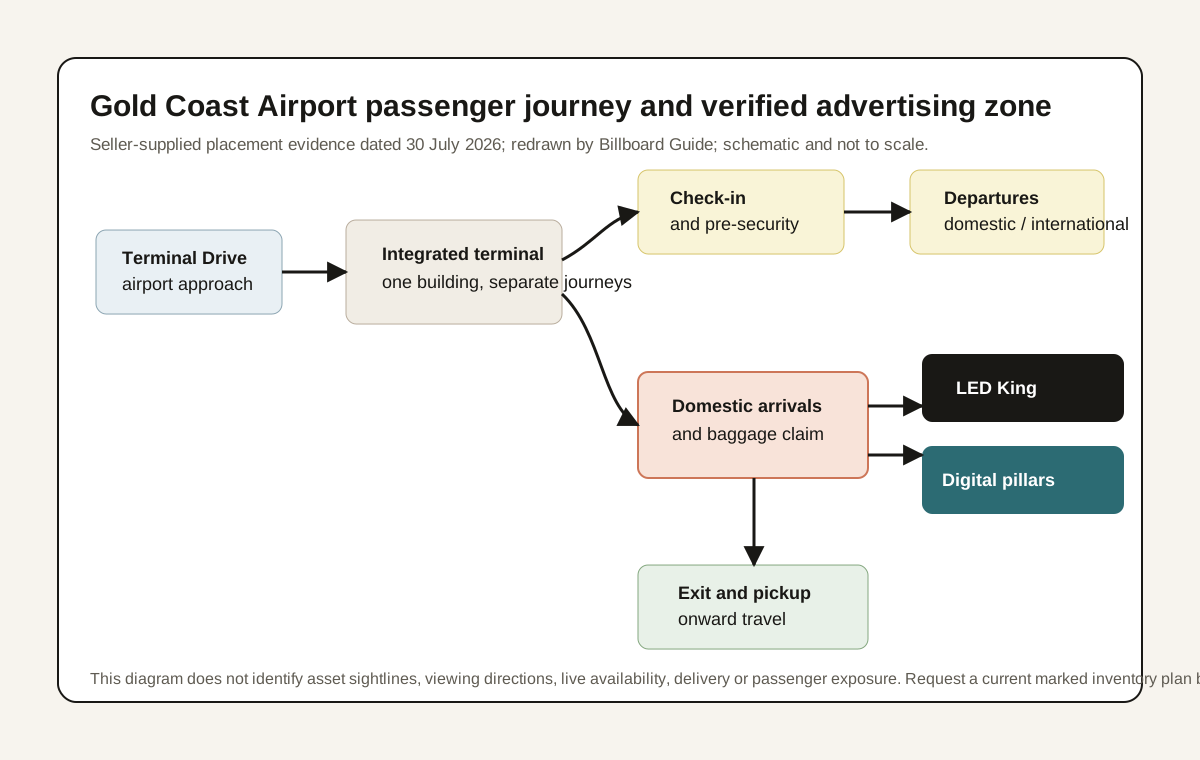
- Longer than most buyers expect. Premium digital sites in peak periods are frequently committed months ahead, and airport media adds an operator approval stage on top of the booking itself. Bespoke or anamorphic 3D creative adds production and testing time again. Where a guide has a published lead time from the seller it is stated in that guide; where it does not, the guide says so rather than estimating.
- What is the difference between a landmark screen and a multi-owner district?
- A landmark screen is one asset with one owner, one specification and one approval chain. A multi-owner district is a place - a crossing, a strip, a retail street - where the visual effect comes from many screens under separate ownership. The distinction changes the whole buy: a landmark screen is a booking, a district is a media plan.
- Does Billboard Guide sell advertising space at these locations?
- No. These are editorial guides. Where an operator publishes its own media sales contact, the guide links to it directly so the enquiry goes to the seller. Where no public route exists, a brief sent through Billboard Guide is routed to a planning partner who can confirm availability and pricing - the confirmation always comes from whoever owns the inventory.
- How current are the location guides?
- Each guide carries its own verification date and cites the sources behind its figures, so a screen specification or passenger count can be traced to where it was published. Inventory at these sites changes - screens are rebuilt, sellers change, circuits are re-packaged - so the verification date matters more than the publication date.