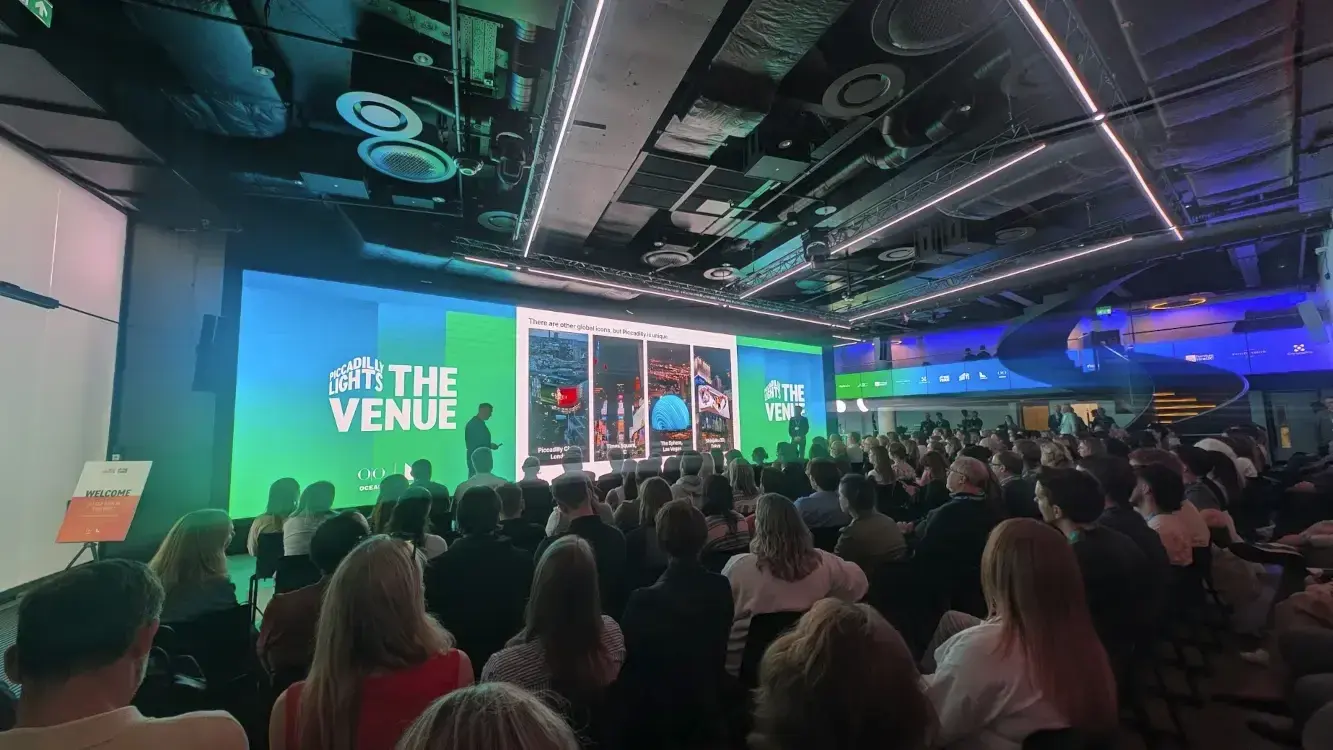
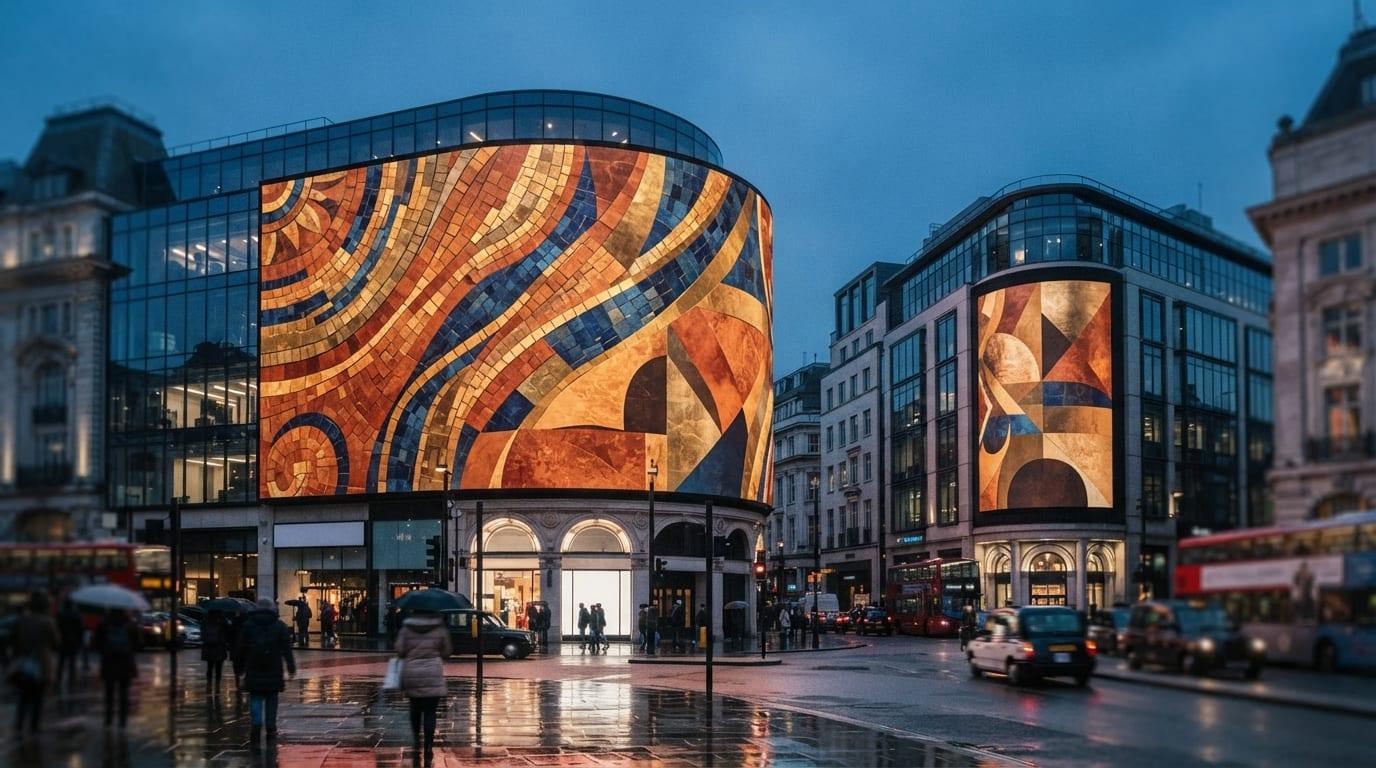

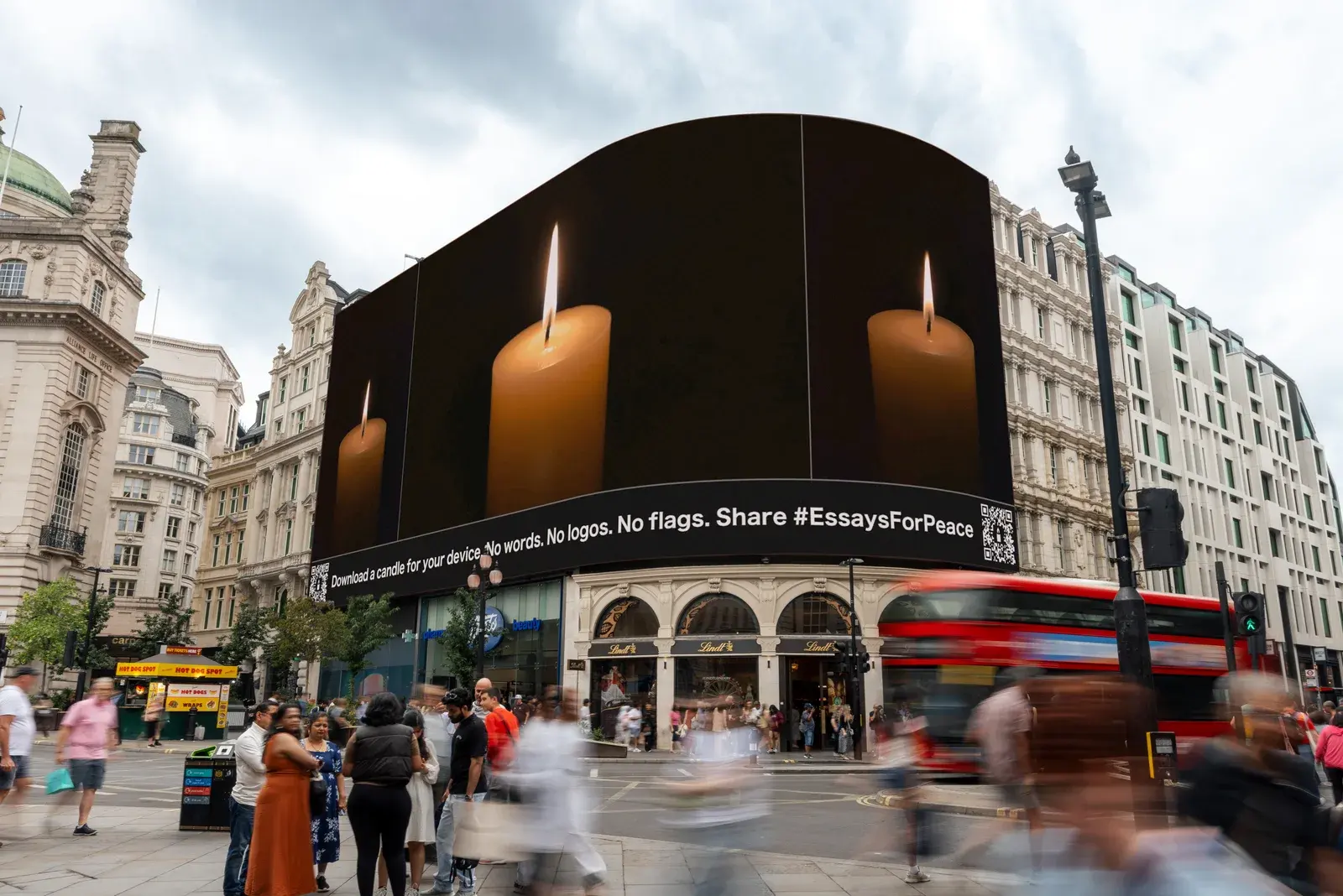
Ocean Outdoor highlighted a Piccadilly Lights activation that visually took participating brand advertising back to 211 AD, using one of the world’s best-known digital landmarks as part of the creative device rather than treating it as a neutral screen.
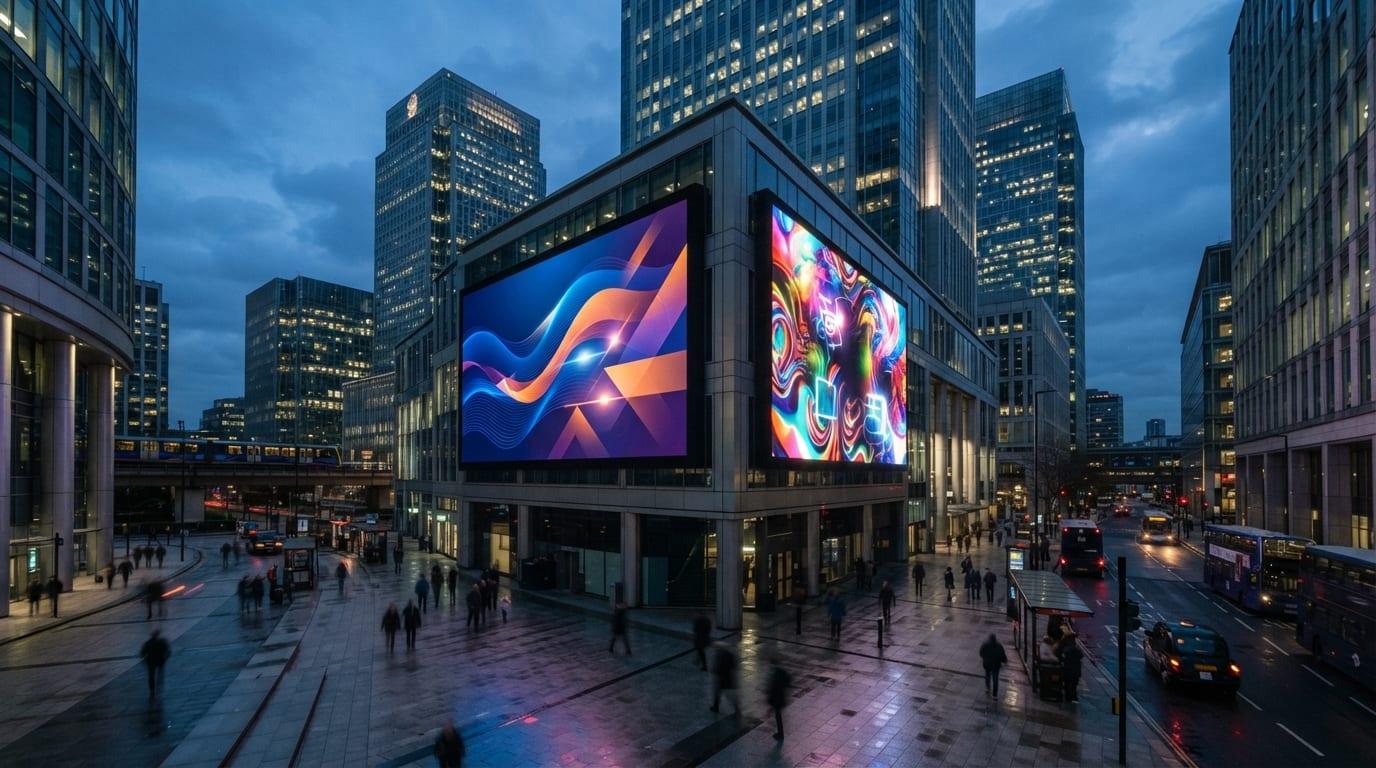
Landmark DOOH works differently from ordinary digital inventory. The location already has cultural meaning and social-media value, so campaigns can design around the architecture, history and recognisability of the site itself. Piccadilly Lights already behaves like a landmark and tourist attraction, so a creative idea that references history can borrow meaning from the site itself. The placement becomes part stage, part medium and part social-content backdrop.
For Billboard Guide, the useful way to read the story is not just as a campaign or company announcement. It is a practical example of how the outdoor medium is changing: where advertisers can appear, how inventory is packaged, what creative earns attention in public space and what evidence a buyer should request before deciding that a placement is worth the premium.
Why the creative belongs in outdoor
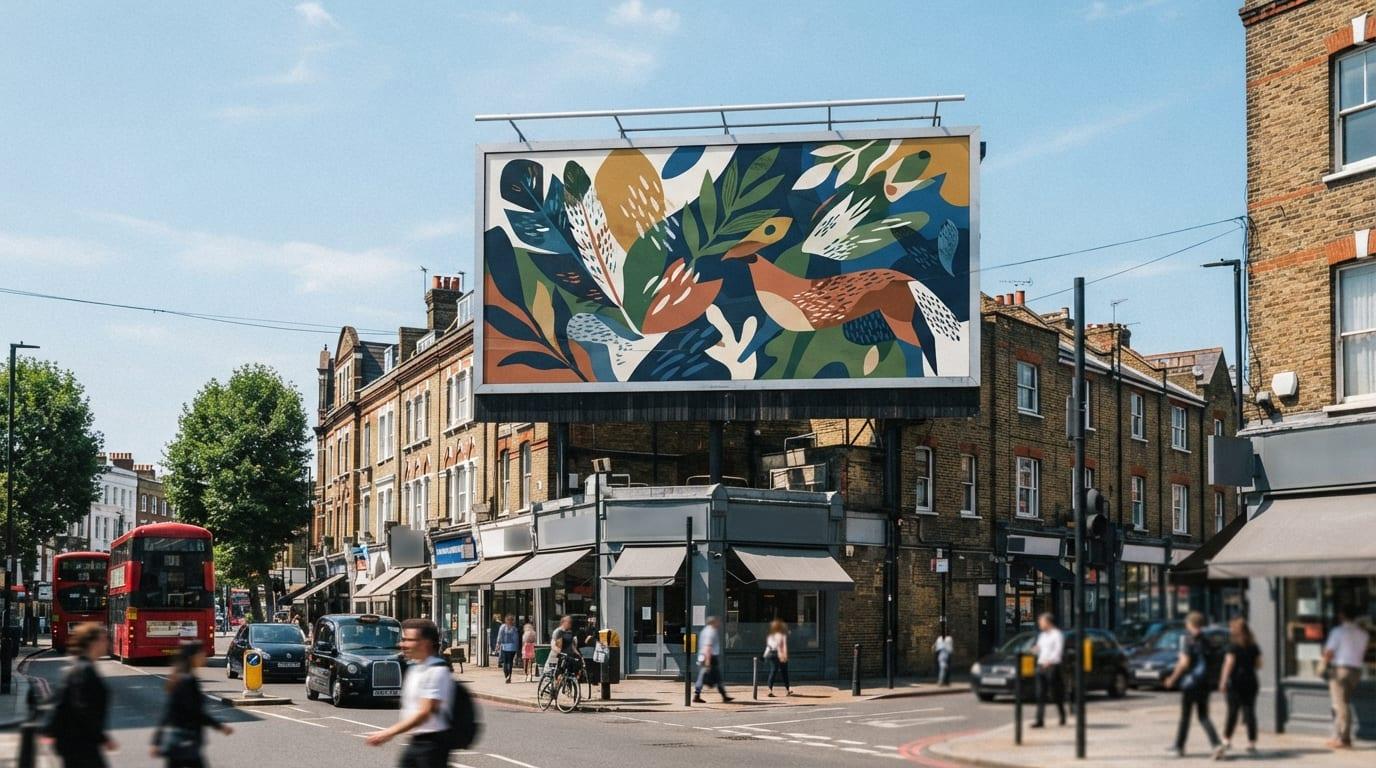
Outdoor is unforgiving of unnecessary detail because many exposures happen while people are moving. The strongest campaigns use scale, location, physical construction or a single visual idea to reduce the amount of decoding required. In this case, the medium is doing more than carrying a resized ad: the public setting contributes to the meaning.
What advertisers should examine
A campaign that looks impressive in a case-study photograph can still be inefficient if the media plan is weak. Buyers should look at the specific sites used, expected viewing distance, pedestrian or vehicle dwell, share of time on digital screens, campaign duration and whether the creative was adapted for each format. If a stunt or special build is central to the idea, production permissions, installation time, weather exposure and maintenance also become part of the media decision.
How to measure it
The right KPI depends on the job the campaign is doing. A high-impact brand idea may be judged with reach, frequency, brand lift, attention or search response; a retail activation may justify visitation or sales analysis; a social-friendly special build can also generate earned-media value. The mistake is to force a single direct-response metric onto every OOH execution simply because it is easy to count.
 London