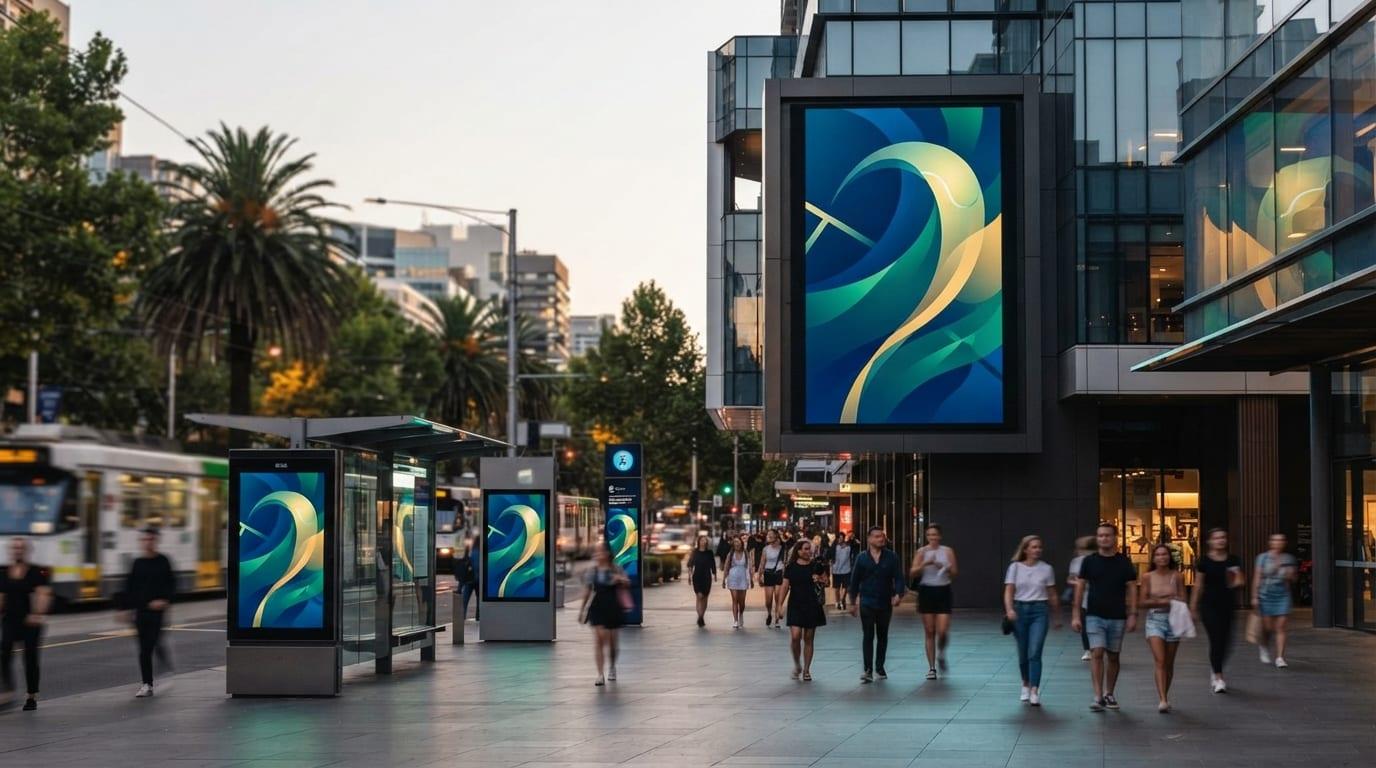
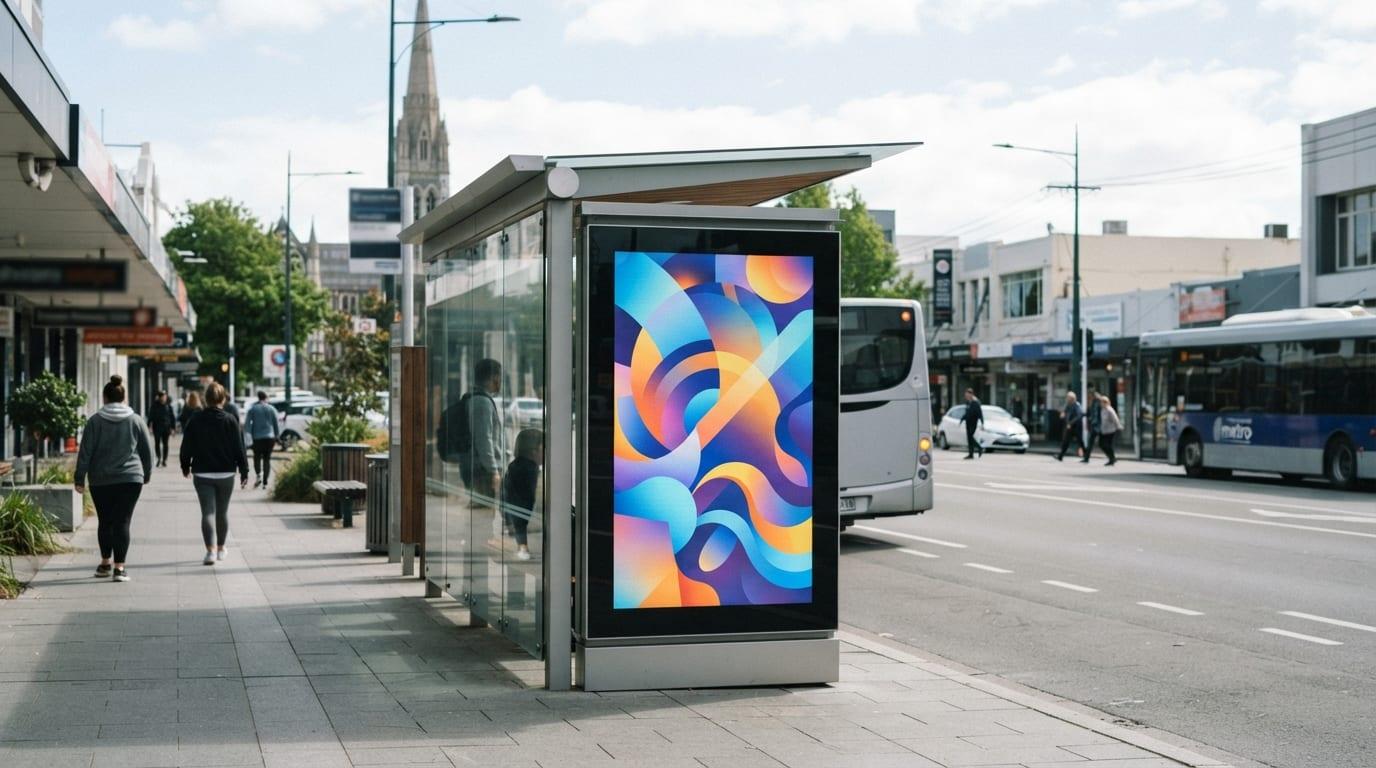

The shift to digital in out-of-home is often discussed through big roadside screens, but street furniture remains one of the most commercially important categories in the market. oOh!media’s Christchurch announcement is a useful reminder why. The company says the rollout is underway, with four LED sites already live and more than 70 digital bus shelters set to be in place by the end of 2026.
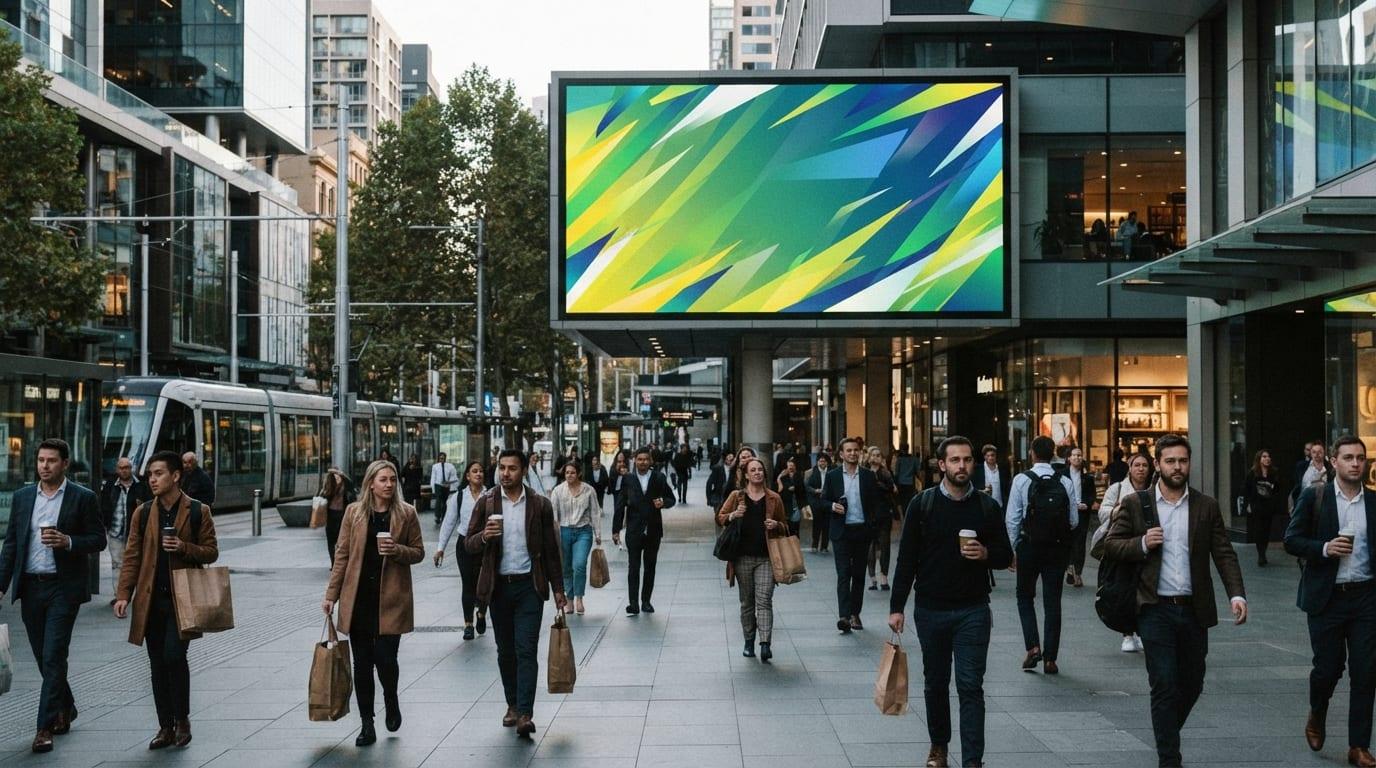
Bus shelters offer a different advertising proposition from classic roadside billboards. They sit closer to people, often in environments where pedestrians pause, wait or move more slowly. That means the medium can support repeated daily exposure and sometimes more detailed or sequential storytelling than high-speed roadside formats.
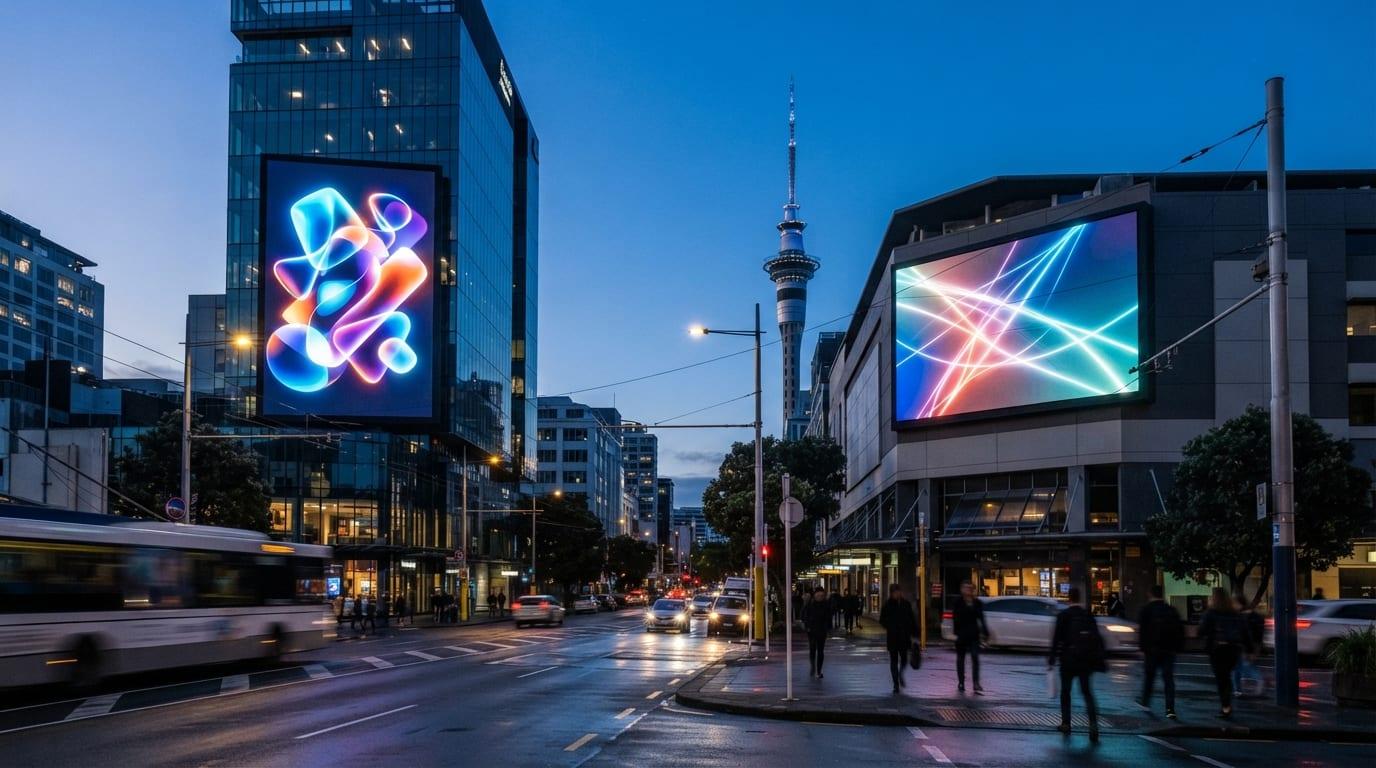
For advertisers, Christchurch is interesting not just because it is adding digital inventory, but because the format broadens the planning mix. A city can use large-format digital screens for reach and dominance, then use street furniture for repetition, proximity and neighborhood relevance. That is especially attractive for retail, entertainment, events, telecoms and local services.
The announcement also matters because LED shelter rollouts tend to improve operational flexibility. Campaigns can be updated faster, dayparted, rotated and scheduled across a connected network. That makes shelter inventory more compatible with modern creative workflows and more useful for short lead-time activity.
The wider lesson is that digitisation is not just about spectacle. It is equally about making everyday public media more flexible, more measurable and easier to integrate into broader planning frameworks.
What this means for advertisers
The practical value of this story is not just the headline. It gives advertisers a clearer view of how OOH inventory is being packaged, how audience context affects value, and how creative and timing can materially change the effectiveness of a campaign. For Billboard Guide readers, the useful habit is to read each story as planning intelligence: what does it suggest about inventory quality, commercial timing, audience behavior or creative standards?