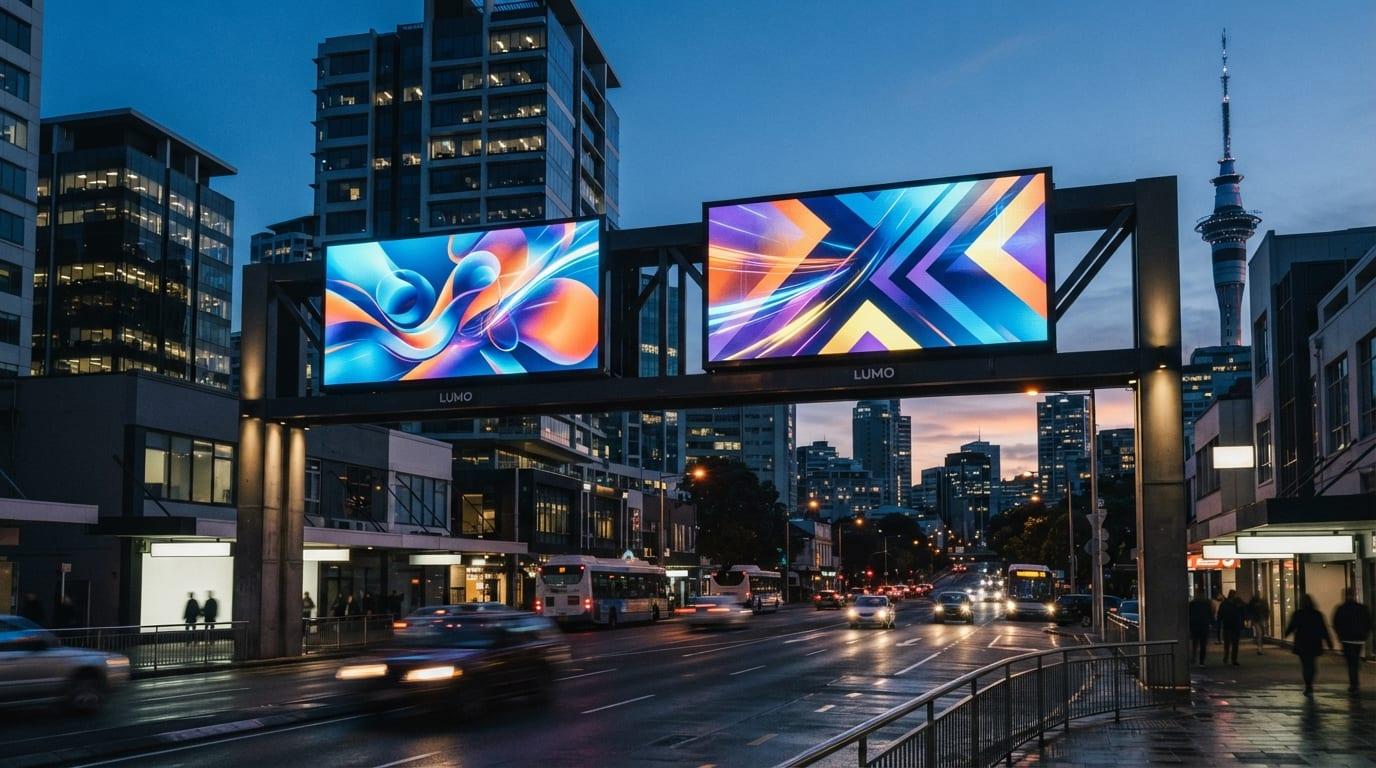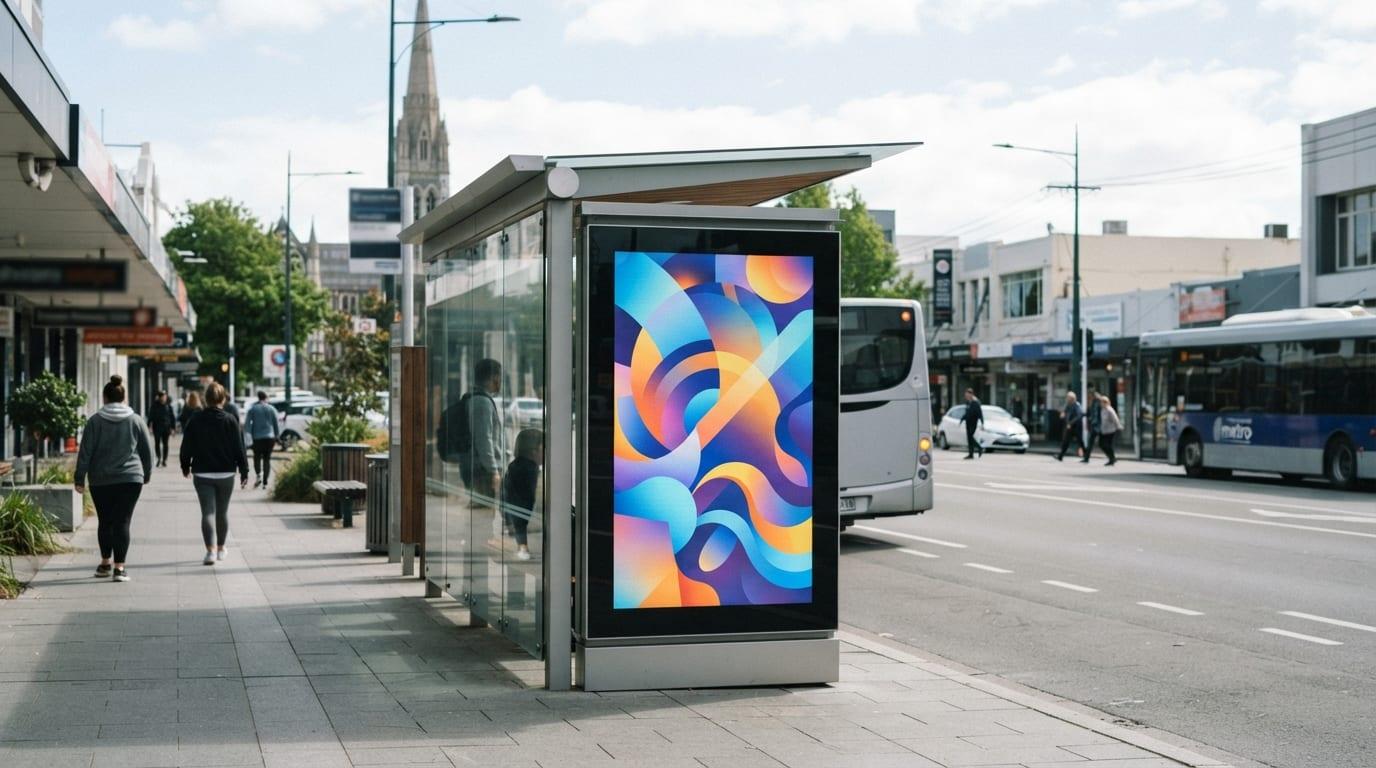
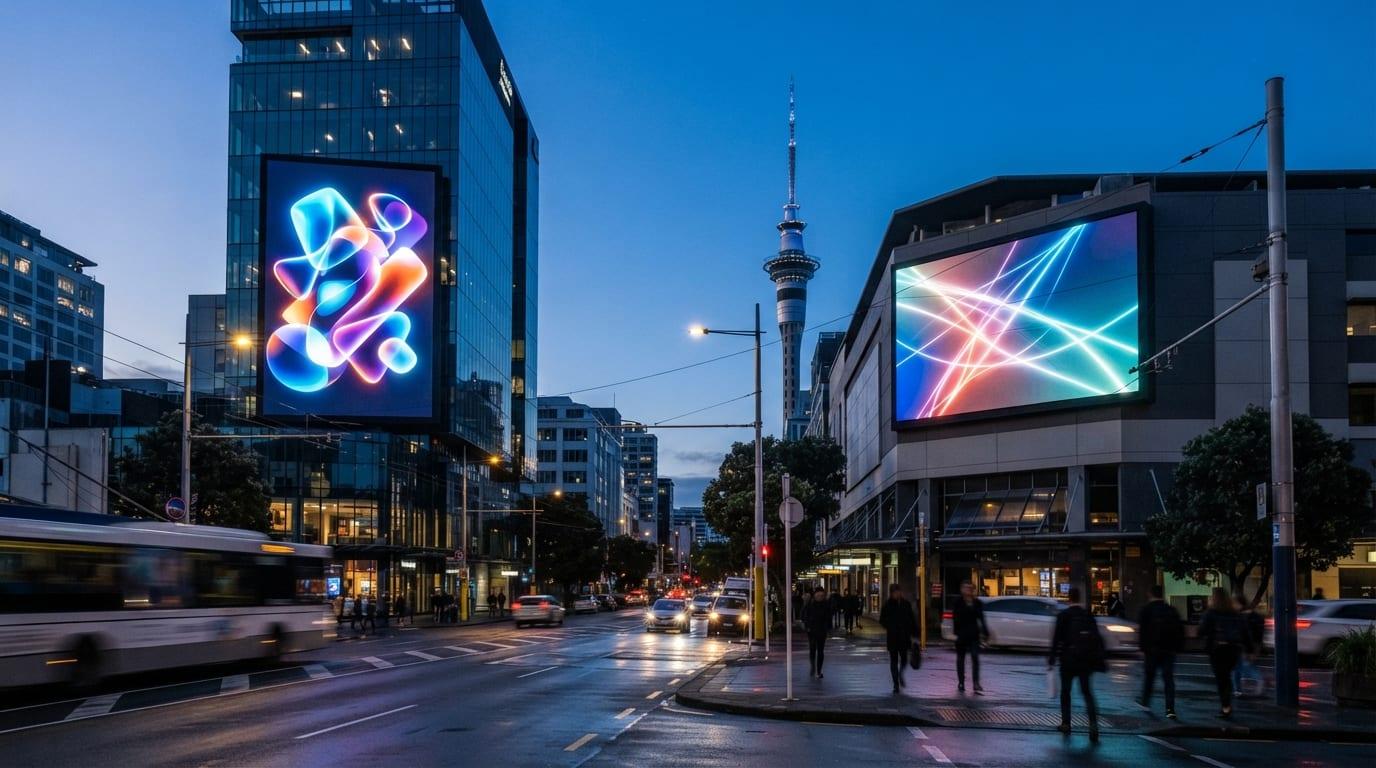

Lumo Digital Outdoor is celebrating ten years in business. According to the company, DOOH represented about 30% of New Zealand OOH spend in 2016 and now represents more than 80%. Lumo says it owns twice as many large-format digital billboards as existed in the entire New Zealand market when it launched.
The numbers show how quickly a market can move once digitisation, audience measurement and programmatic trading reinforce each other. Digital inventory increases flexibility, but it also changes how OOH is priced and measured — from fixed poster periods toward impressions and share of time. Lumo's decade provides a clean snapshot of market digitisation. The company says digital represented about 30% of New Zealand OOH spend in 2016 and now accounts for more than 80%, illustrating how buying flexibility and network investment can change the revenue mix.
For Billboard Guide, the useful way to read the story is not just as a campaign or company announcement. It is a practical example of how the outdoor medium is changing: where advertisers can appear, how inventory is packaged, what creative earns attention in public space and what evidence a buyer should request before deciding that a placement is worth the premium.
Why the announcement matters
The practical value is in how the announcement changes the way outdoor can be planned, sold, created or evaluated. Industry news becomes useful to buyers when it changes inventory quality, access, education, measurement or the commercial terms around a campaign.
What buyers and planners should look for
Translate the headline into operational questions. Which markets and formats are included? Is the product available directly or only through an agency or platform? What is guaranteed and what is estimated? How is delivery reported? Are there minimum spends, fixed flight lengths or creative restrictions? Those details determine whether a new proposition belongs in a real media plan.
The broader OOH signal
The direction of travel across the industry is toward more curated digital networks, better planning data, easier automation and more ambitious creative use of premium locations. Static inventory remains important, but the commercial language around OOH increasingly includes audience, share of time, contextual activation and measurable outcomes.