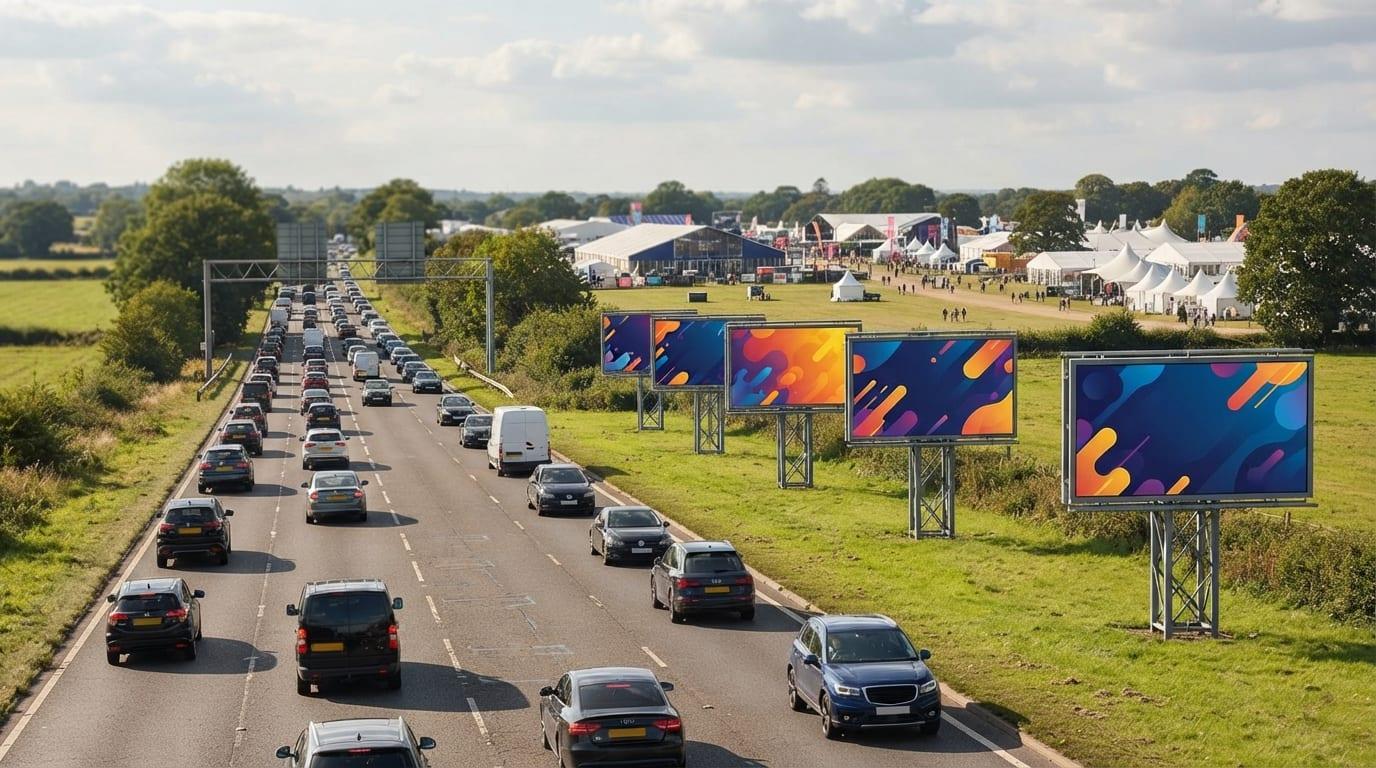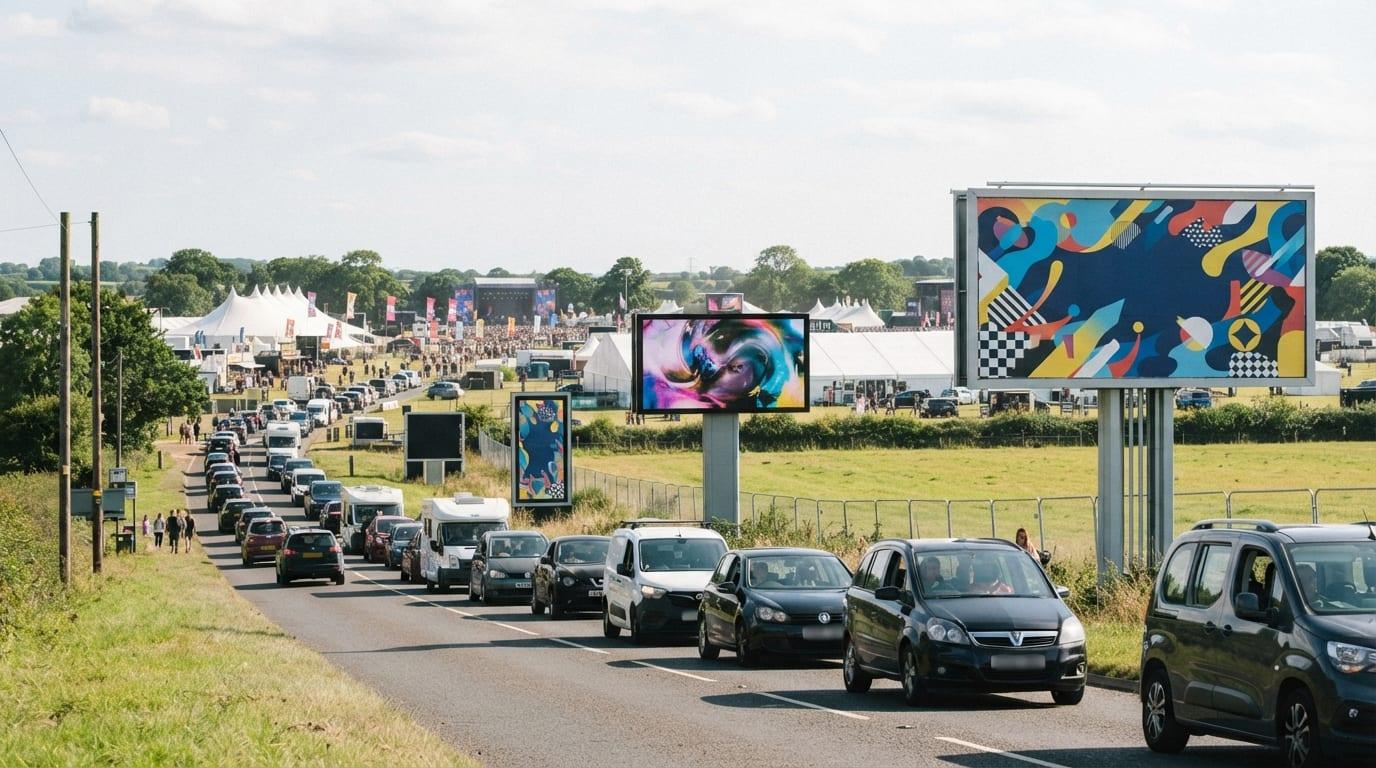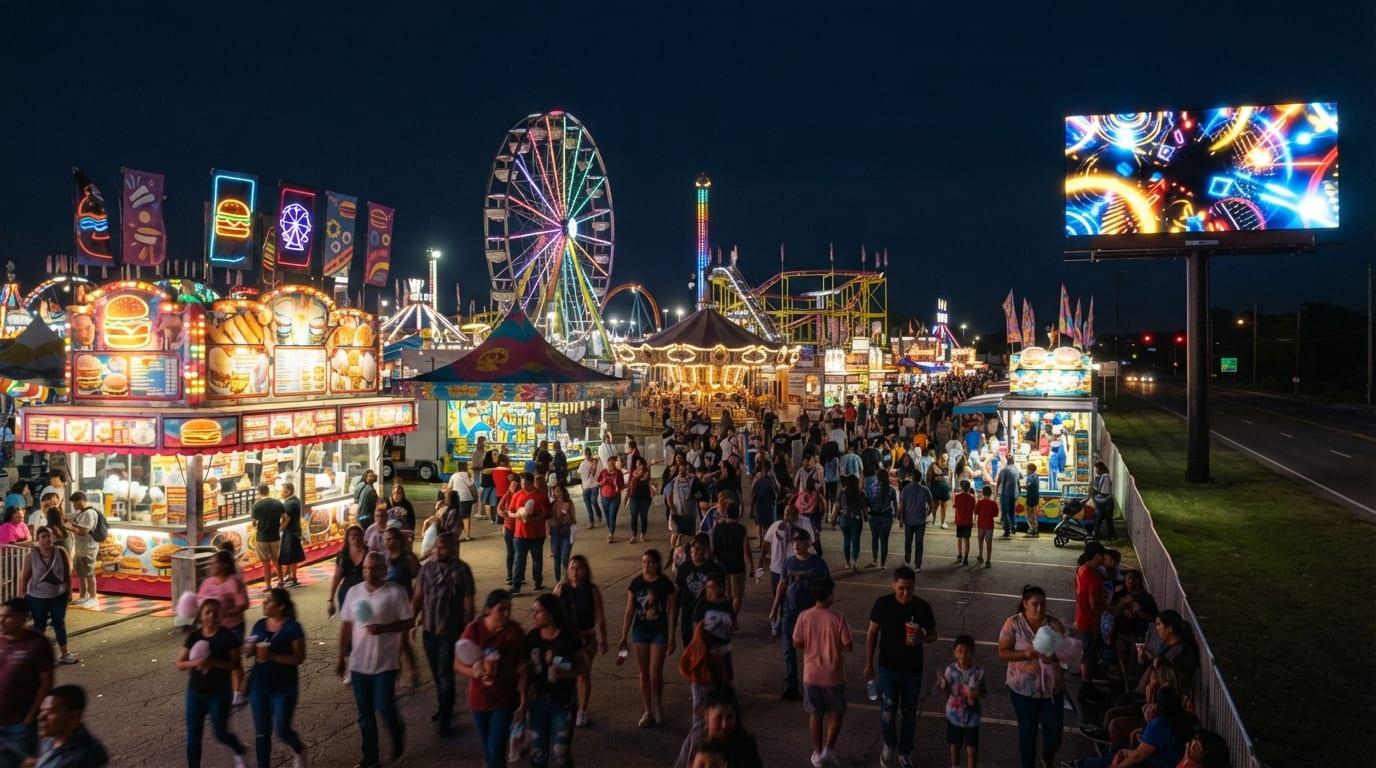
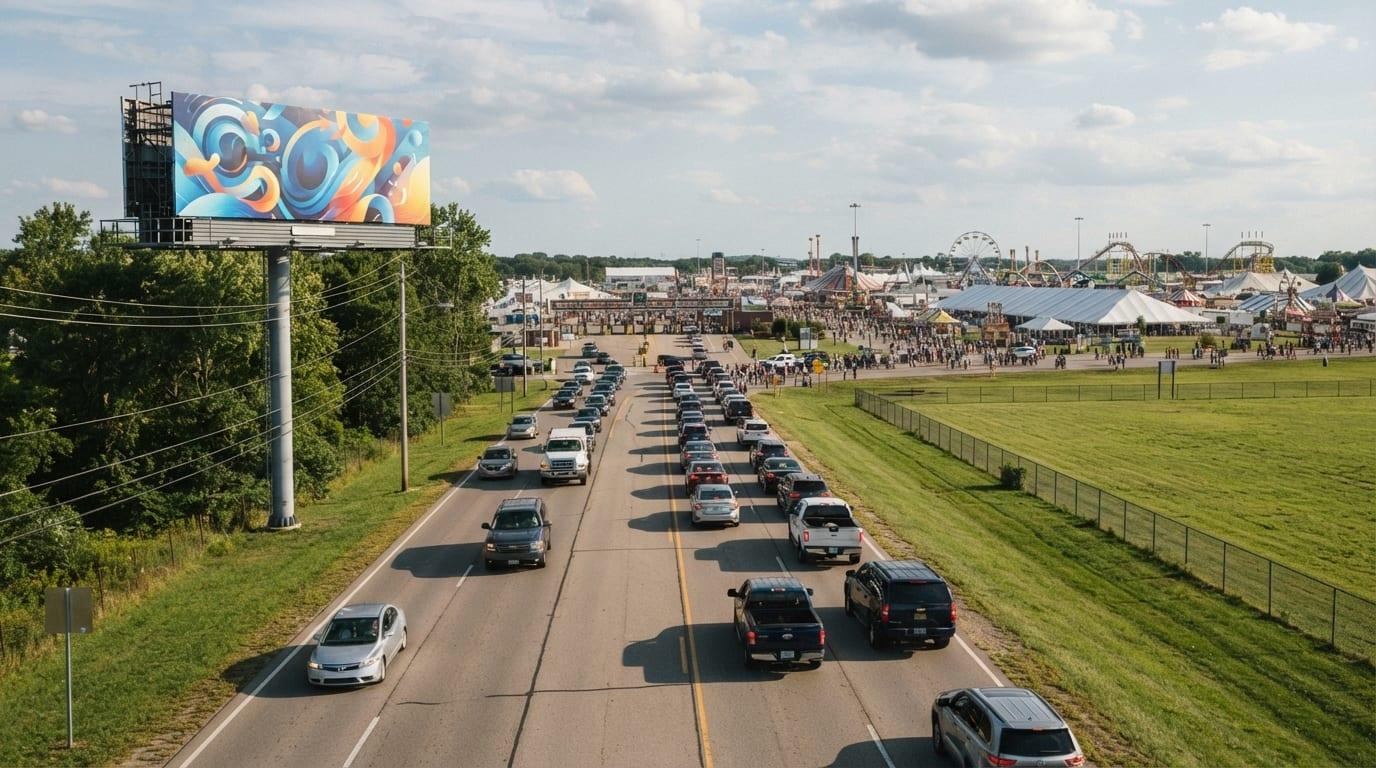

The 2026 Ohio State Fair runs through August 2 in Columbus. Large state fairs create concentrated local movement over multiple days, giving roadside, transit and place-based media repeated opportunities to reach visitors.
Fairs are particularly interesting for regional advertisers because the audience is not confined to one narrow professional or lifestyle segment. Families, suburban visitors, rural audiences and local residents can all converge on the same destination. A state fair is a broad-audience event, so local OOH can reach families, suburban visitors and regional travellers at once. The traffic surge also changes the value of corridors that may be ordinary during a normal week.
For Billboard Guide, the useful way to read the story is not just as a campaign or company announcement. It is a practical example of how the outdoor medium is changing: where advertisers can appear, how inventory is packaged, what creative earns attention in public space and what evidence a buyer should request before deciding that a placement is worth the premium.
Why the calendar matters to OOH
Outdoor planning is unusually sensitive to physical movement, and events temporarily rewrite that movement. A corridor, station or district can become more valuable because people are arriving from the airport, checking into hotels, travelling to the venue and circulating through hospitality areas.
How to build the route plan
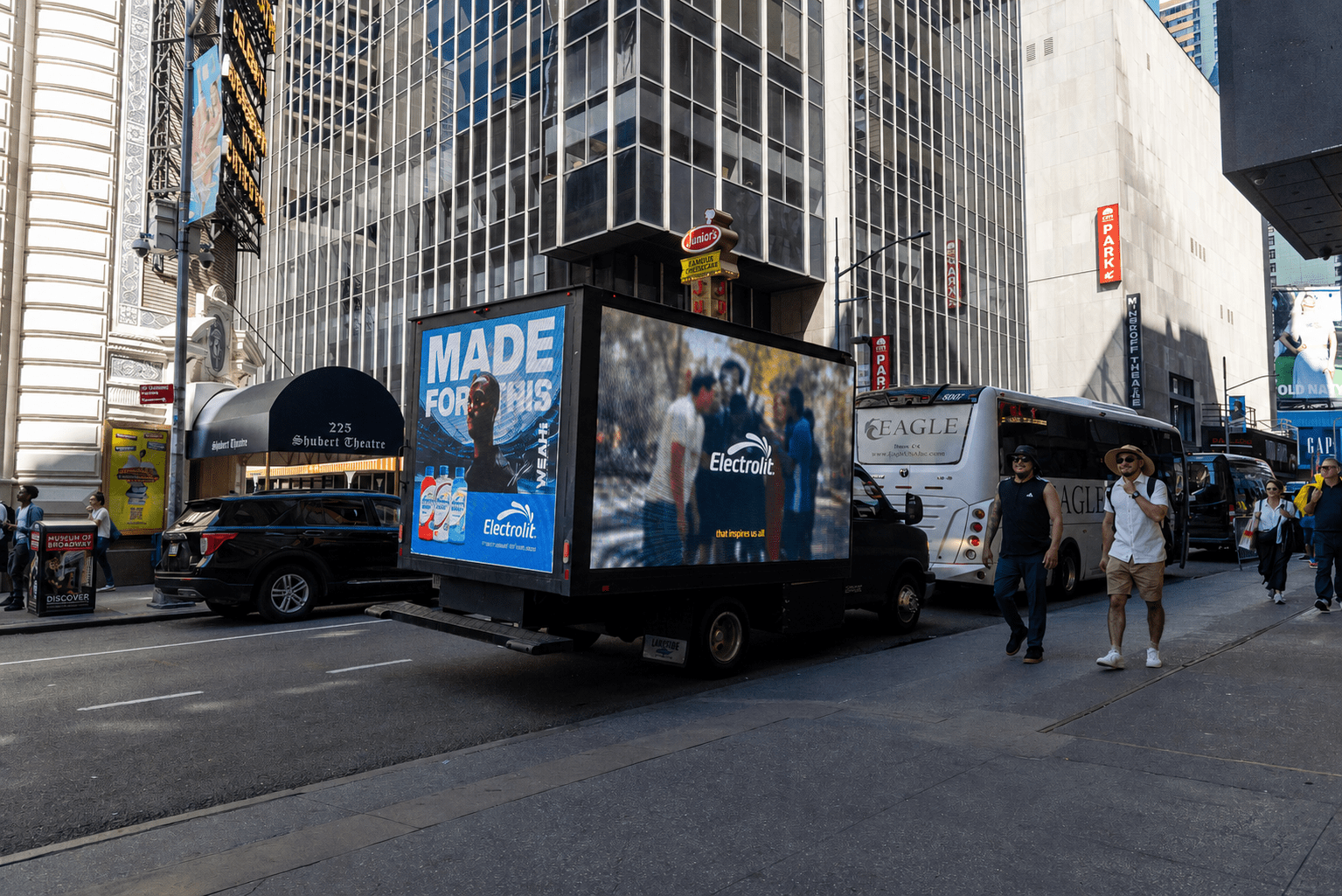
Start with origins and destinations rather than a list of available boards. Map airports, rail stations, interstates, hotels, parking, rideshare areas, fan zones and nightlife districts, then identify where multiple audience journeys overlap. Large-format roadside can build arrival impact, transit can add repetition, and place-based DOOH can reach people closer to moments of purchase or entertainment.
Timing and measurement
A campaign does not always need to run for the same period as the event. Arrival and departure days may deserve heavier weight, while digital inventory can be dayparted around gates opening, headline sessions or evening activity. Measurement can include reach and frequency, venue visitation, brand lift, promotional redemption or sales around relevant locations.
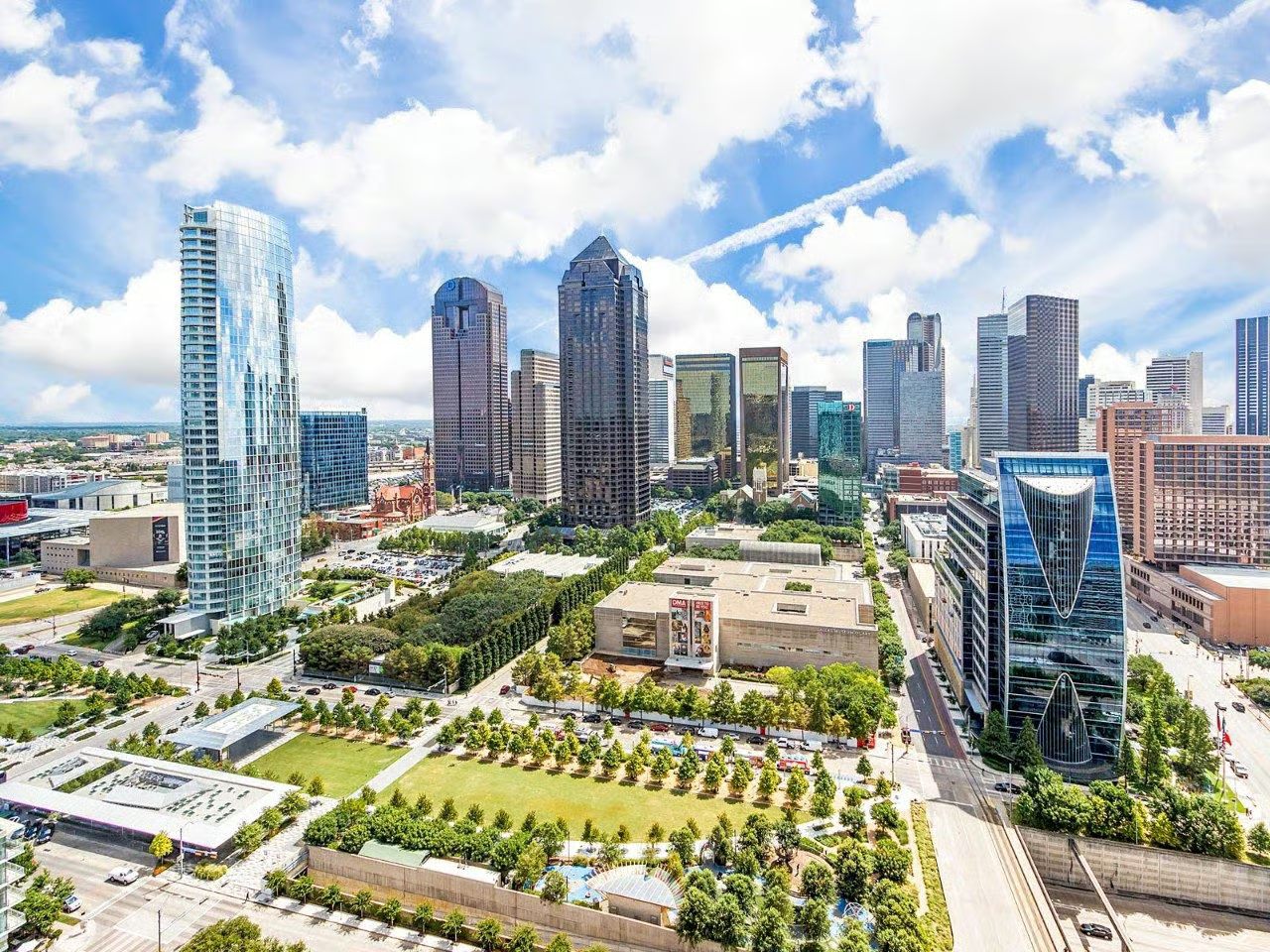 Dallas