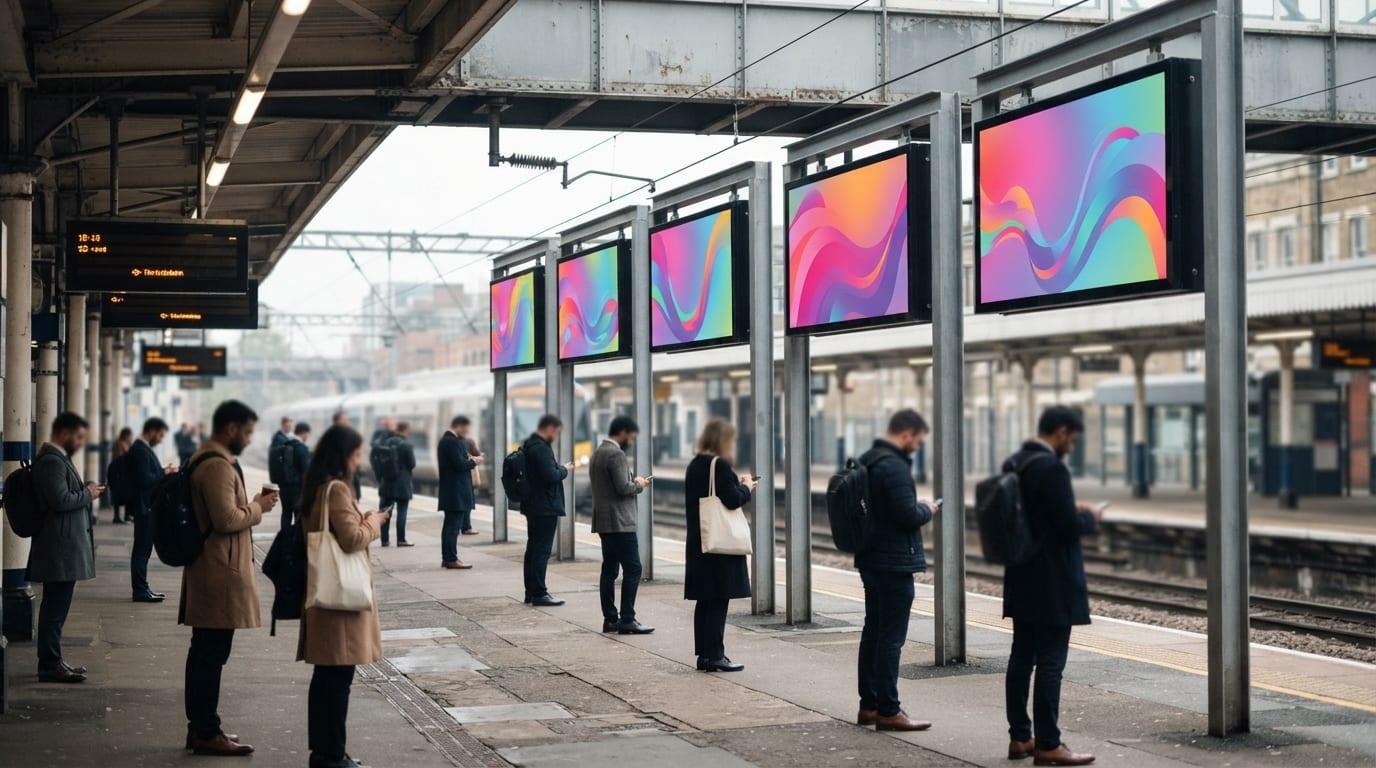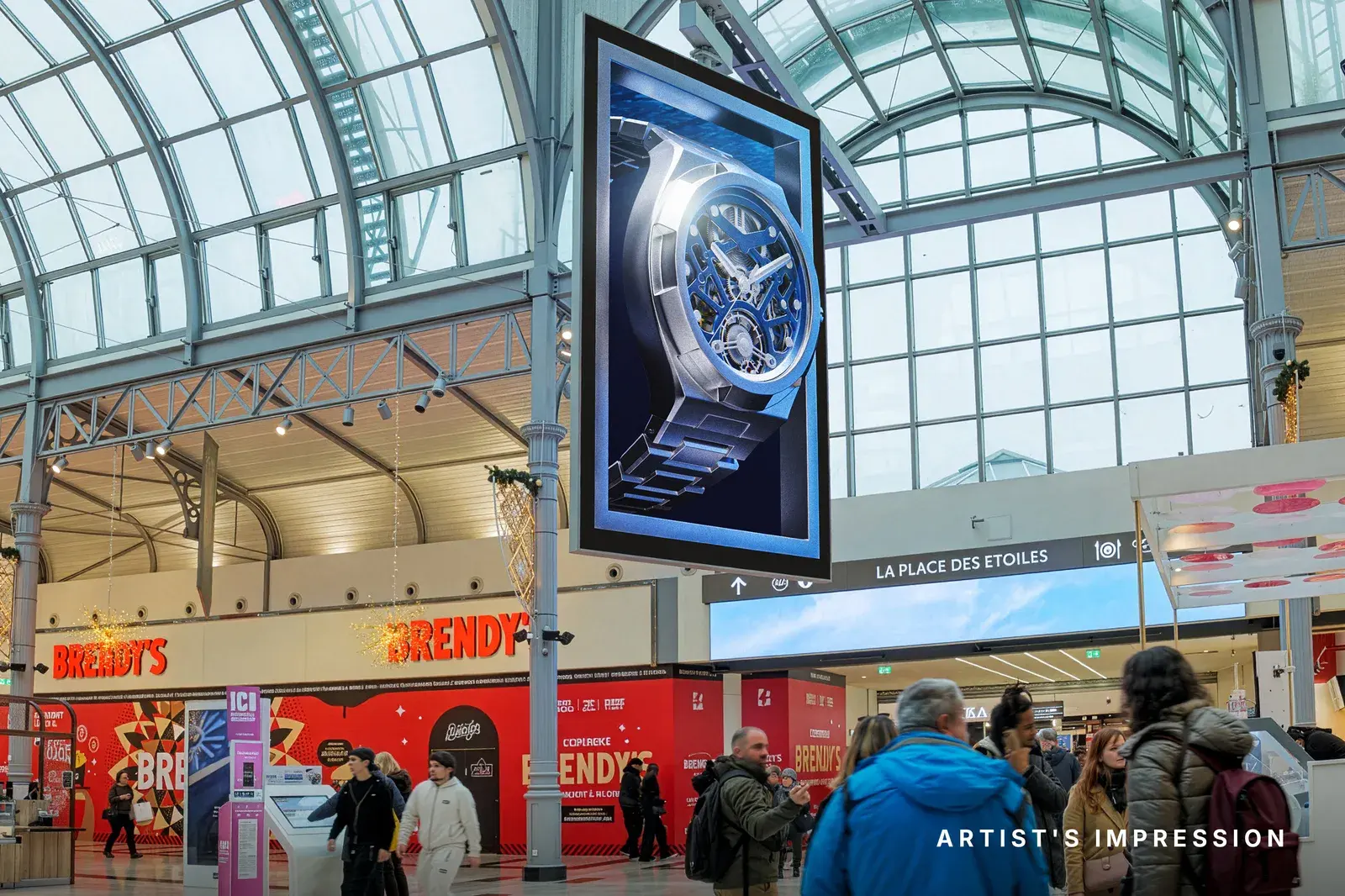
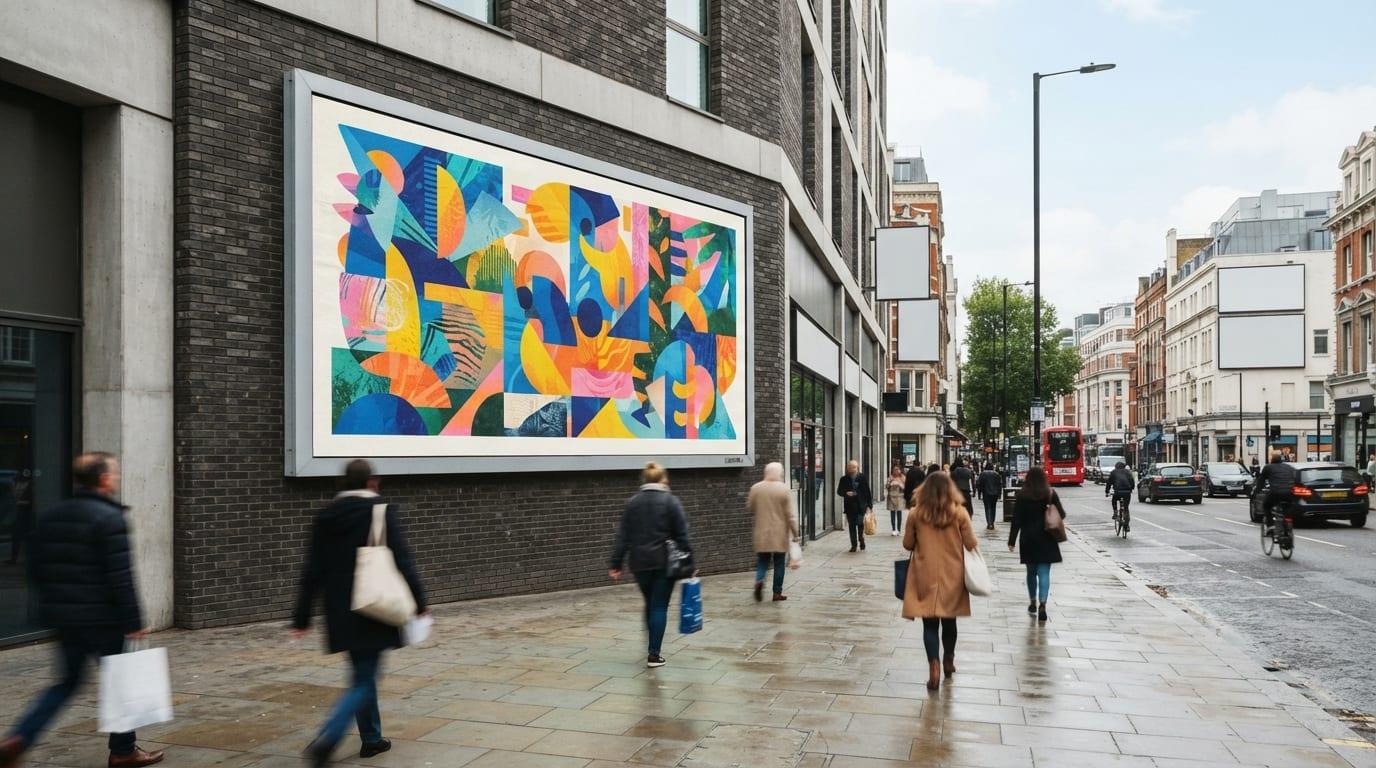

Ocean Outdoor’s 2026 Digital Creative Competition is accepting concepts until August 21. Entrants are encouraged to put DOOH at the centre of the idea and consider technology, multiple locations and social amplification.
Even for teams that do not enter, the competition brief is a useful checklist for modern DOOH. It asks creatives to think beyond a static poster and consider what the medium can do because it is digital, connected and physically located. The deadline-driven competition is also a useful planning exercise because it encourages teams to think about multiple screens, interaction, data and amplification before they think about a polished key visual.
For Billboard Guide, the useful way to read the story is not just as a campaign or company announcement. It is a practical example of how the outdoor medium is changing: where advertisers can appear, how inventory is packaged, what creative earns attention in public space and what evidence a buyer should request before deciding that a placement is worth the premium.
Why the announcement matters
The practical value is in how the announcement changes the way outdoor can be planned, sold, created or evaluated. Industry news becomes useful to buyers when it changes inventory quality, access, education, measurement or the commercial terms around a campaign.
What buyers and planners should look for
Translate the headline into operational questions. Which markets and formats are included? Is the product available directly or only through an agency or platform? What is guaranteed and what is estimated? How is delivery reported? Are there minimum spends, fixed flight lengths or creative restrictions? Those details determine whether a new proposition belongs in a real media plan.
The broader OOH signal
The direction of travel across the industry is toward more curated digital networks, better planning data, easier automation and more ambitious creative use of premium locations. Static inventory remains important, but the commercial language around OOH increasingly includes audience, share of time, contextual activation and measurable outcomes.
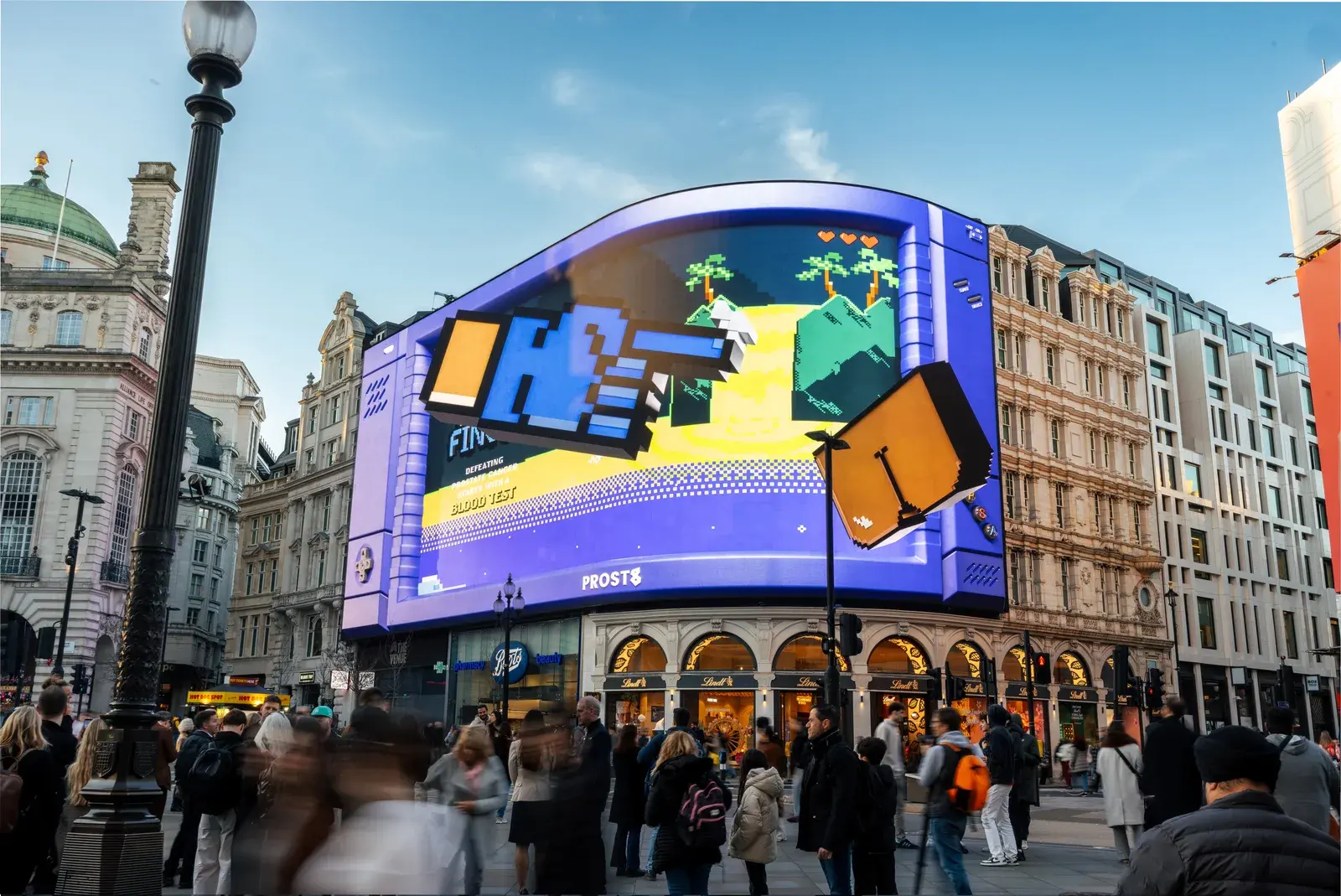
 London