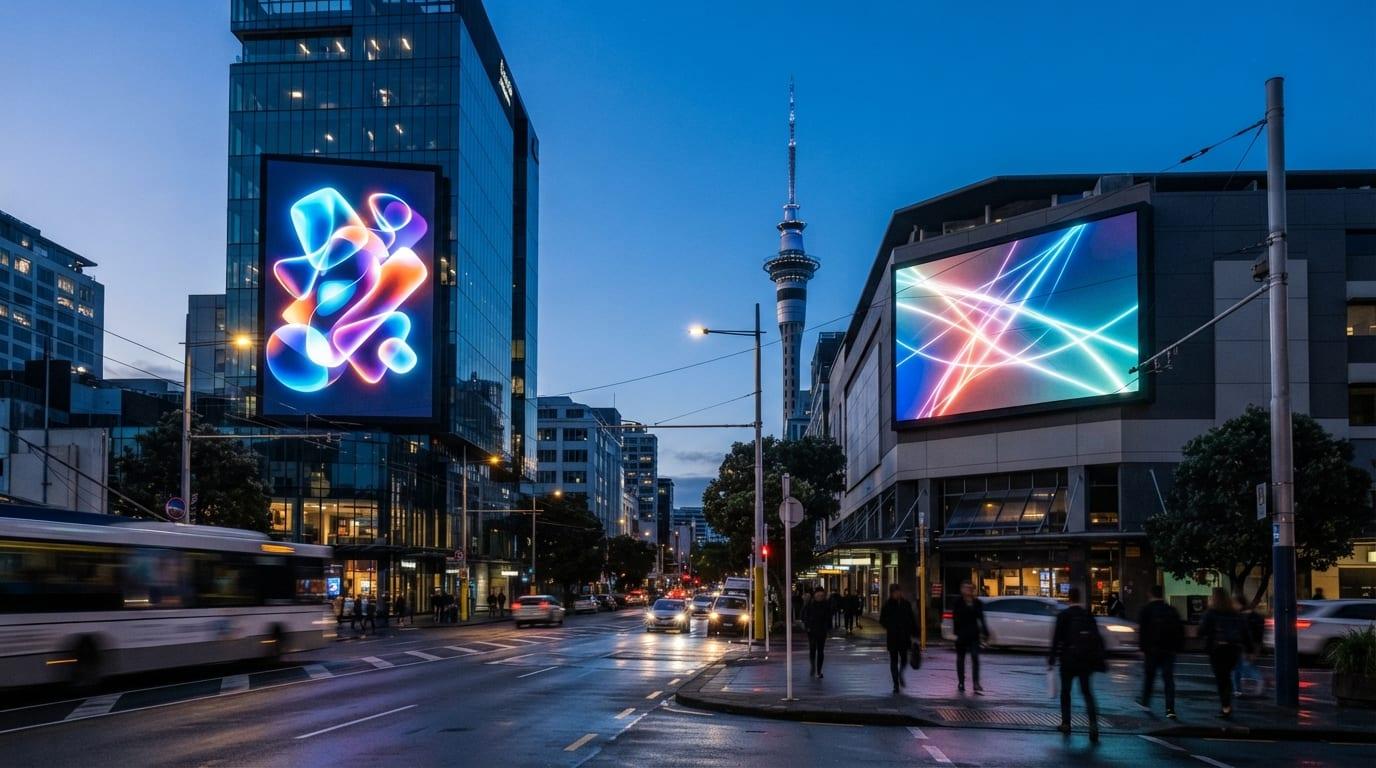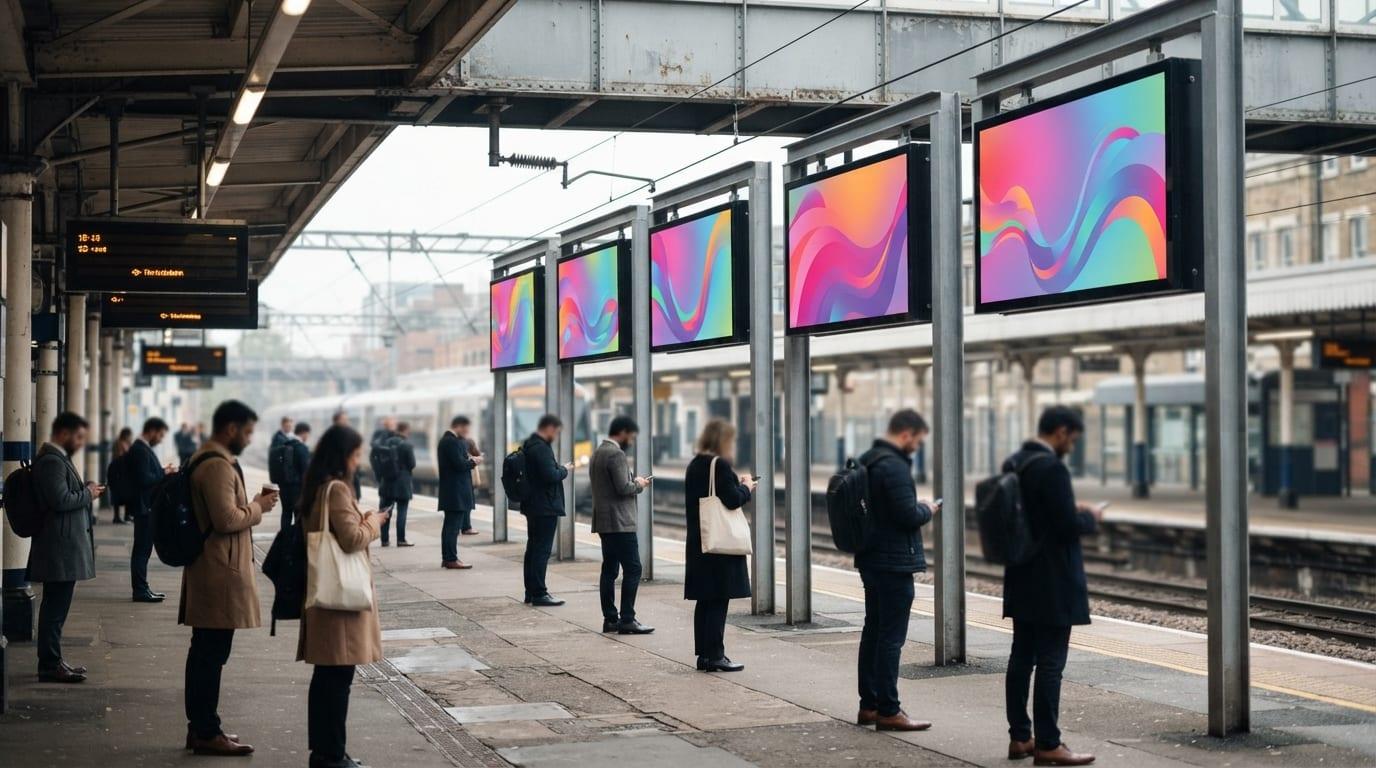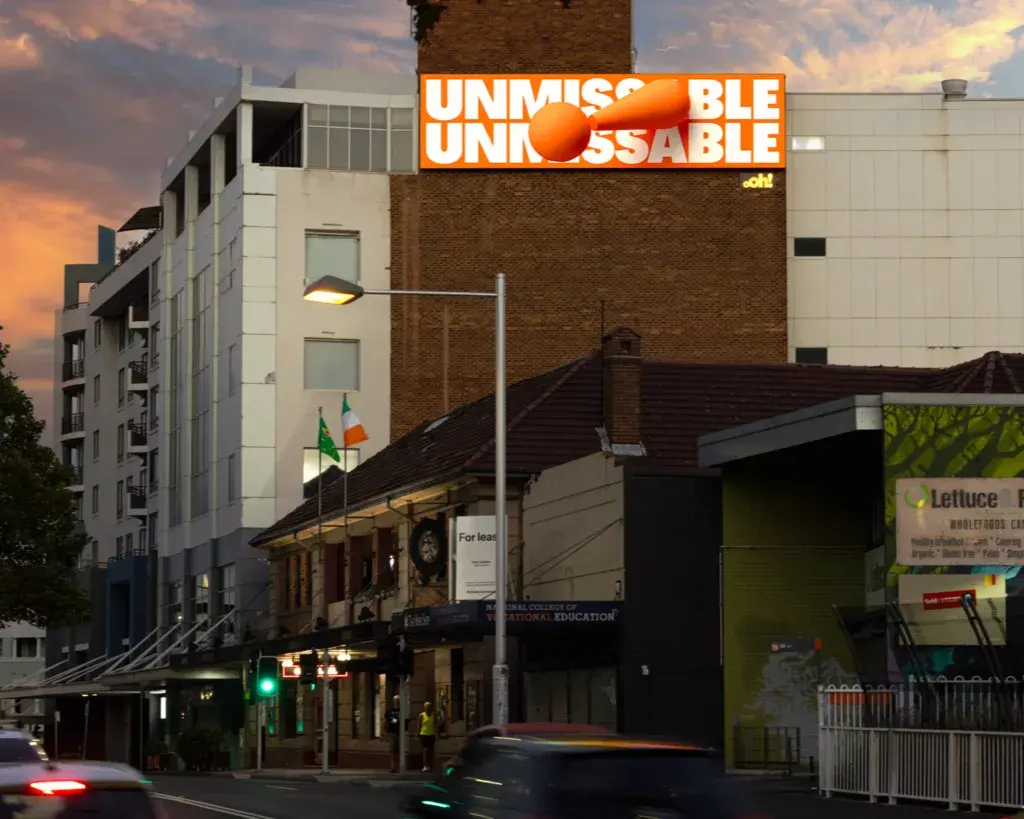
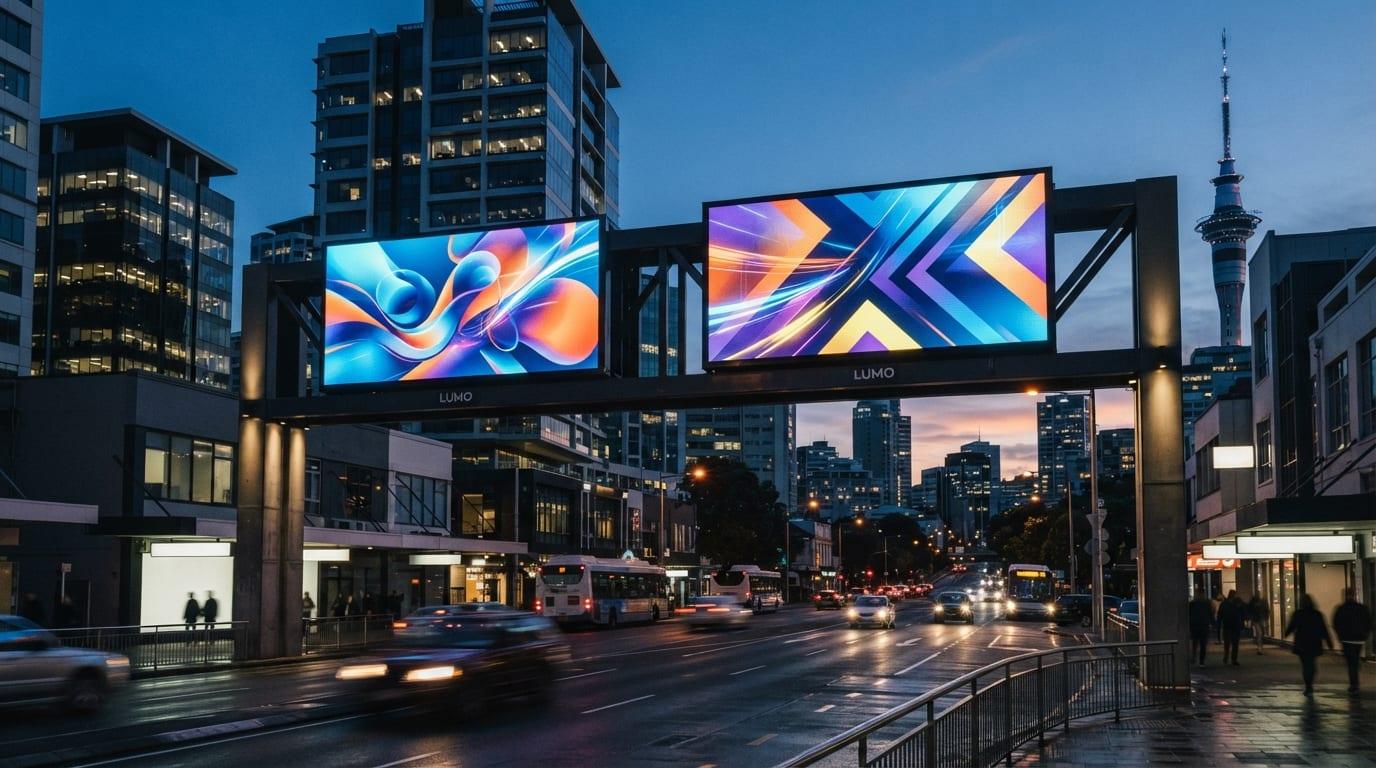

LUMO announced plans for a major new digital roadside landscape billboard in Auckland, positioning the format as the largest of its type in New Zealand. The project adds another premium large-format digital site to a market where DOOH has grown rapidly over the past decade.
Large roadside screens are attractive because they combine the physical dominance of classic billboards with the flexibility of digital scheduling. They can support multiple advertisers, dayparting and fast creative changes while preserving the one-to-many impact that makes OOH distinctive. A landmark roadside format earns its premium only if the physical viewing conditions support it. A huge screen approached at an awkward angle or with limited dwell can still underperform a smaller face with a cleaner sightline.
For Billboard Guide, the useful way to read the story is not just as a campaign or company announcement. It is a practical example of how the outdoor medium is changing: where advertisers can appear, how inventory is packaged, what creative earns attention in public space and what evidence a buyer should request before deciding that a placement is worth the premium.
Why a new screen is more than its dimensions
OOH inventory should be evaluated as a viewing environment. Size is only one variable. Approach direction, angle, distance, traffic speed, dwell, illumination, surrounding visual clutter, screen brightness and the number of advertisers in the loop can all affect real-world impact.
What to request from the media owner
Ask for exact coordinates, photographs from the audience approach, screen dimensions and resolution, orientation, operating hours, loop length, slot length, estimated impressions, audience methodology, content restrictions and proof-of-play reporting. A map pin and a hero photograph are not enough for serious evaluation.