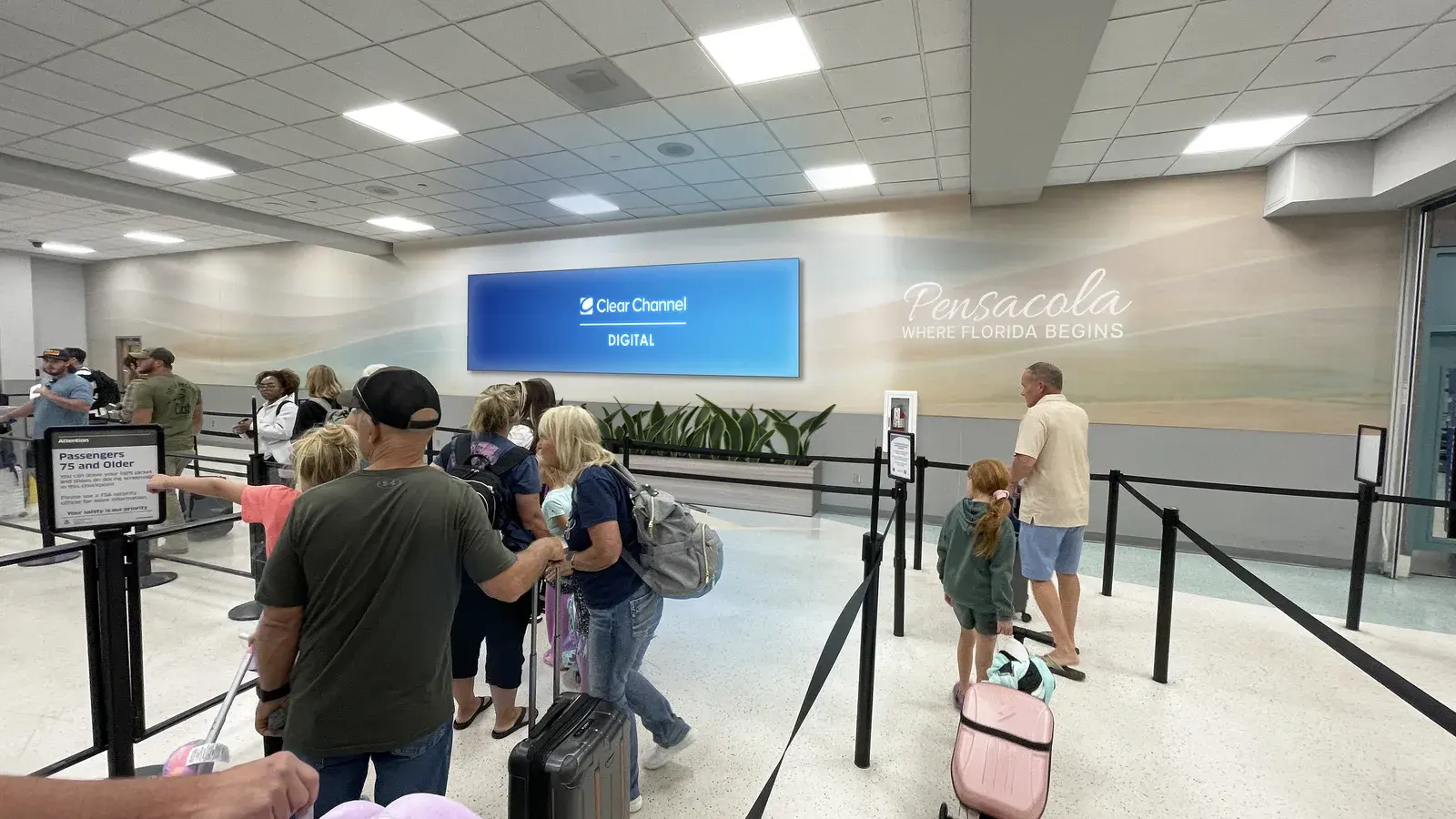

Clear Channel Outdoor reported second-quarter 2026 consolidated revenue of about $438.0 million, up 8.7% year over year, with Adjusted EBITDA of about $143.4 million. Its America segment revenue rose 7.0% and Airports revenue rose 14.0%. The company remains subject to a pending take-private agreement under which stockholders are expected to receive $2.43 per share in cash, and it completed the sale of its Spain business on August 4 for approximately $132.3 million.
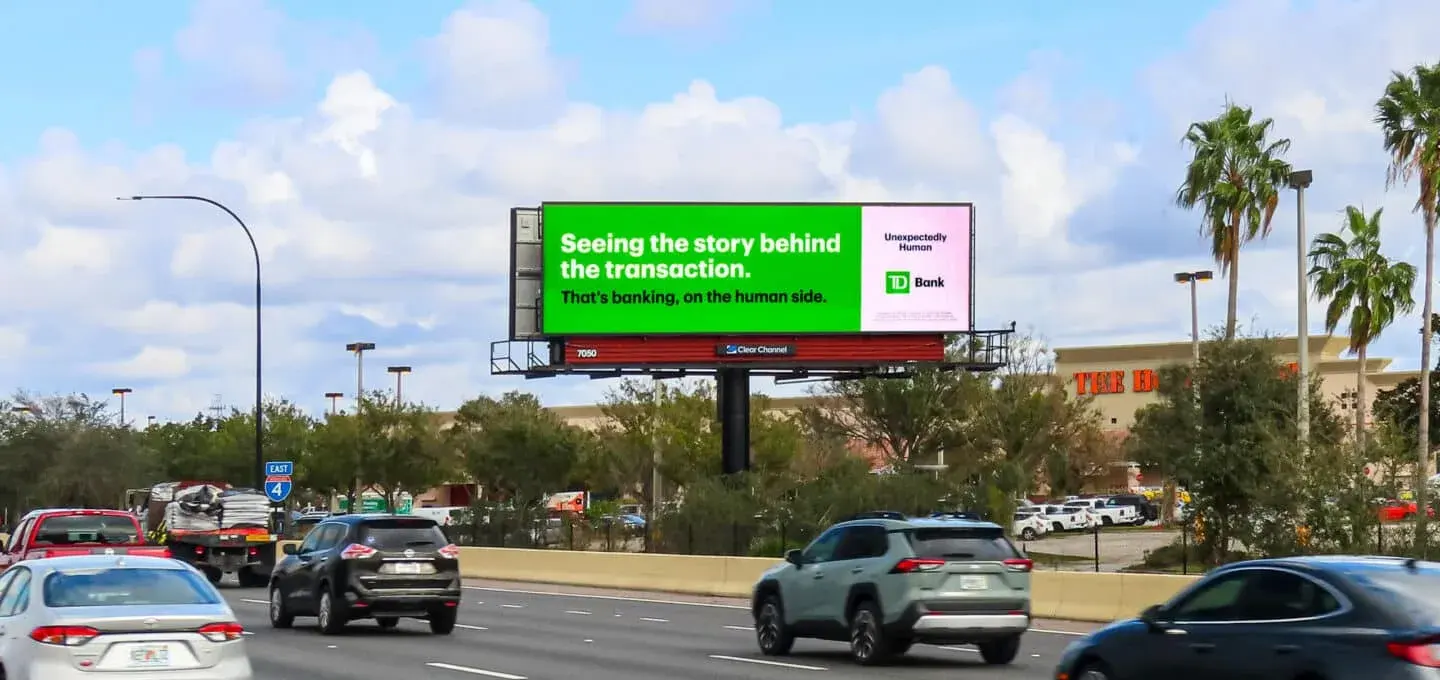
The deal matters beyond shareholders. Clear Channel controls a major U.S. roadside and airport footprint, so ownership, debt reduction and future capital investment can influence digital conversion, technology, sales strategy and competition across the market. The operating results and the transaction story now overlap. Revenue growth, airport strength, asset sales and the $2.43-per-share take-private agreement all influence how the company may allocate capital while it moves toward a change of ownership.
For Billboard Guide, the useful way to read the story is not just as a campaign or company announcement. It is a practical example of how the outdoor medium is changing: where advertisers can appear, how inventory is packaged, what creative earns attention in public space and what evidence a buyer should request before deciding that a placement is worth the premium.
What the numbers or transaction tell the OOH market
Public-company results and ownership changes matter to advertisers because they influence capital expenditure, digital conversions, acquisitions, pricing discipline and the technology attached to inventory. These decisions eventually shape what formats are available and how easily they can be bought.
What media buyers should watch next
The most useful signals are usually segment-level rather than headline valuation alone: organic revenue growth, billboard versus transit or airport performance, digital revenue, national versus local demand, acquisition activity and management commentary on advertiser categories. A strong quarter does not automatically mean every market or format is tightening at the same rate.
Why this matters beyond investors
OOH is infrastructure-heavy media. Operators commit capital to permits, structures, screens, leases, maintenance and sales technology years before a particular campaign is booked. Financial health therefore influences the future inventory map in a more direct way than it might for purely digital publishers.