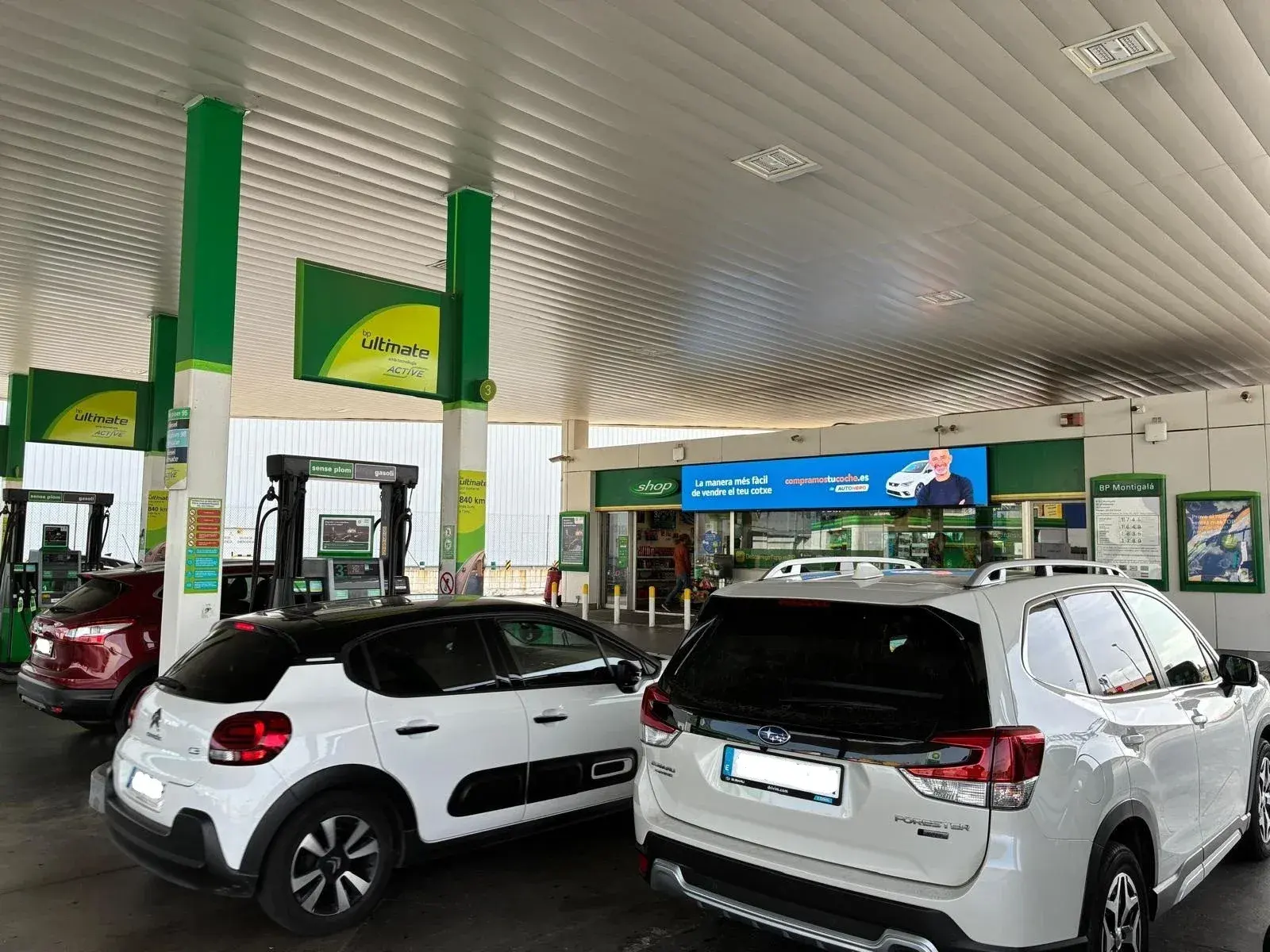

VIOOH has partnered with Starlite Media to make more than 800 digital out-of-home (DOOH) screens at US retail destinations available through its programmatic platform, according to an invidis report published on 8 September 2026.
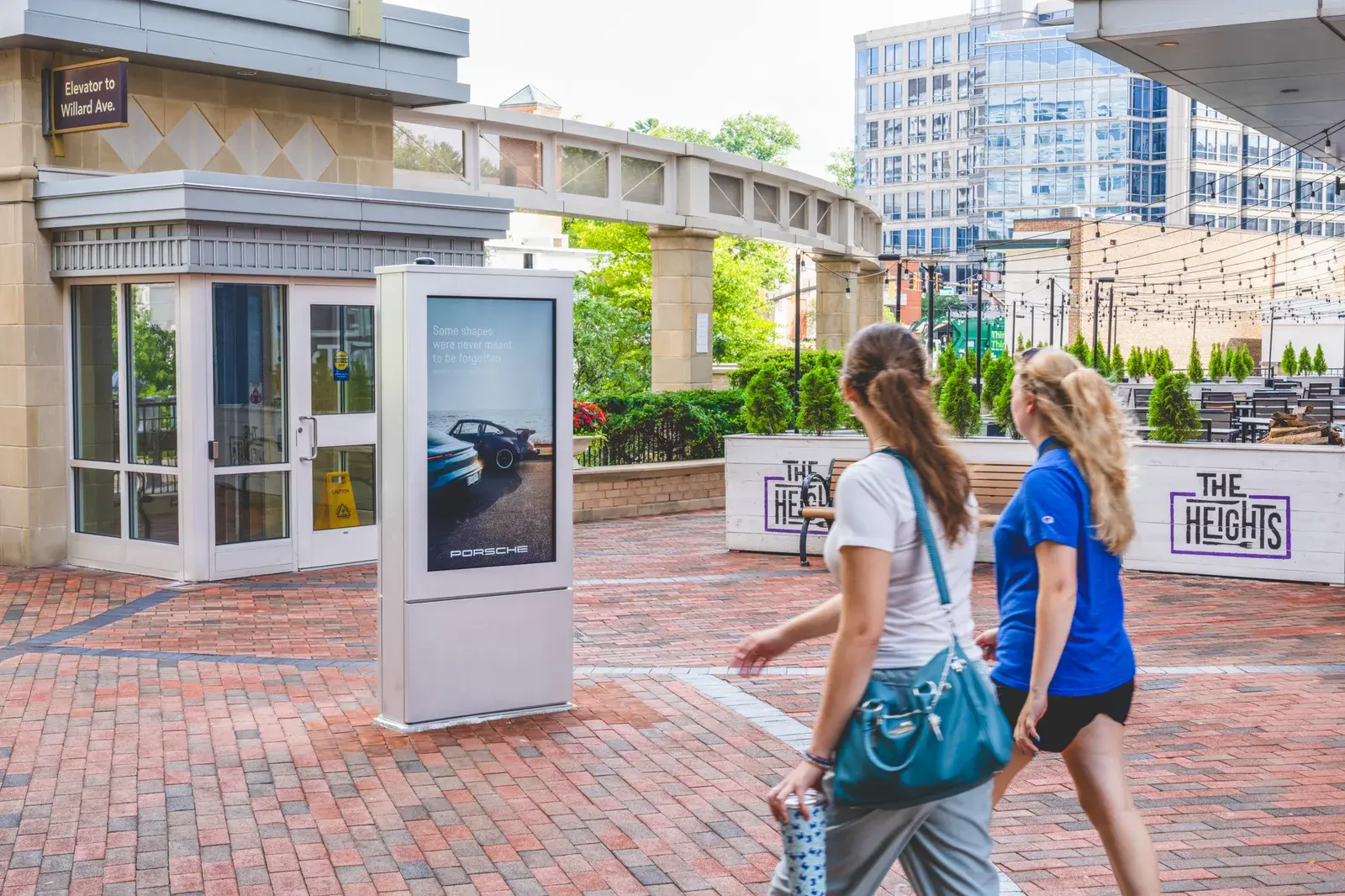
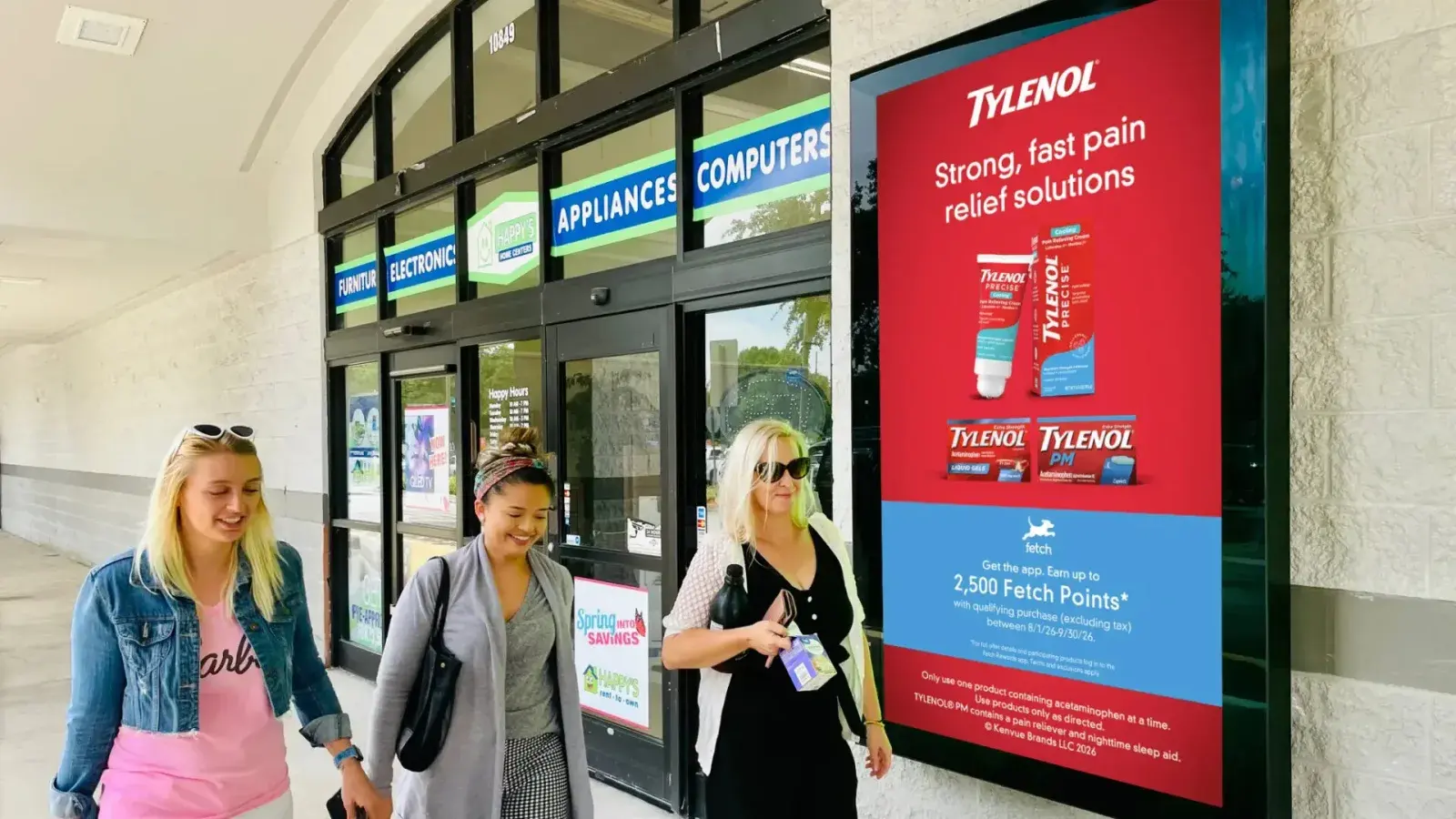
The reported network covers more than 70 designated market areas (DMAs) and generates 650 million monthly impressions. Starlite’s large-format displays sit at community shopping centers, including entrances, walkways and exterior walls near grocery stores and other retailers.
The integration gives buyers using VIOOH’s supply-side platform a programmatic route to select locations, campaign dates and spending levels. The announcement expands access to inventory; the reported impression figure is a network-level claim, rather than a promise of unique reach or sales for an individual campaign.
Why the retail setting matters
For advertisers, the planning opportunity is the relationship between a screen and the shopping trip around it. A grocery-adjacent placement could support a product reminder, while a display along a shopping-center walkway could introduce a brand before consumers reach a store. These are potential uses of the format, not results demonstrated by the partnership.
The distinction matters when building a brief. A national awareness campaign and a local store promotion can use similar screens but need different location lists, creative and success measures. Advertisers should establish whether the objective is broad exposure, recognition in a particular catchment or a measurable response near participating stores.
Programmatic access still requires a physical inventory review
Automated buying can simplify activation, but a digital screen’s surroundings still determine how the message is encountered. Buyers should review photographs, screen orientation, sightlines, pedestrian and vehicle access, operating hours and the position of nearby retailers before treating inventory as interchangeable.
BillboardGuide’s guide to evaluating OOH metrics beyond impressions provides useful context for comparing visibility and audience fit alongside headline volume.
For a retail campaign, the inventory review should also ask whether the promoted product is stocked nearby. An attractive offer has limited value if the audience cannot act on it within the advertised location or promotion period.
What buyers should verify before activation
The following questions should form part of a buying brief:
- Which individual screens and markets are available through the buyer’s platform?
- How are impressions estimated, and what audience data supports the proposed schedule?
- What spot lengths, creative specifications and content restrictions apply?
- What evidence of playback will be provided, and how will delivery discrepancies be handled?
- What is the full cost after platform, data and creative charges?
- Can the proposed outcome measurement distinguish campaign impact from existing shopper demand?
The BillboardGuide CPM calculator can help compare costs once campaign-level impression estimates are available. A network’s total monthly audience should not be substituted for the impressions purchased by one advertiser.
Creative should match the viewing opportunity
For this type of campaign, a useful starting point is one product, one recognizable brand and one clear reason to care. A promotion may need a price or nearby retailer reference; an awareness execution may work better with a distinctive visual and fewer words.
Creative should be checked against the actual viewing distance and exposure time. A QR code, for example, needs a safe stopping opportunity and a readable display. Its presence alone does not establish that scanning is a realistic response.
What the partnership changes
BillboardGuide’s assessment is that the deal broadens the routes through which buyers can assemble a retail-focused DOOH plan. Its value for an advertiser will depend on the screens selected, the audience evidence and the execution around them.
Brands evaluating these environments can use BillboardGuide’s media planning service to develop a brief around geography, retail relevance, budget and measurement.