
Ribeye Media has added StackAdapt’s programmatic capabilities to its platform, including digital out-of-home activation alongside other advertising channels. The companies announced the integration in a release dated 17 September 2026.
For local media teams, the development concerns the workflow used to plan and manage campaigns. Its significance for outdoor advertisers depends on the actual inventory, controls and reporting available through that workflow.
What the announcement confirms
The release says Ribeye clients can use StackAdapt through existing campaign management, reporting and attribution workflows. It identifies availability for self-service clients and access for white-label and managed-service clients.
The companies describe activation across channels including connected TV, display, video, native, audio and DOOH. The announcement does not provide a unit-level list of outdoor screens available in each local market.
That leaves a practical distinction: platform access and confirmed media availability are separate questions.
A unified workflow still needs channel-specific planning
Billboard Guide’s analysis is that the main operational opportunity is reducing the number of disconnected steps involved in running a campaign. Sellers and advertising operations teams can assess whether a common workflow makes proposals, activation and reporting easier to manage.
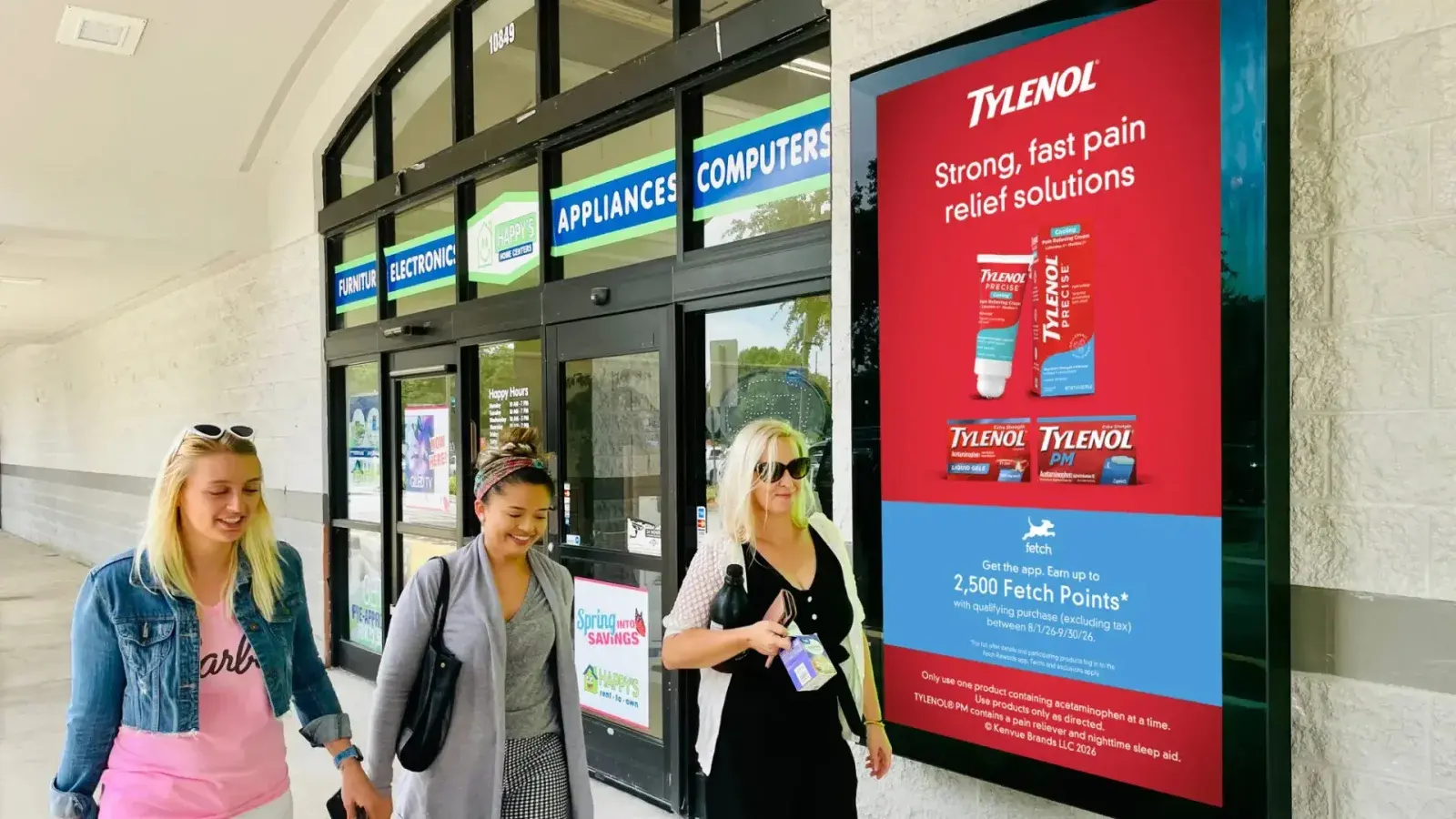
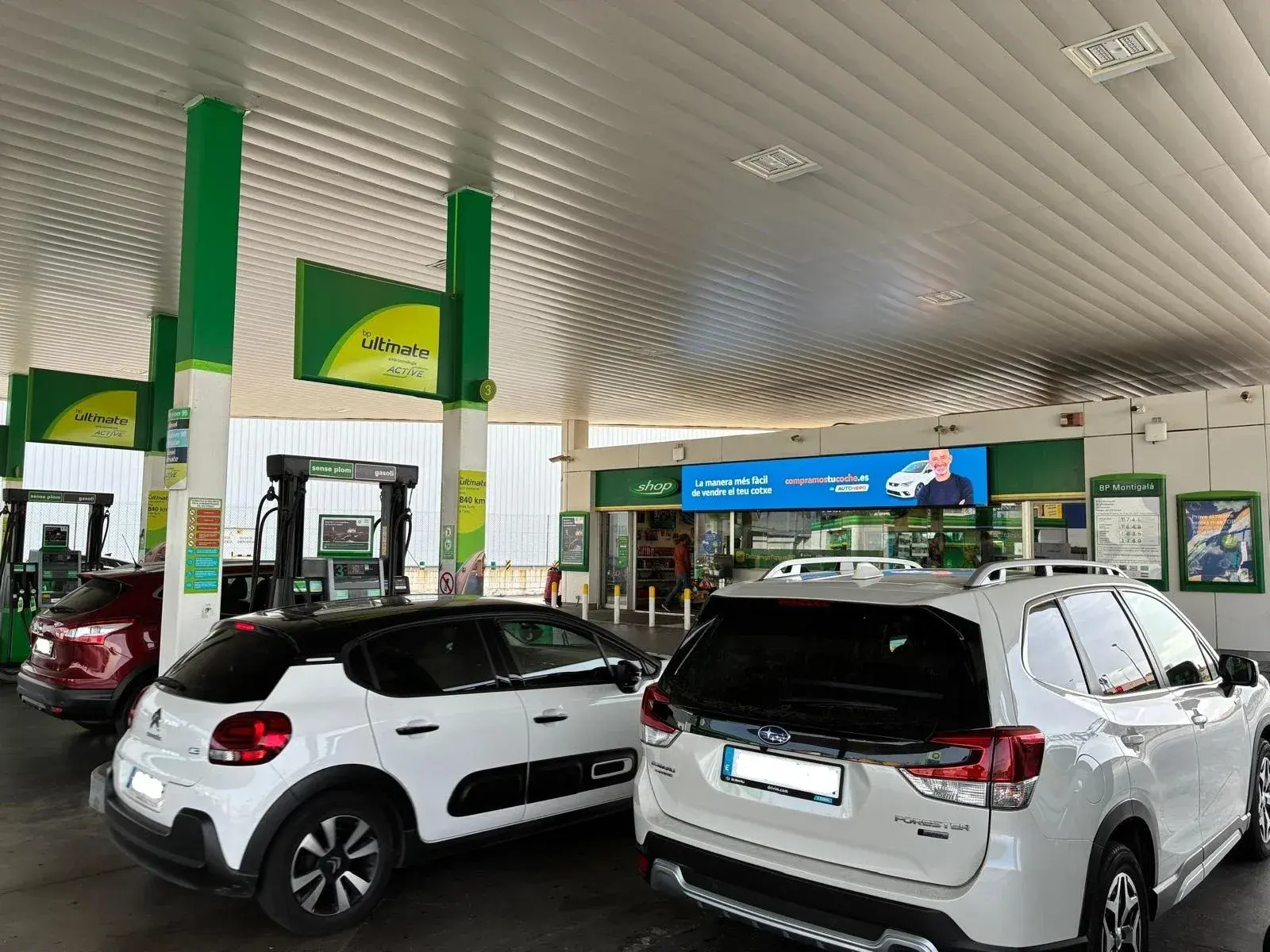
For DOOH, however, the campaign still takes place on physical screens. A buying interface needs to connect the brief with suitable locations, viewing conditions and creative specifications.
A local retailer, for example, may want advertising near its service area during selected hours. The buyer needs to establish whether eligible screens exist there and whether the available controls support that plan. The integration announcement alone cannot answer those site-level questions.
BillboardGuide’s programmatic DOOH guide provides context for evaluating buying models and campaign delivery.
Verify the outdoor component before combining channels
An advertiser reviewing a cross-channel proposal should ask for the DOOH portion to be described clearly. Which venues and screen types are eligible? How are plays converted into audience estimates? What creative assets are required? Which records will confirm delivery?
These questions help make the outdoor element reviewable within a larger plan. They also prevent a broad channel label from standing in for the details needed to judge location quality and audience relevance.
Commercial terms need the same clarity. Buyers should establish the quoted media scope, applicable fees, campaign controls and reporting responsibilities before approval. This is a recommendation for evaluating the opportunity, rather than a claim about undisclosed Ribeye pricing.
Combined reporting should preserve measurement differences
Putting channels in one dashboard can make campaign review more convenient. It does not automatically make their audience or outcome measures equivalent.
A DOOH play, a modelled outdoor impression and an online interaction describe different events. Reporting should preserve those distinctions and explain how any combined reach or attribution figure was calculated.
Likewise, the public release does not publish an independent study showing that the integration improves advertiser results. Its claims concern capabilities and operational benefits offered by the companies.
BillboardGuide’s OOH measurement analysis is useful when deciding which delivery and effectiveness measures belong in the campaign review.
What local advertisers should watch
The next informative evidence would be a documented campaign showing the inventory selected, controls used and reporting delivered. That would make the integration’s practical value easier to assess than a list of supported channels alone.
For now, the announcement adds a programmatic option within Ribeye’s local media workflow. Buyers can evaluate it by starting with their geographic brief and asking how the outdoor component will be planned, delivered and measured.