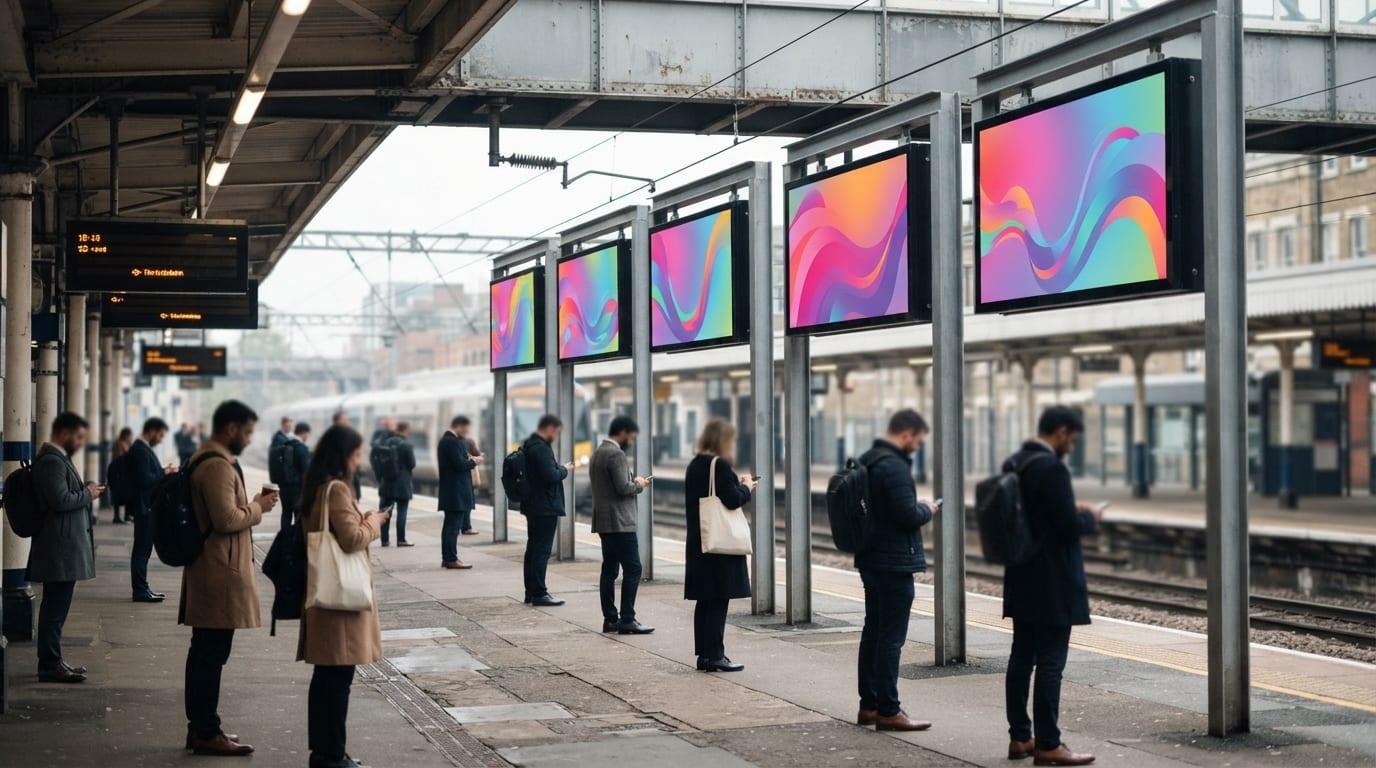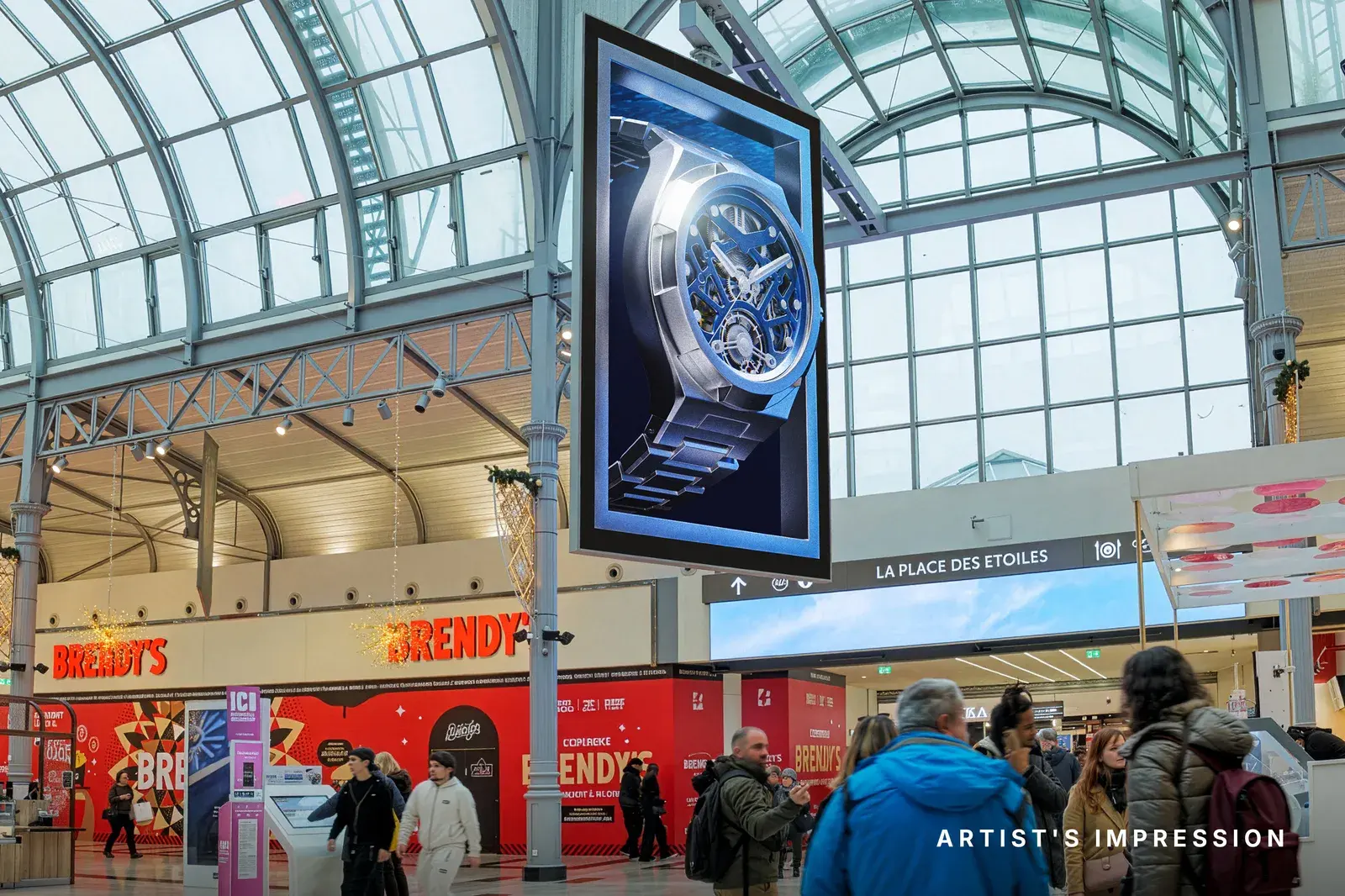
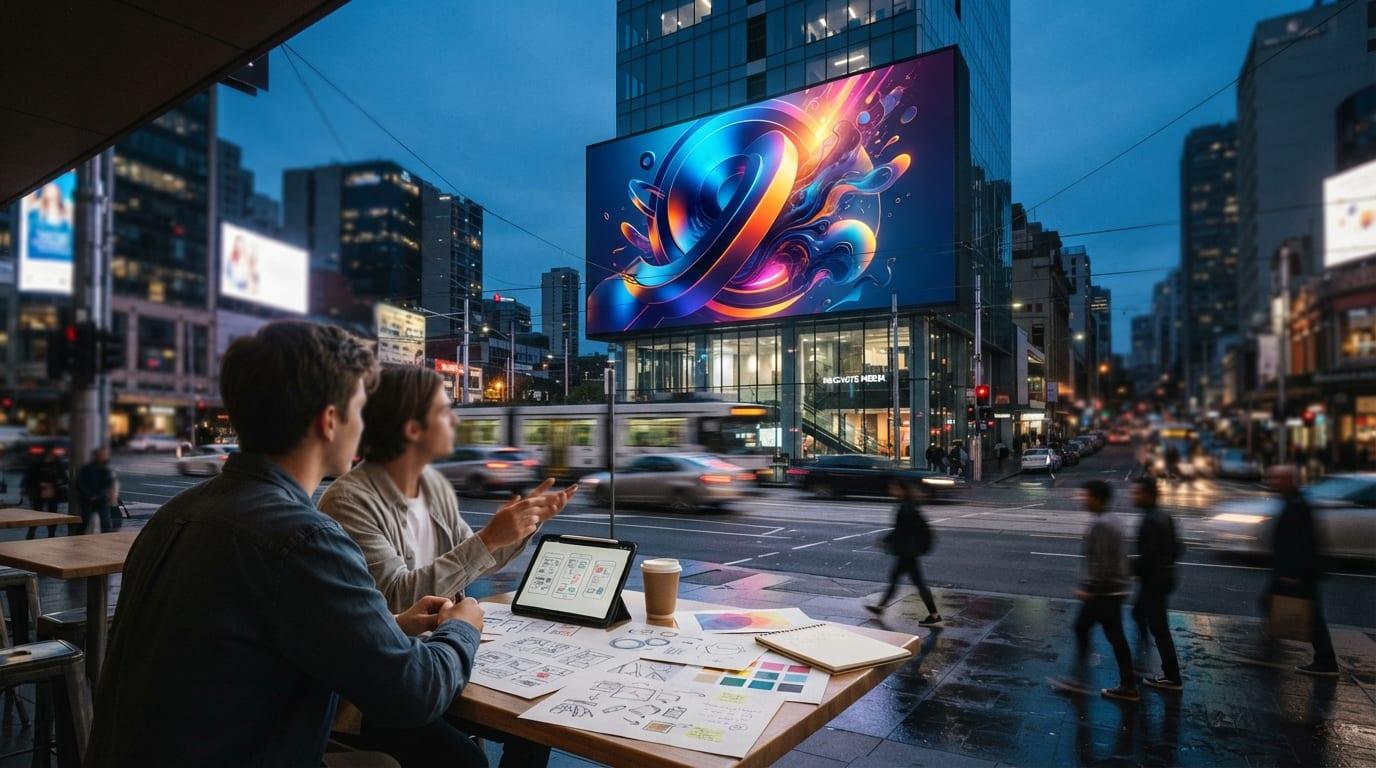

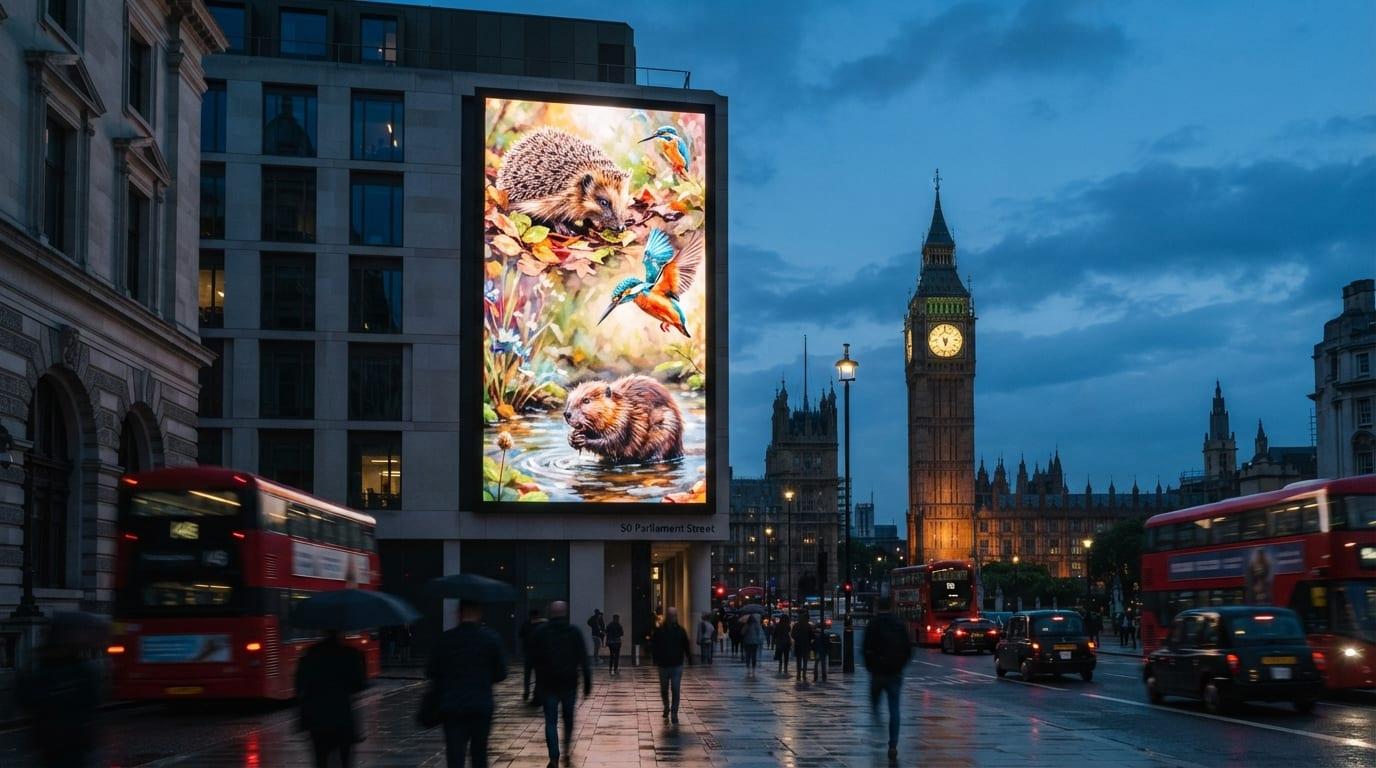
Competitions can sometimes feel distant from daily media planning, but Ocean’s Digital Creative Competition is different because it functions as a live brief for modern DOOH. The official page emphasizes that the competition is about the birth of new ideas and the use of premium digital out-of-home as a catalyst for bold concepts.
That focus matters because too much OOH creative is still developed as an afterthought. A social or video idea gets resized, a poster becomes cluttered, or a digital screen ends up being used like a passive slideshow. Competitions built around the medium reverse that pattern and ask creatives to begin with the possibilities of public display.
For marketers, the value is not limited to entering the contest. Reading the competition framing helps teams think more clearly about what makes DOOH worth buying in the first place. Does the idea rely on place? Does it gain power from motion, scale, context or multiple screens? Is there a public reason for it to exist?
The competition also highlights an important strategic point: premium digital inventory is at its best when the creative ambition matches the media ambition. If a client pays for high-profile screens but delivers generic assets, much of the value is lost. Good DOOH requires the creative to work as hard as the media plan.
In that sense, Ocean’s competition is not just an awards mechanic. It is a useful filter for anyone trying to distinguish between an ordinary outdoor ad and a genuinely outdoor-first idea.
What this means for advertisers
The practical value of this story is not just the headline. It gives advertisers a clearer view of how OOH inventory is being packaged, how audience context affects value, and how creative and timing can materially change the effectiveness of a campaign. For Billboard Guide readers, the useful habit is to read each story as planning intelligence: what does it suggest about inventory quality, commercial timing, audience behavior or creative standards?
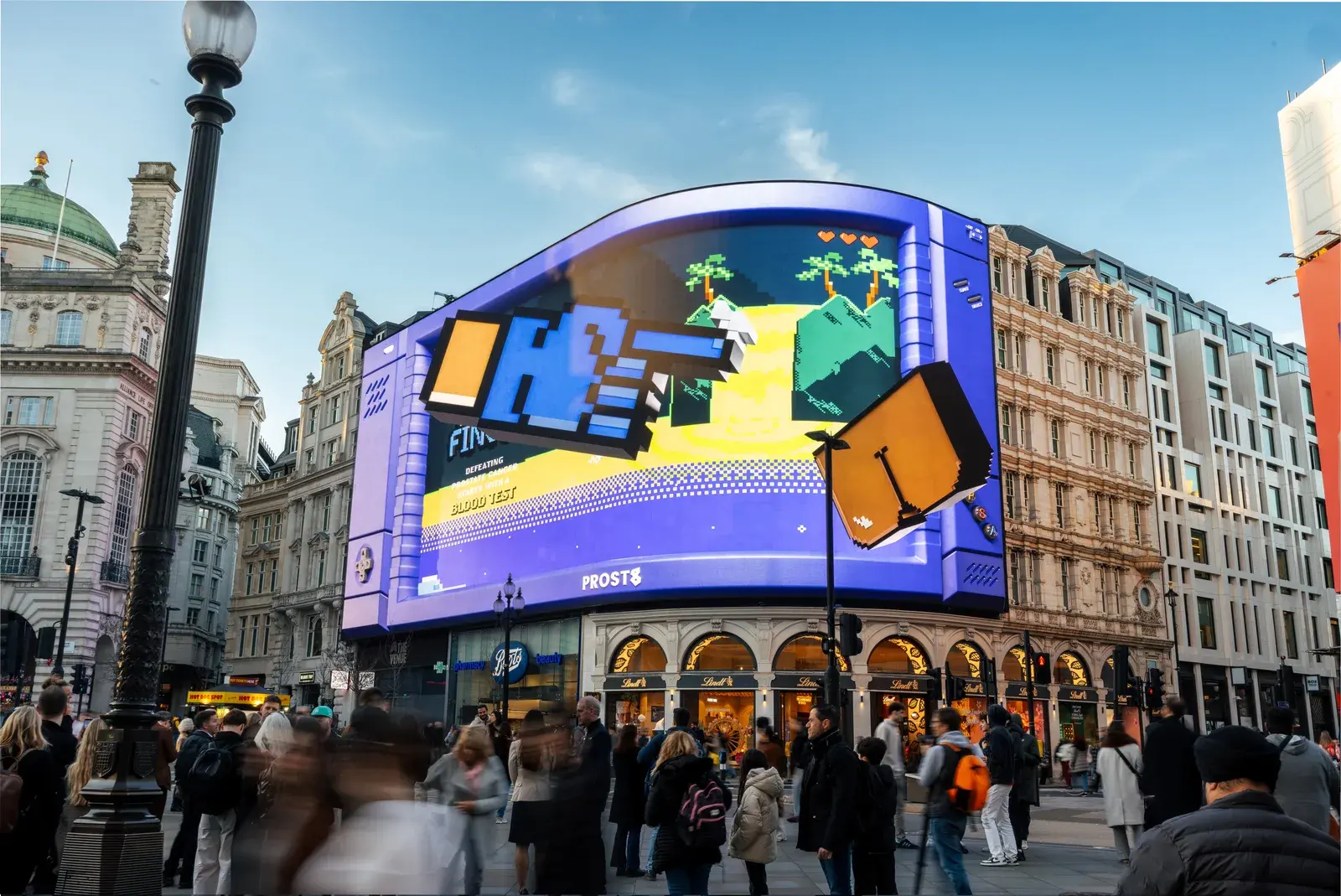
 London