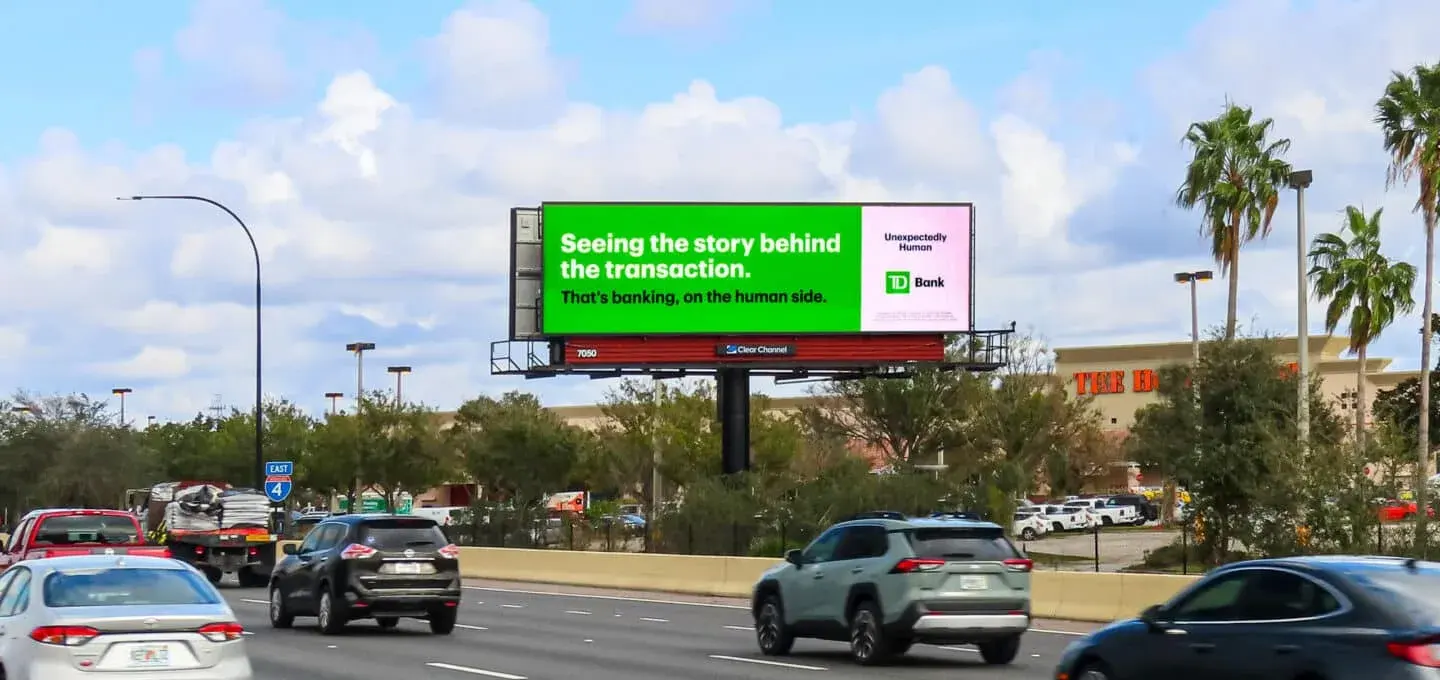


The OAAA and Kochava study is important because it addresses one of the most persistent misconceptions about outdoor advertising: that it is only good for awareness. The research says campaigns using OOH delivered a median lift of 20% for in-person outcomes and 14% for digital outcomes, versus roughly 10% for both connected TV and broadcast TV. That is not a small edge. It changes the media conversation.
Performance-minded advertisers often overlook outdoor because the channel has historically been harder to measure in the same language as digital. But if OOH is consistently generating measurable lift across both physical and digital outcomes, it becomes much easier to justify as part of a performance mix rather than a branding luxury.
The frequency finding is equally useful. Studies like this are most valuable when they move beyond top-line claims and explain the mechanics. If sustained exposure or well-managed repetition contributes to stronger outcomes, then planning quality matters. A weak plan can understate the medium’s potential; a well-constructed plan can unlock it.
For Billboard Guide readers, the takeaway is not that OOH beats every other channel in every situation. It is that the medium should no longer be dismissed as unmeasurable or purely upper-funnel. Brands that care about store visits, site traffic, app activity or other tangible outcomes should at least test it seriously.
As measurement frameworks improve, the divide between brand OOH and performance OOH will likely continue to narrow. The winning marketers will be those who know when to use the medium for scale, when to use it for action, and how to measure both appropriately.
What this means for advertisers
The practical value of this story is not just the headline. It gives advertisers a clearer view of how OOH inventory is being packaged, how audience context affects value, and how creative and timing can materially change the effectiveness of a campaign. For Billboard Guide readers, the useful habit is to read each story as planning intelligence: what does it suggest about inventory quality, commercial timing, audience behavior or creative standards?