
28 September 2026 edition | Amsterdam, Netherlands
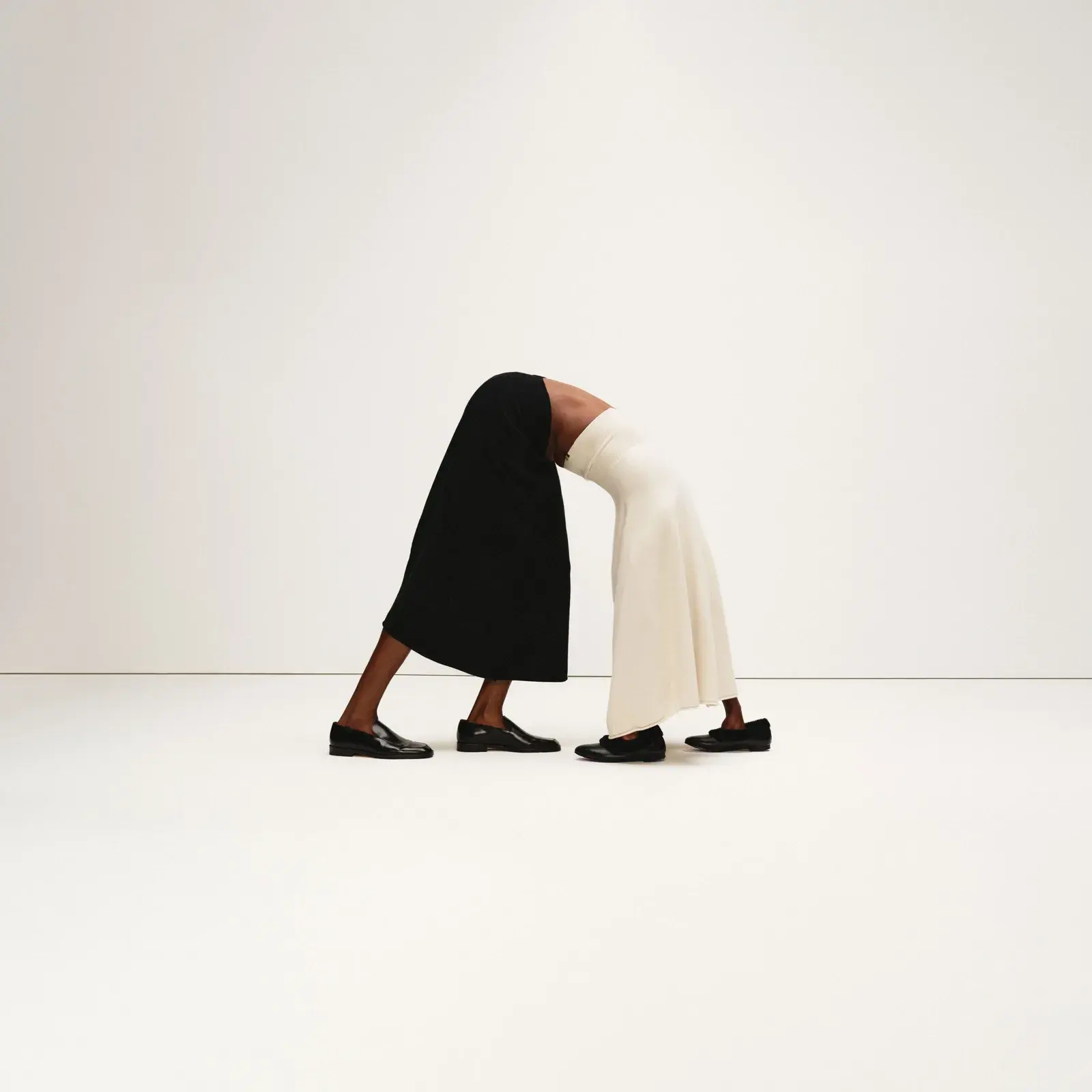
De Balie’s September campaign with Dawn puts the value of challenging ideas into Amsterdam’s outdoor advertising. Under the English-language platform “Why make it easy?”, the cultural venue uses provocative messages and surreal photography to invite audiences into debate.
The work was already covered by Adformatie on 16 September; it is a September campaign, rather than a launch being announced on this edition date.
An invitation built around the venue’s identity
LBB’s campaign coverage describes a city-wide rollout with photography by Woody Bos and Anna Claassen. De Balie’s own season announcement credits Dawn Amsterdam and the same photographers, and uses the Dutch line “Waarom makkelijk doen?”
Neither reference provides a verified inventory schedule or evidence of increased attendance.
Why this is relevant to cultural advertisers
BillboardGuide’s analysis: Cultural venues often have several competing things to communicate: an institution’s identity, a changing programme and the details needed to book a visit. An outdoor campaign can become crowded if it tries to carry all three at once.
The planning question raised here is whether a strong institutional proposition can create interest before individual events are introduced. A venue can use outdoor advertising to explain the kind of experience it offers, while its programme pages carry dates, speakers and ticket information.
That division needs to be intentional. A viewer should understand the brand and the invitation without needing to decode an abstract image or search through a full event calendar. Provocation can attract attention, but the advertisement still needs a clear connection to the organisation behind it.
Match the design to the Amsterdam environment
BillboardGuide’s Amsterdam advertising guide gives buyers local context for evaluating a proposal. For a similar cultural campaign, the media brief should identify the audiences and journeys that matter to the venue before selecting locations.
A neighbourhood poster, transit placement and larger display offer different viewing conditions. The creative team should review the actual unit specifications and decide how much copy each execution can support. Surreal photography needs enough visual clarity for its main idea to survive a brief glance.
The creative checklist can help organise that review. Test brand recognition, text hierarchy and contrast at the expected viewing distance. If the first thing a viewer notices is the image, check whether the venue’s name remains easy to find.
Build a route from curiosity to participation
For another venue, a practical next step would be a landing page that carries the same campaign idea and introduces a small selection of relevant programmes. That would give interested viewers a manageable route from the outdoor message to an actual visit.
The measurement brief should define which outcome matters: awareness of the venue, programme-page visits, ticket interest or attendance. Posting photographs can verify display, while audience research or booking data would be needed to investigate response. Attribution should account for the venue’s other marketing activity.
Advertisers comparing approaches can use BillboardGuide’s outdoor format guides to shape their questions. De Balie’s work offers a creative reference for expressing a cultural identity in public space; its commercial effectiveness would require separate evidence.