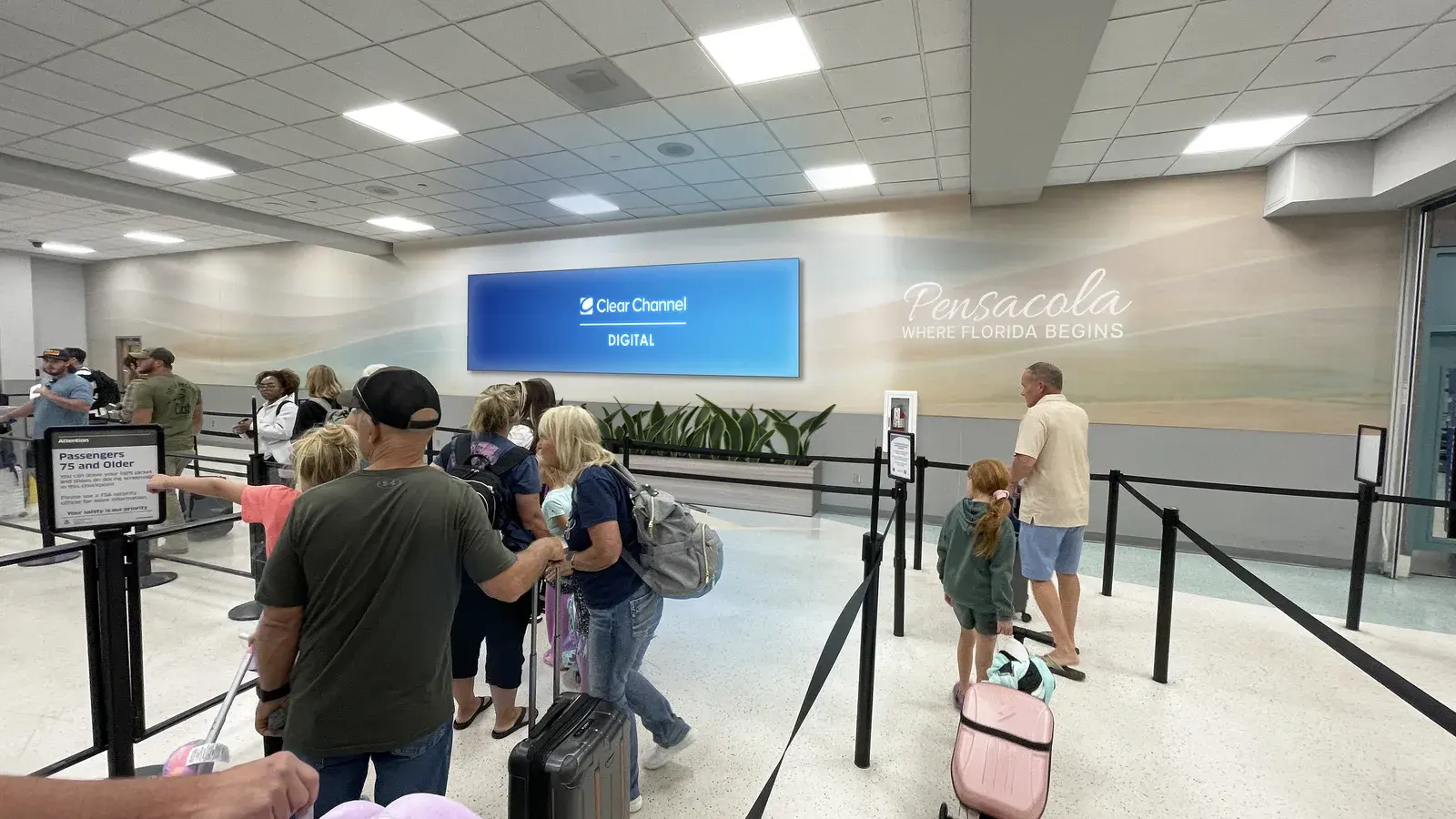


Clear Channel’s latest quarterly release offers two different stories at once. The first is straightforward operating performance: the company reported consolidated revenue of $438.0 million for the second quarter, up 8.7% year over year, with America revenue up 7.0% and Airports revenue up 14.0%. The second is portfolio strategy: the company also confirmed completion of the sale of its Spain business for approximately $132.3 million and said the net proceeds are intended to further reduce debt.
Taken together, those developments make the quarter more interesting than a standard earnings update. Outdoor operators are not just media sellers; they are owners and managers of physical networks that require capital discipline. Asset sales, debt reduction and operating focus can shape how aggressively an operator invests in digitisation, measurement and client service.
For advertisers, the balance-sheet angle can feel distant, but it matters. When an operator improves financial flexibility, it may be better positioned to maintain premium inventory, expand digital infrastructure or sustain contract renewals. In a business tied to long-term municipal agreements and physical installations, capital structure is part of the product story.
The release also reinforces the continuing importance of airport media. While much industry conversation focuses on roadside digitisation and programmatic trading, airport environments remain a meaningful growth and prestige segment. They bring together dwell time, premium audiences and a brand-safe setting that many national advertisers still value highly.
The broader takeaway is that operator news should be read through a buyer lens. Revenue growth, network focus and debt reduction are not only investor topics. They influence the shape, availability and commercial confidence of the inventory advertisers will be buying.
What this means for advertisers
The practical value of this story is not just the headline. It gives advertisers a clearer view of how OOH inventory is being packaged, how audience context affects value, and how creative and timing can materially change the effectiveness of a campaign. For Billboard Guide readers, the useful habit is to read each story as planning intelligence: what does it suggest about inventory quality, commercial timing, audience behavior or creative standards?