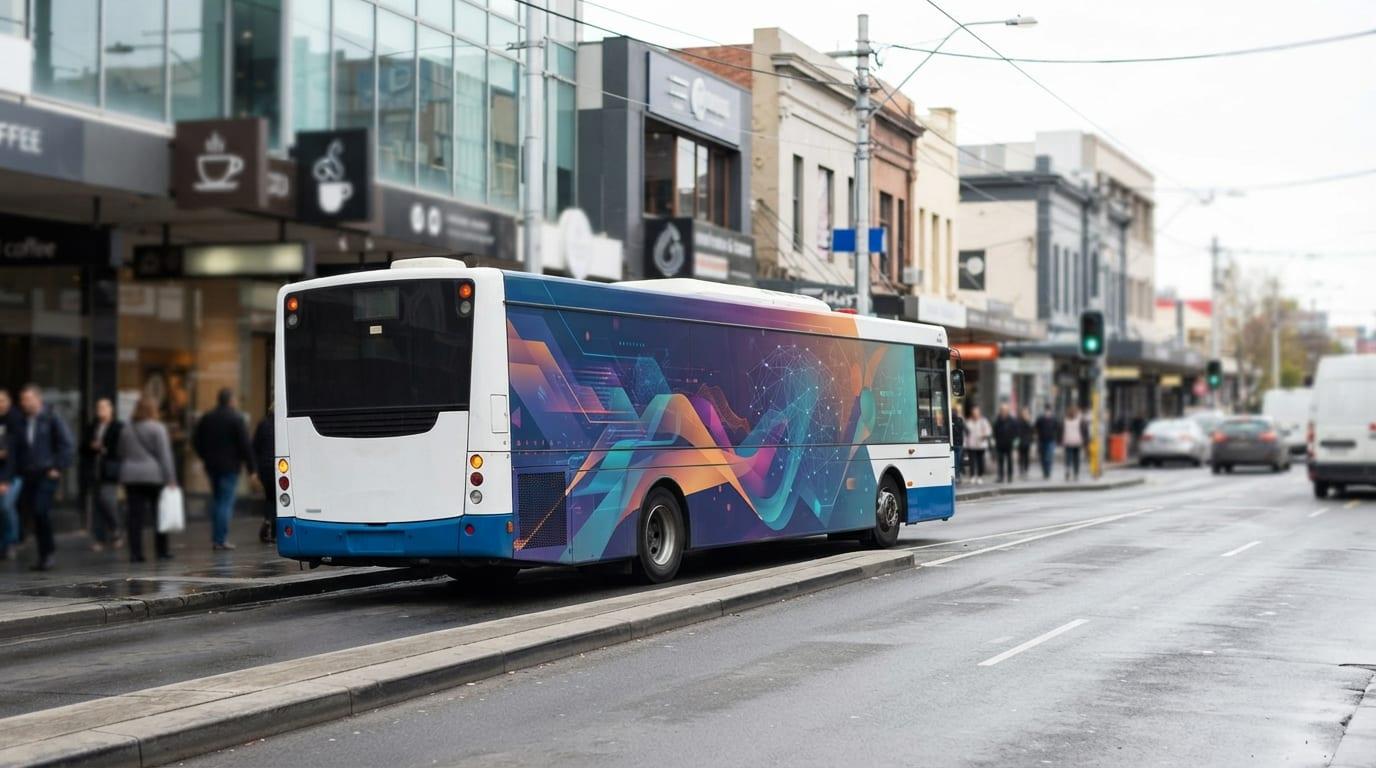


A8 Media has launched Signal, a proprietary digital out-of-home (DOOH) planning and campaign insights platform. The company statement is dated 9 September 2026 and was published by AdTech Edge on 10 September.
A8 says Signal combines audience and location information with optional inputs such as customer, search, mobile movement and previous campaign data. It is intended to help its team select relevant locations and screens, then review campaign performance. Optional AI tools are also described.
These are announced capabilities. The release does not provide an independently verified comparison demonstrating improved campaign results.
Start with the audience’s locations
BillboardGuide’s assessment is that the useful planning question is how evidence about customers changes the inventory shortlist. A city-wide brief and a brief focused on specific customer locations can lead to different purchases, even with the same overall budget.
Consider a hypothetical retailer launching in a limited service area. A planner could first identify the places relevant to those customers, then assess whether suitable screens are available. That approach needs a physical review as well as a data match: a screen close to a relevant location may still face the wrong direction or offer poor visibility.
The point is to make the reason for each placement explicit. A map with many highlighted screens is less useful than a shortlist explaining why each location supports the campaign objective.
Data inputs need an explanation, not just a label
Customer information, search activity and movement estimates describe different behaviors. Before treating them as interchangeable evidence of demand, buyers should understand what each dataset measures and how current it is.
For a data-informed brief, request answers to these questions:
- What population does each dataset represent?
- How recently was it updated, and at what geographic resolution?
- Which inputs are observed and which are modeled?
- How does the planning team handle missing or conflicting information?
- How will any advertiser-supplied data be processed and governed?
- What changes would lead the team to recommend a different screen list?
The last question helps make the planning logic reviewable. If no plausible change in the inputs would alter the recommendation, it is worth asking what role the data is actually playing.
Keep optimization connected to the brief
A campaign can be optimized against several measures, but those measures should be chosen before activity starts. A launch intended to build awareness needs a different evaluation from a promotion intended to support visits to particular stores.
Delivery reports can indicate whether the purchased schedule ran. Audience estimates can help describe exposure. Neither alone establishes the effect on sales or brand recognition.
BillboardGuide’s analysis of metrics beyond impressions and its StreetMetrics frequency coverage provide useful context for assessing what the campaign reached and how exposure was distributed.
A practical test for planning tools
For an advertiser considering a data-led proposal, ask the planner to show the recommendation with its assumptions attached: target audience, relevant locations, eligible inventory, proposed schedule and measurement approach.
Then compare it with an alternative plan built around the same objective and budget. The comparison should make trade-offs visible, including geographic coverage, repetition, creative flexibility and total cost. A planning platform adds value when it helps explain those choices clearly.
Signal’s launch is a development in A8’s planning workflow. The next evidence to watch is whether campaign reporting shows how the selections influenced delivery and outcomes. Advertisers preparing a brief can use BillboardGuide’s media planning service to define the objective and evaluation criteria before reviewing inventory.