

An anonymous outdoor campaign in West Cairo, Egypt, is using cyan-blue billboards and short summer messages without identifying the advertiser behind them.
INSITE OOH’s report dated 13 September 2026 documents executions including “Summer’s Over?” and “Ours Isn’t”. The photographed creative carries no advertiser name, logo or identifiable product image. At the reporting cutoff for this edition, the campaign owner remains unconfirmed.
The observed location is West Cairo. That establishes where the creative was reported, rather than the location of a product or destination being promoted. The available evidence does not identify the advertiser’s business category, media spend or planned reveal date.
Plan the handover from mystery to brand
For an advertiser considering a teaser, the reveal should be part of the brief before the first boards are installed. A practical handover plan identifies which visual element continues, when branded creative replaces anonymous assets and what viewers can do after learning the name.
It should also account for people whose first exposure comes during the reveal. They need a complete proposition without having to reconstruct the earlier mystery. Conversely, people who remember the teaser need enough continuity to connect it with the advertiser.
BillboardGuide’s coverage of Element’s Laila reveal after a West Cairo teaser provides a separate example of a name-led teaser moving into an identified proposition. It does not establish any connection between Element and this summer campaign.
Keep the location brief precise
The West Cairo setting should guide how a comparable campaign is planned, but the district label alone does not describe its audience or delivery. Buyers need the actual faces, viewing conditions and posting dates to assess what they are purchasing.
For a two-phase campaign, that asset list should show which placements carry the teaser and which will carry the reveal. Changes in footprint can make it harder to establish whether the same audience had an opportunity to see both phases.
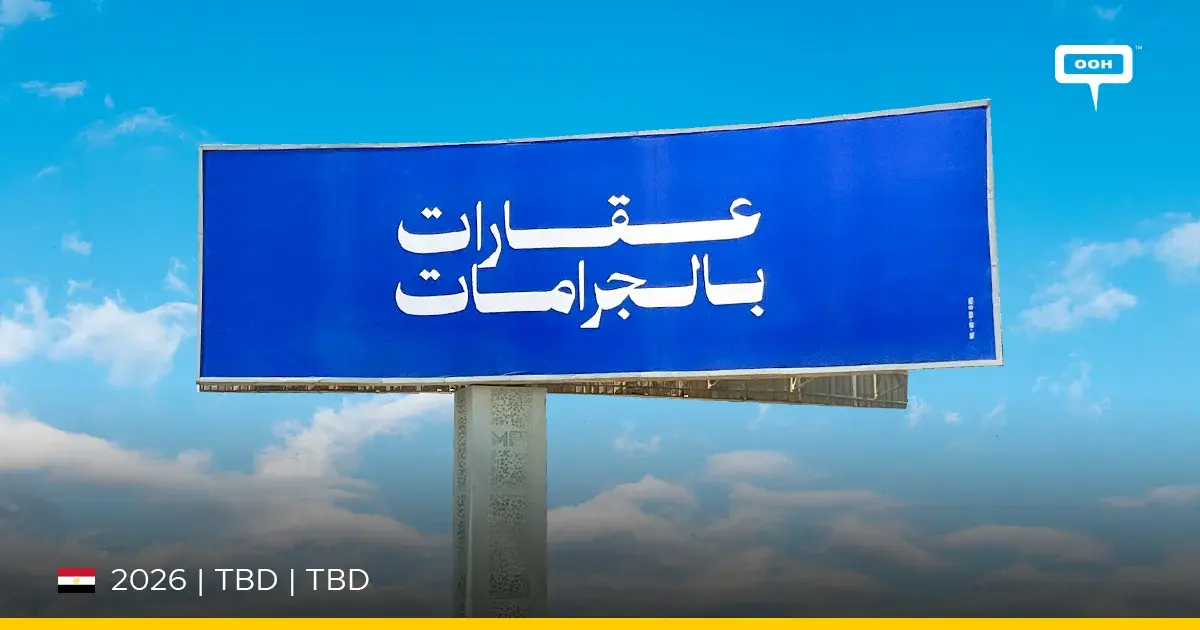
BillboardGuide’s earlier “Real Estate by the Gram” mystery billboard article offers another Egyptian anonymity-led creative reference. Its distinct wording and campaign identity should remain separate from this story.
Measure recognition after the advertiser appears
A teaser evaluation should distinguish remembering the creative from knowing who paid for it. Those outcomes can diverge when the first phase deliberately withholds the brand.
For another advertiser, a useful research design could ask respondents what message they remember, which advertiser they associate with it and whether that association changes after the reveal. Search activity may provide an additional signal, but queries about an unidentified billboard do not automatically demonstrate commercial intent.
These are proposed evaluation methods, not campaign results. No independently verified recall, search-lift or conversion figures are established by the cited report. BillboardGuide’s guide to OOH metrics beyond impressions provides a framework for choosing evidence appropriate to each objective.
The next reportable development would be an attributable advertiser reveal or confirmed offer. Until then, the summer billboards remain a documented West Cairo teaser with an unresolved identity.