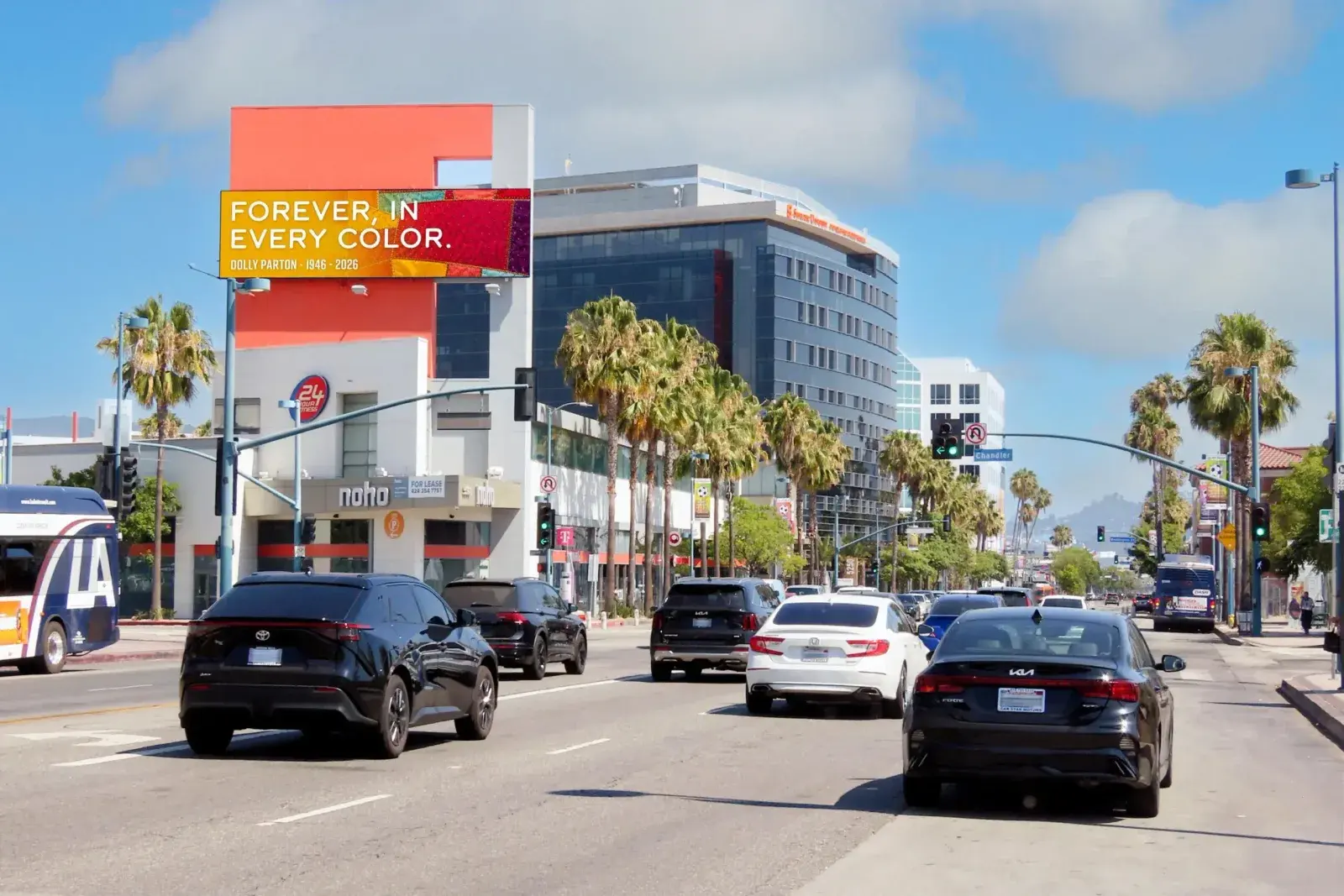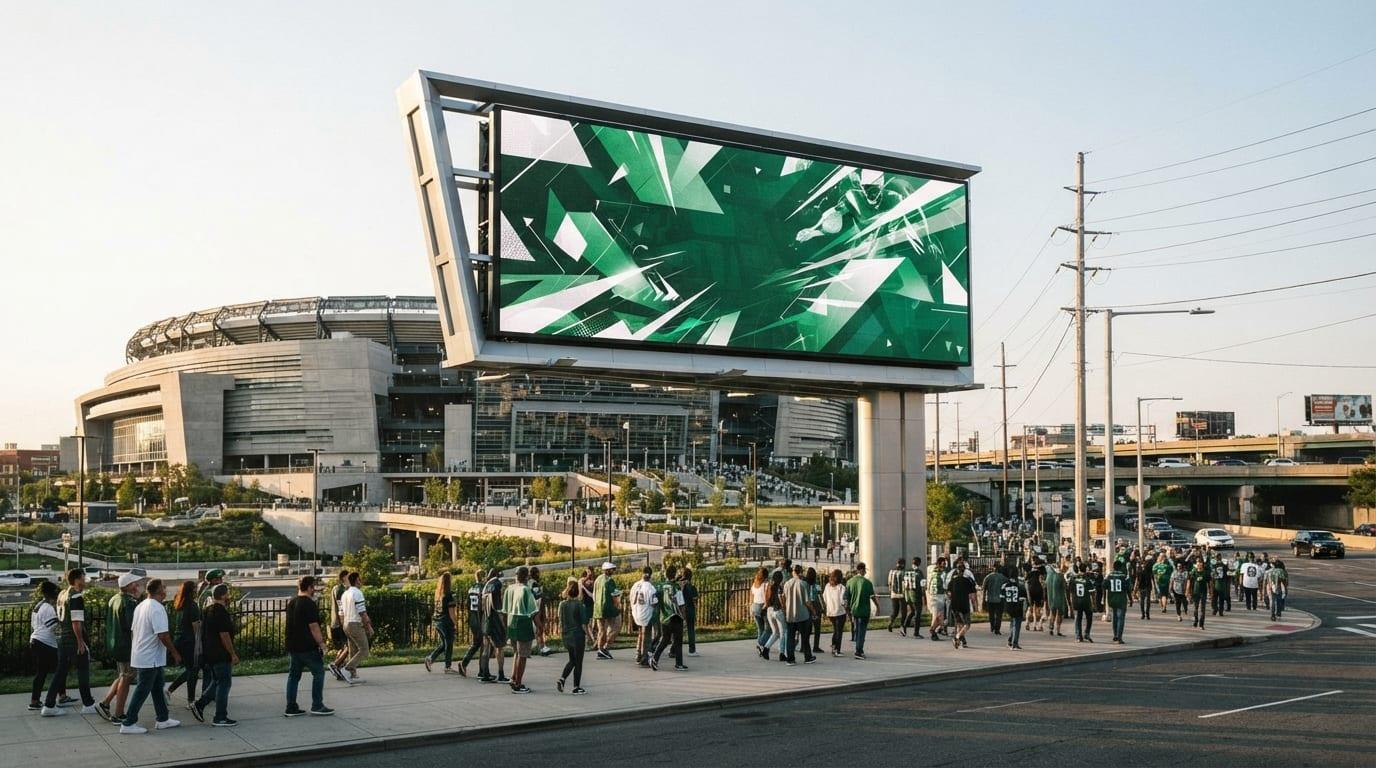
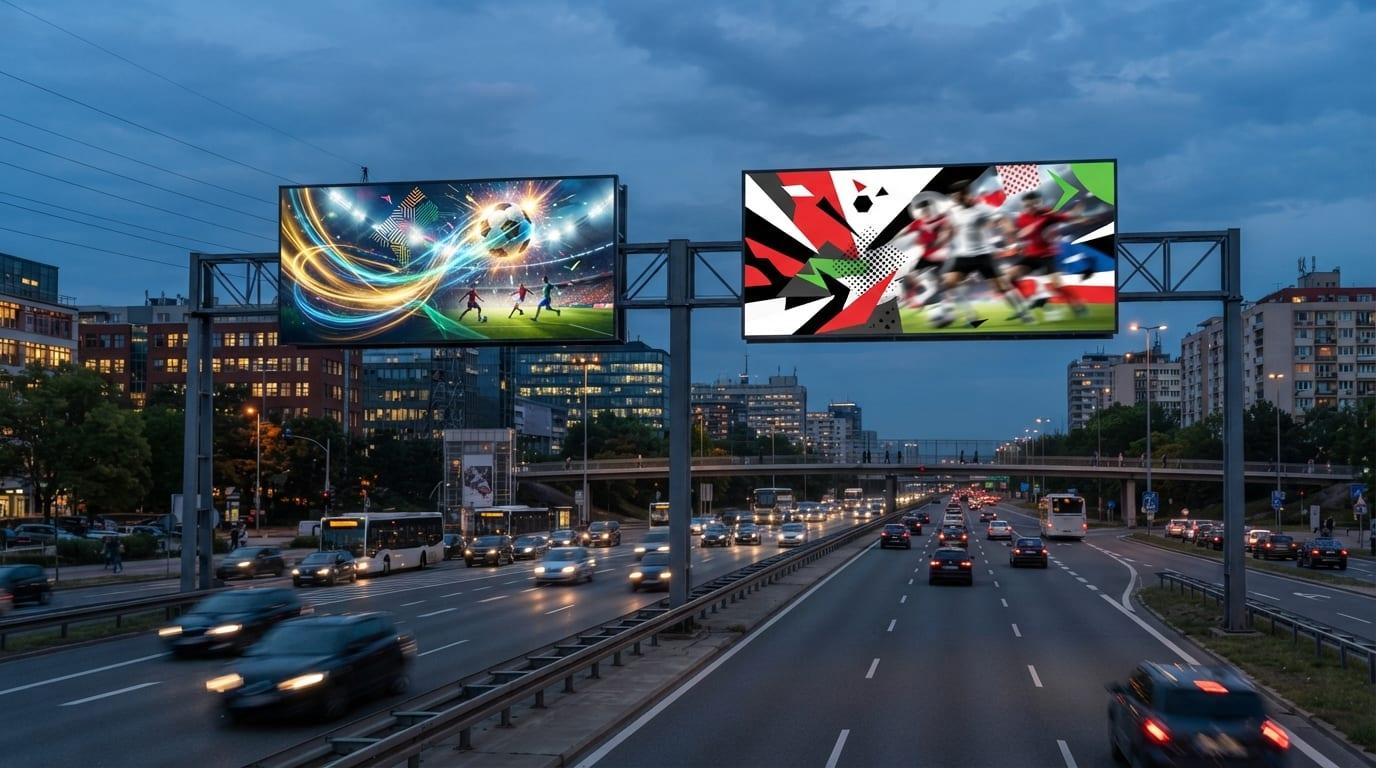

The most useful detail in OUTFRONT’s quarterly report may be the one most readers could easily miss: the billboard segment itself reported revenue of $379.4 million, up 8.0% year over year. The company attributed that to higher average revenue per display, including the impact of programmatic and direct sale advertising platforms on digital billboard revenues, as well as revenue related to the 2026 FIFA World Cup.
That combination tells us several things about the market. First, digital yield still matters enormously. It is not enough to own a digital screen; operators need to monetize it intelligently. Second, event-driven demand continues to create spikes of value around globally relevant occasions. Third, programmatic is becoming part of mainstream revenue composition rather than a side narrative.
For advertisers, the result reinforces why premium digital boards can be expensive during major cultural moments. If event-linked demand and improved digital monetization are both strengthening operator yields, buyers should expect that high-visibility inventory will remain strategically priced, not simply sold like commodity media.
This also strengthens the case for earlier planning. When major events influence demand, last-minute buyers may find the best inventory harder to access or more costly. Strategic planners who know the cultural calendar can secure placements with better precision and avoid reactive buying.
From a category perspective, the report adds evidence that large-format digital OOH is increasingly being bought like a flexible, high-impact communications channel rather than a static poster replacement. That has implications for budgeting, creative timelines and measurement expectations.
What this means for advertisers
The practical value of this story is not just the headline. It gives advertisers a clearer view of how OOH inventory is being packaged, how audience context affects value, and how creative and timing can materially change the effectiveness of a campaign. For Billboard Guide readers, the useful habit is to read each story as planning intelligence: what does it suggest about inventory quality, commercial timing, audience behavior or creative standards?