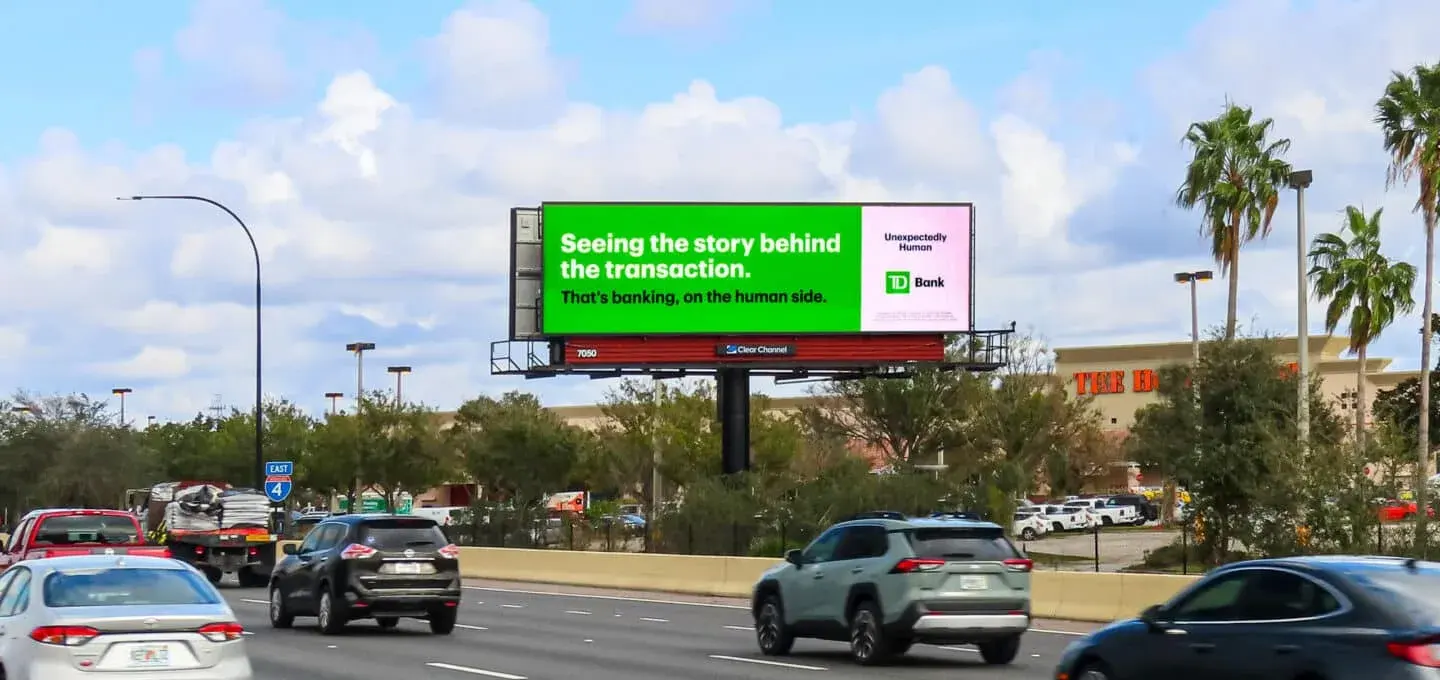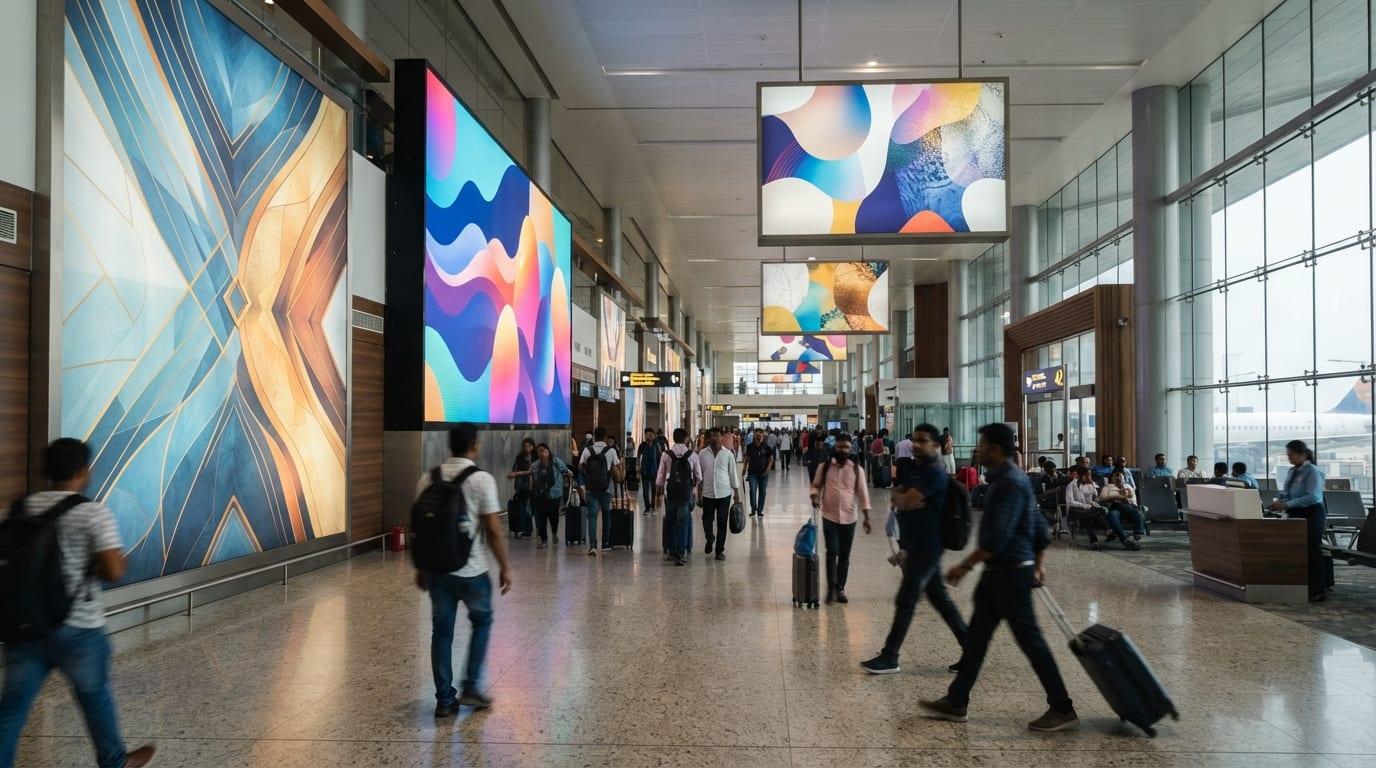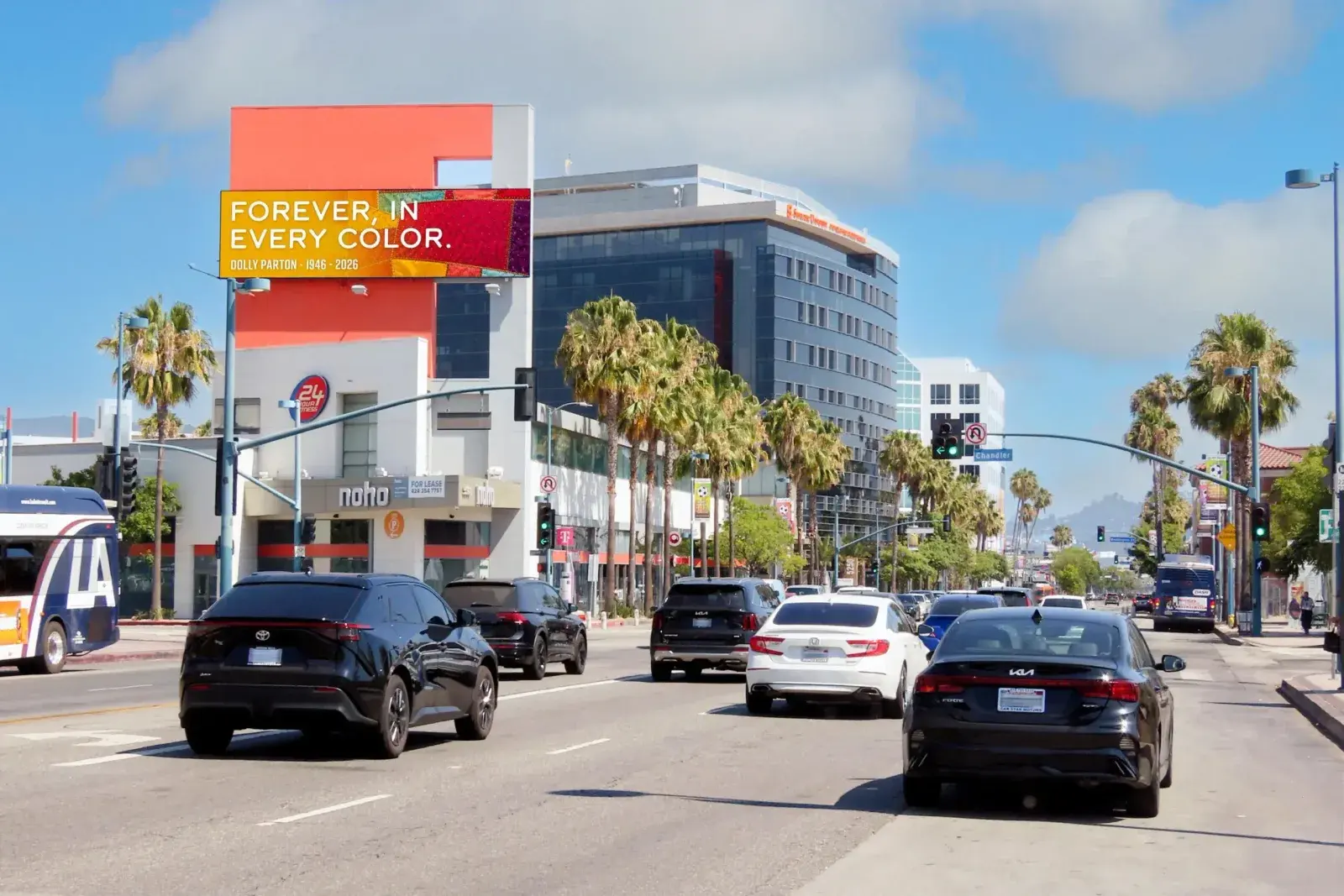
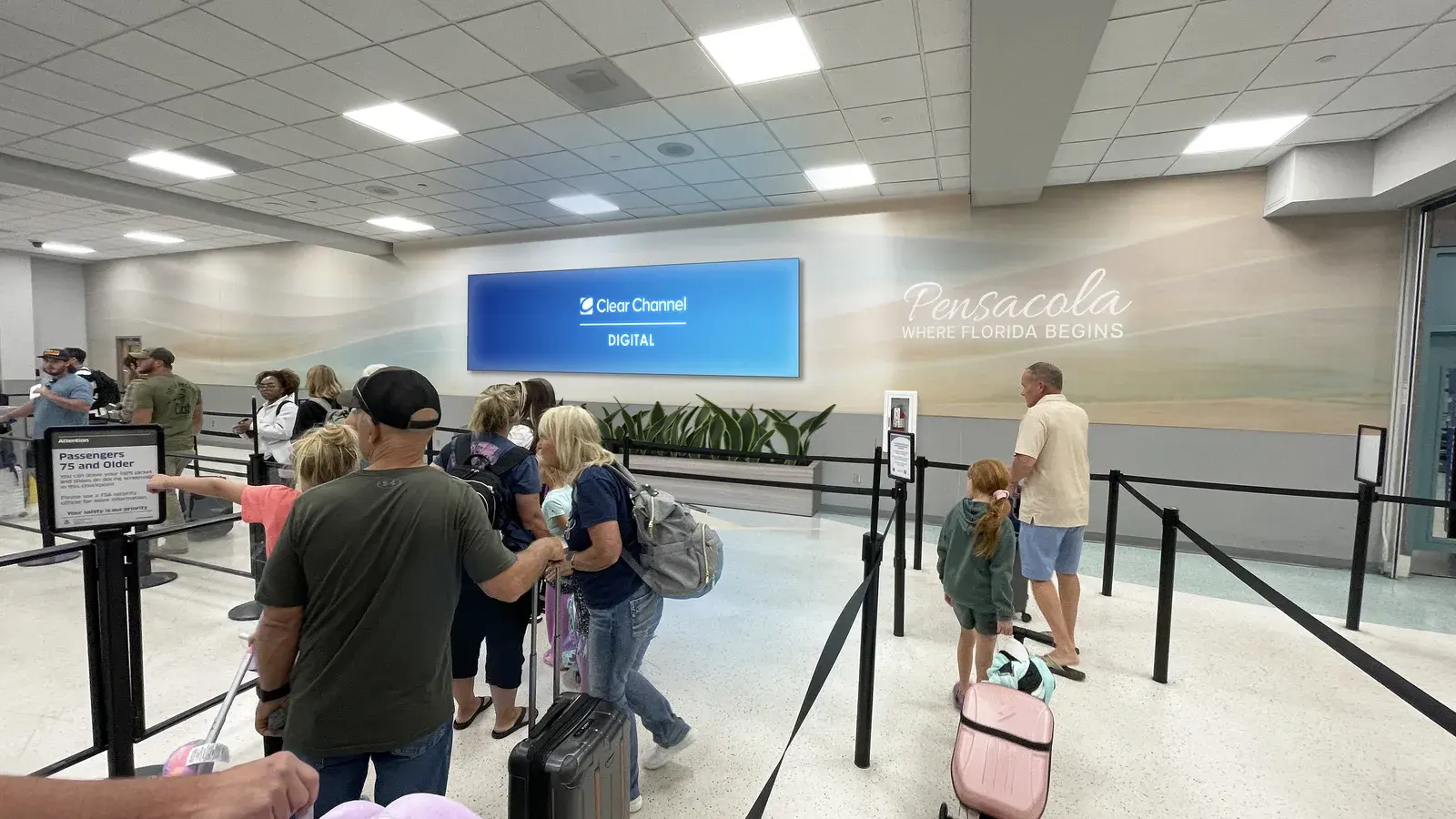

Clear Channel Outdoor’s Airports Division has been selected to manage advertising at Pensacola International Airport (PNS) in Florida, with a programme intended to upgrade terminal media and introduce new sponsorship opportunities.
The company’s announcement dated 15 September 2026 says the appointment follows a competitive selection process. The airport has managed advertising in-house since 2018.
Planned formats include LED video walls, a digital concourse network, branded terminal environments, tension-fabric displays and charging-station sponsorships. These are announced programme components; the release does not give a complete installation timetable or a bookable inventory schedule.
A concession change creates a new buying conversation
BillboardGuide’s interpretation is that the immediate commercial development is a change in responsibility for the advertising programme. For an advertiser, the practical next step is to establish what the new concessionaire can sell for the intended campaign dates.
A proposal should identify the available assets, the party responsible for delivery and the terms governing any transition. Buyers with existing commitments should ask how those commitments will be handled rather than assume that a new appointment automatically changes every booking.
BillboardGuide’s airport advertising format guide provides a reference for framing that conversation across terminal displays, passenger-journey packages and sponsorships.
Map the passenger journey before choosing a format
An airport brief should start with the encounter the advertiser wants to create. A message directed at arriving visitors has a different purpose from one intended for passengers waiting to depart.
For Pensacola, the proposed mix gives buyers several types of opportunity to investigate. The relevant questions are the location of each unit, its visibility, the direction of passenger movement and the time available to understand the message.
The same creative should not be approved solely because it fits the pixel dimensions. A placement mock-up should show whether the brand and central proposition remain clear at the expected viewing distance. Supporting information belongs only where the encounter can accommodate it.
Sponsorship needs a separate specification
A sponsorship proposal should explain exactly what the brand receives. That includes the physical branding, digital content if included, campaign period, maintenance responsibilities and any category exclusivity.
For an amenity-related sponsorship, a buyer should also establish how the experience will operate during the flight. The proposal needs a clear treatment of downtime and what happens if the amenity or its surrounding area becomes unavailable.
Those details make sponsorship packages easier to compare. A general promise of premium exposure provides less useful information than a named installation with defined rights and delivery evidence.
Confirm the operating estate for the campaign dates
Planned upgrades make readiness a material part of the media brief. Advertisers should distinguish units already operating from assets still awaiting installation or approval.
For a campaign tied to a launch or seasonal date, ask for the delivery milestone and the substitution terms. A replacement elsewhere in the airport may serve a different passenger journey, so its suitability should be agreed in advance.
BillboardGuide’s digital billboard guide offers additional context for screen specifications and playback terms. It does not establish which technical settings or buying routes will apply at PNS.
Evaluate delivery at the placement level
An airport’s total passenger volume should not be presented as the audience for every advertisement. The campaign report needs to connect the booked units and dates with a documented audience methodology.
For digital media, request playback records and outage reporting. For installed branding, request dated photographs. Any claim about awareness or commercial effect then needs its own evaluation method.
These are suggested buying and reporting requirements, rather than results from the new Pensacola programme. BillboardGuide’s guide to OOH metrics beyond impressions helps distinguish proof of delivery from evidence of effect.