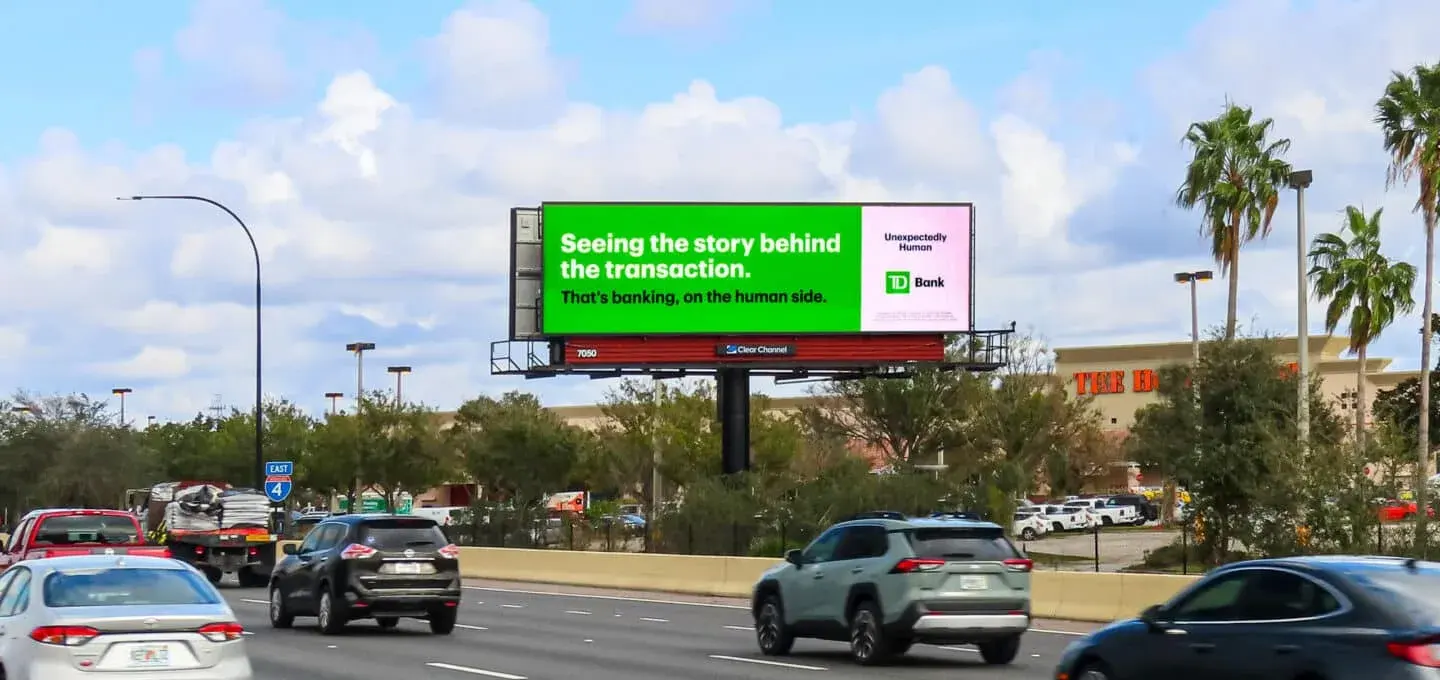

Purpose-led advertising is often discussed in abstract terms, but Clear Channel Impact tries to operationalize it within the OOH category. According to the company, the offering enables brands to turn existing advertising investments into support for nonprofit causes while still running full-scale media campaigns. That is a significant framing shift.
Traditionally, community-impact initiatives have sat alongside media rather than inside it. A sponsorship, a CSR program or a separate donation mechanism might exist, but the advertising buy and the social impact activity were often structurally separate. Clear Channel Impact proposes a more integrated model in which the media investment itself becomes part of the community narrative.
For advertisers, the appeal is obvious: it can align brand messaging, local relevance and measurable contribution without requiring a completely separate activation structure. For media owners, it is a way to make OOH more strategically distinctive at a time when many channels are competing on similar reach and data arguments.
There is also a cautionary note. Cause-linked media only works if it feels authentic and is clearly explained. If the community mechanism is vague or symbolic, the value may be limited. But if it is transparent and meaningful, outdoor’s public visibility can make the initiative feel more concrete than a private digital donation box.
Whether or not this specific model becomes widespread, it reflects a larger trend: OOH is increasingly being sold not only as exposure, but as a public platform with social as well as commercial potential.
What this means for advertisers
The practical value of this story is not just the headline. It gives advertisers a clearer view of how OOH inventory is being packaged, how audience context affects value, and how creative and timing can materially change the effectiveness of a campaign. For Billboard Guide readers, the useful habit is to read each story as planning intelligence: what does it suggest about inventory quality, commercial timing, audience behavior or creative standards?