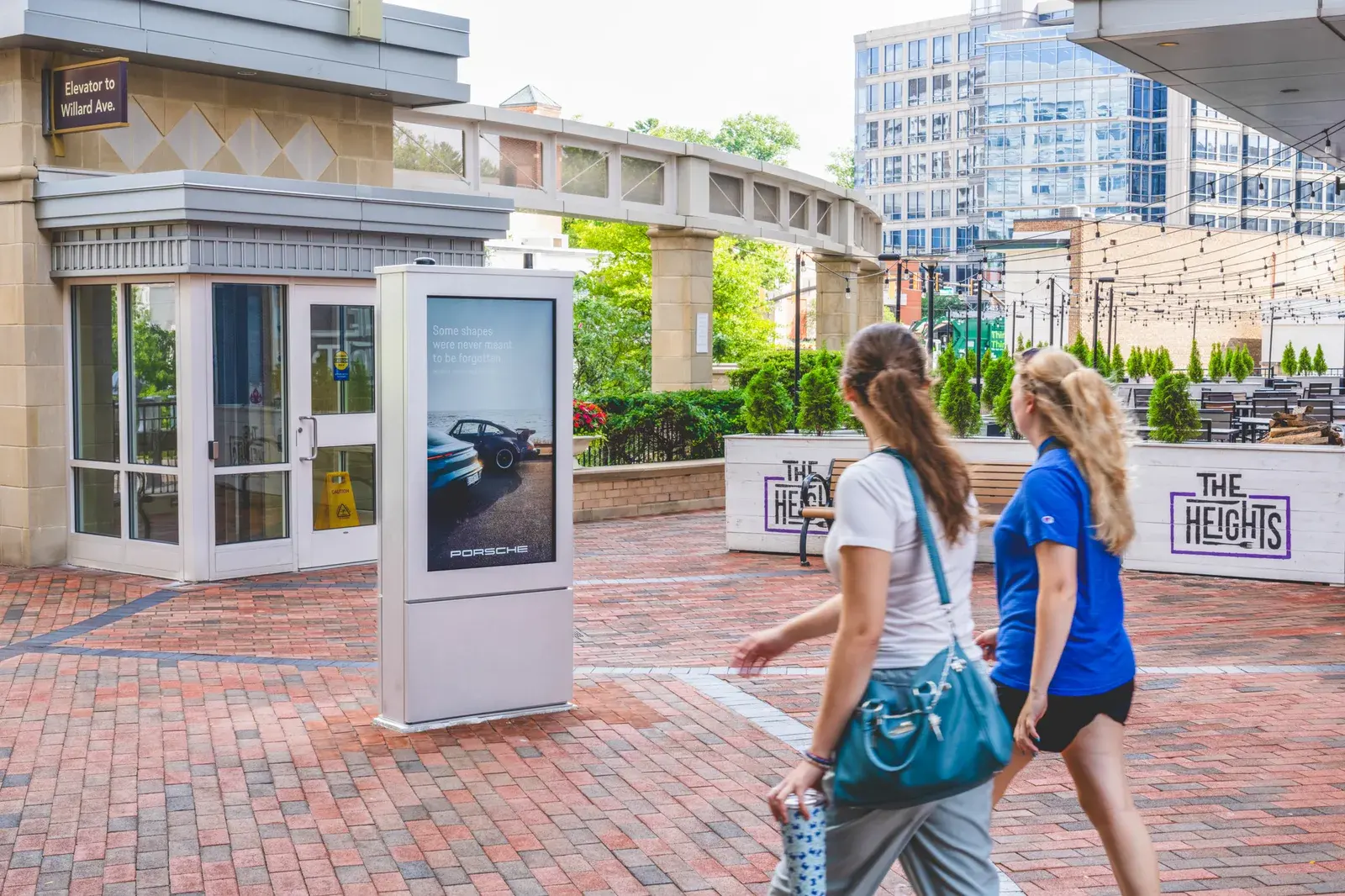
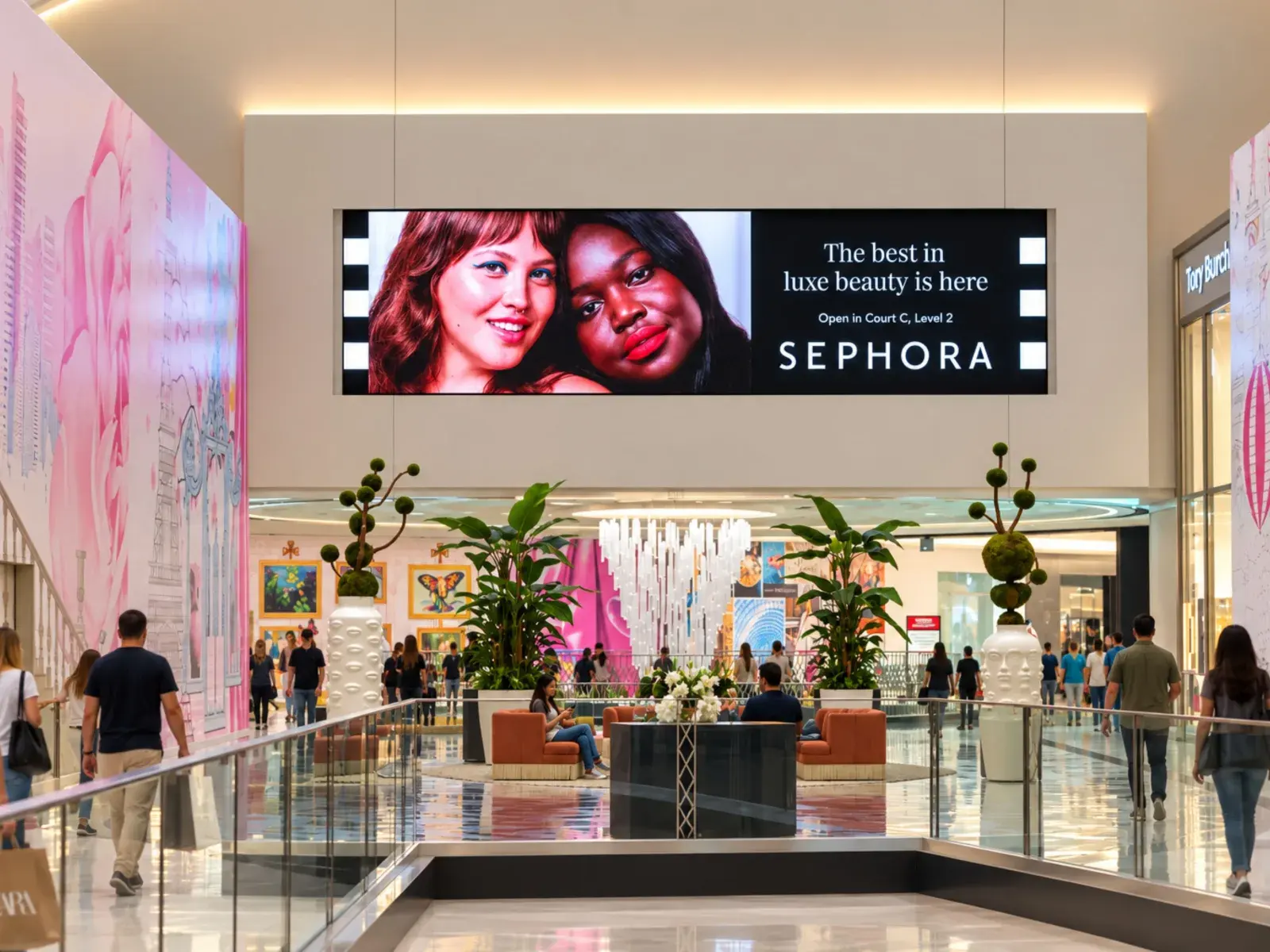

Screenverse announced the addition of Alchemy and Boldsite to its digital out-of-home (DOOH) portfolio on 9 September 2026, expanding its inventory across storefront and retail-entertainment environments.
According to the company announcement, Alchemy contributes 25 street-facing, 75-inch window panels across Manhattan, with more than 16 million reported monthly impressions. Boldsite brings a network of more than 150 screens at American Dream.
Screenverse also highlighted the previously added Primesight network: more than 200 window panels, with approximately 94% of its footprint across New York, Washington, DC, and Miami. Primesight is existing portfolio context, rather than a newly announced addition in this update.
Two additions, different planning jobs
BillboardGuide’s assessment is that the expansion is most useful when buyers treat the environments as separate planning opportunities. A sidewalk exposure and a screen encountered during a destination visit can contribute to the same campaign without serving the same purpose.
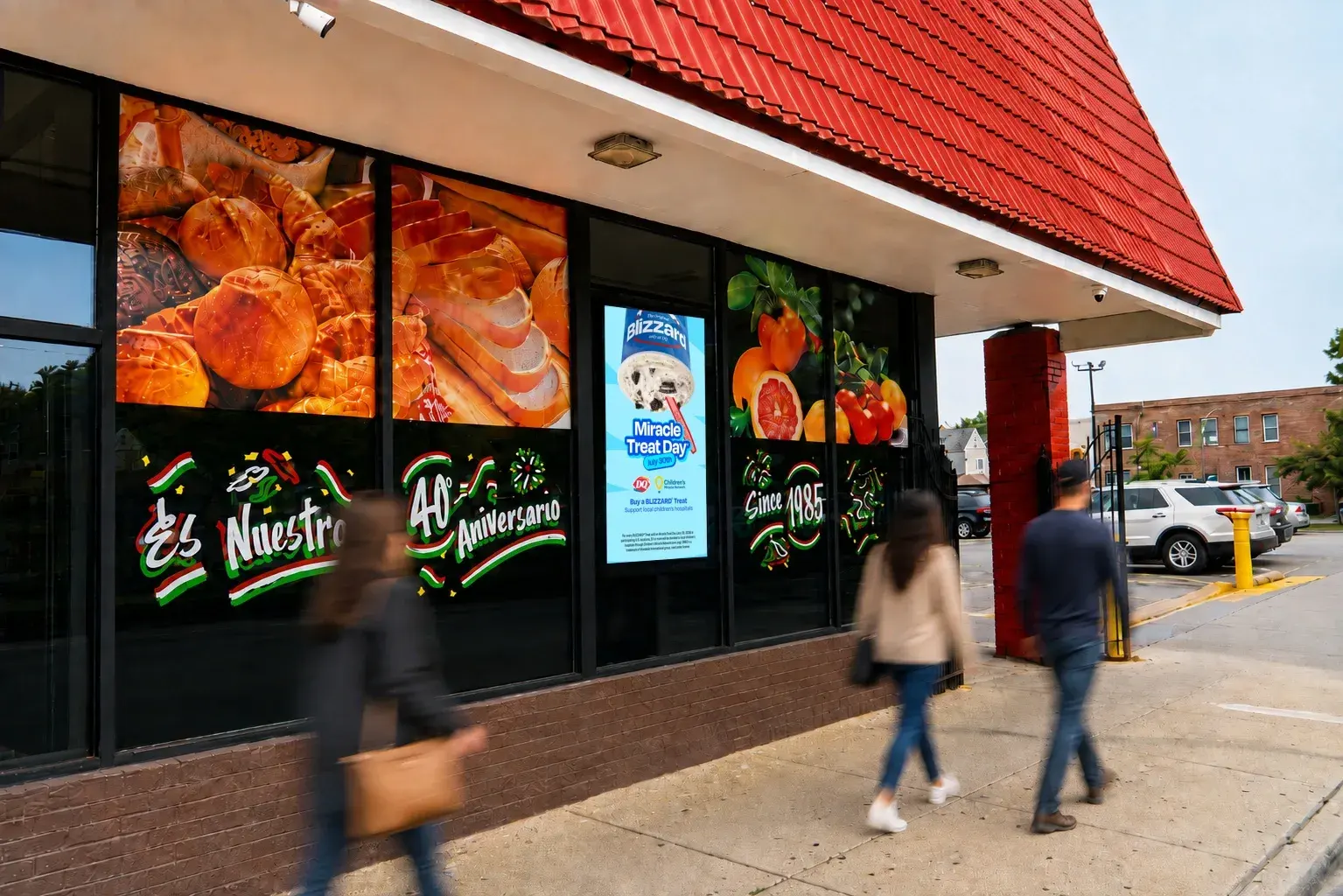
A storefront execution may need to communicate its entire message while a person walks past. A destination campaign could use several placements to reinforce one idea throughout a visit. Neither setting guarantees attention; the proposed screen list and viewing conditions determine what is realistic.
- Street-facing window panel — Potential campaign role: Local familiarity or a concise product message; Buyer’s first question: Is the display readable from the intended pedestrian route?
- Destination screen network — Potential campaign role: Reinforcement during a longer visit; Buyer’s first question: Which visitor routes and activities does the purchased inventory cover?
These are editorial planning examples, not campaign results reported by Screenverse.
How this fits Screenverse’s wider expansion
The announcement follows a separate access development covered in BillboardGuide’s report on VIOOH’s Screenverse partnership.
That earlier story concerns a programmatic buying connection. This update concerns the environments available within Screenverse’s portfolio. Buyers should verify how each new network can actually be activated through their chosen platform, including eligible screens, deal terms and creative requirements.
The distinction is useful when briefing an agency: asking for “Screenverse inventory” is less precise than specifying the target geography, venue type and communication task.
Audience totals need campaign-level context
The impression figure above is Screenverse’s network claim. It should not be read as a count of unique individuals or the delivery an advertiser will receive from a particular booking.
For a proposal, request the impressions associated with the selected screens and schedule, the methodology behind them and the expected frequency distribution. Repeated exposure could help reinforce a message, but a campaign needs to know whether repetition is reaching its intended audience.
BillboardGuide’s StreetMetrics frequency analysis offers context for reviewing audience distribution rather than relying only on an average.
Build creative around the encounter
For window panels, a useful starting brief is a recognizable brand, a clear visual and a short message. Test it at the expected viewing distance before adding detailed copy or a response mechanism.
For a destination network, ask whether creative can be coordinated across the purchased placements. A sequence of assets requires a plausible viewing order; otherwise, each execution should remain understandable on its own.
Before booking, confirm screen availability, playback evidence, format specifications, reporting granularity and the full price. Brands can use BillboardGuide’s media planning service to turn those requirements into a shortlist grounded in actual locations.
 London