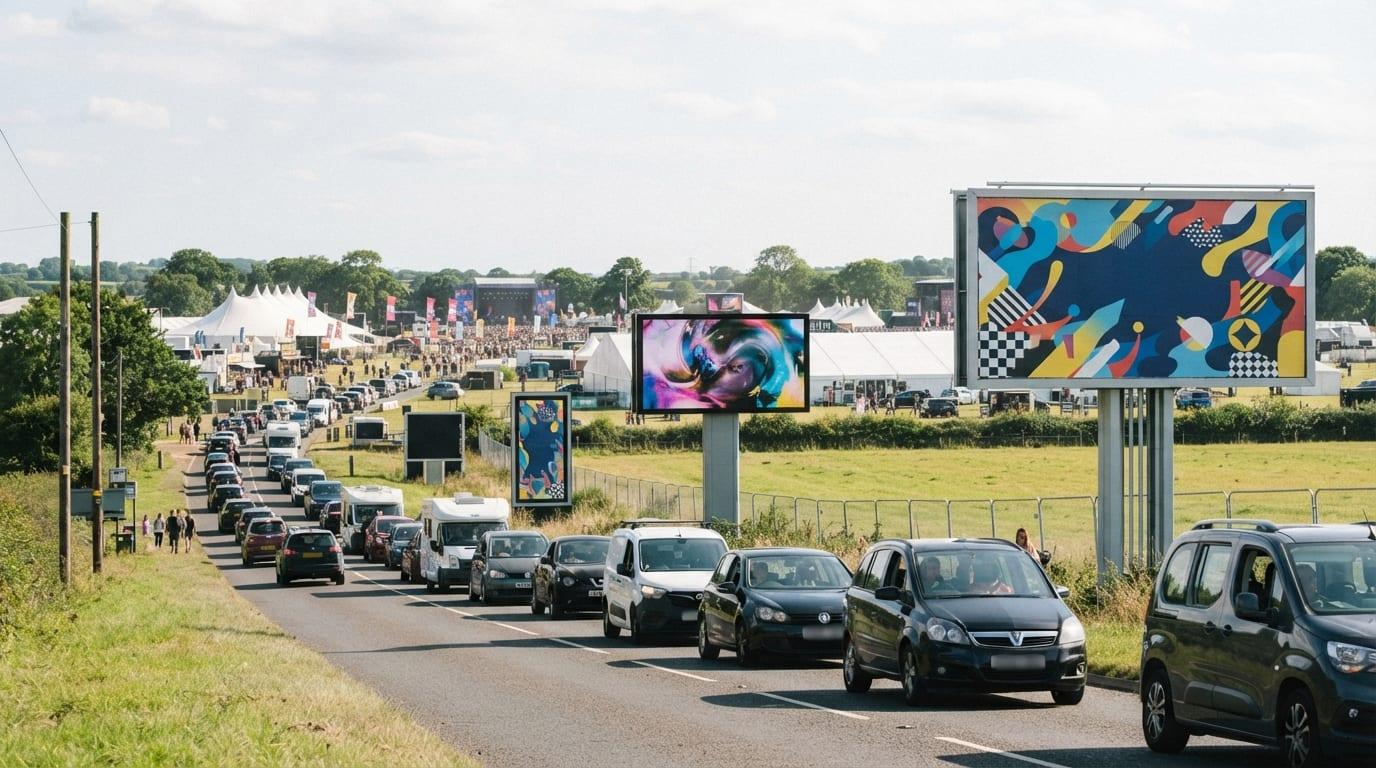
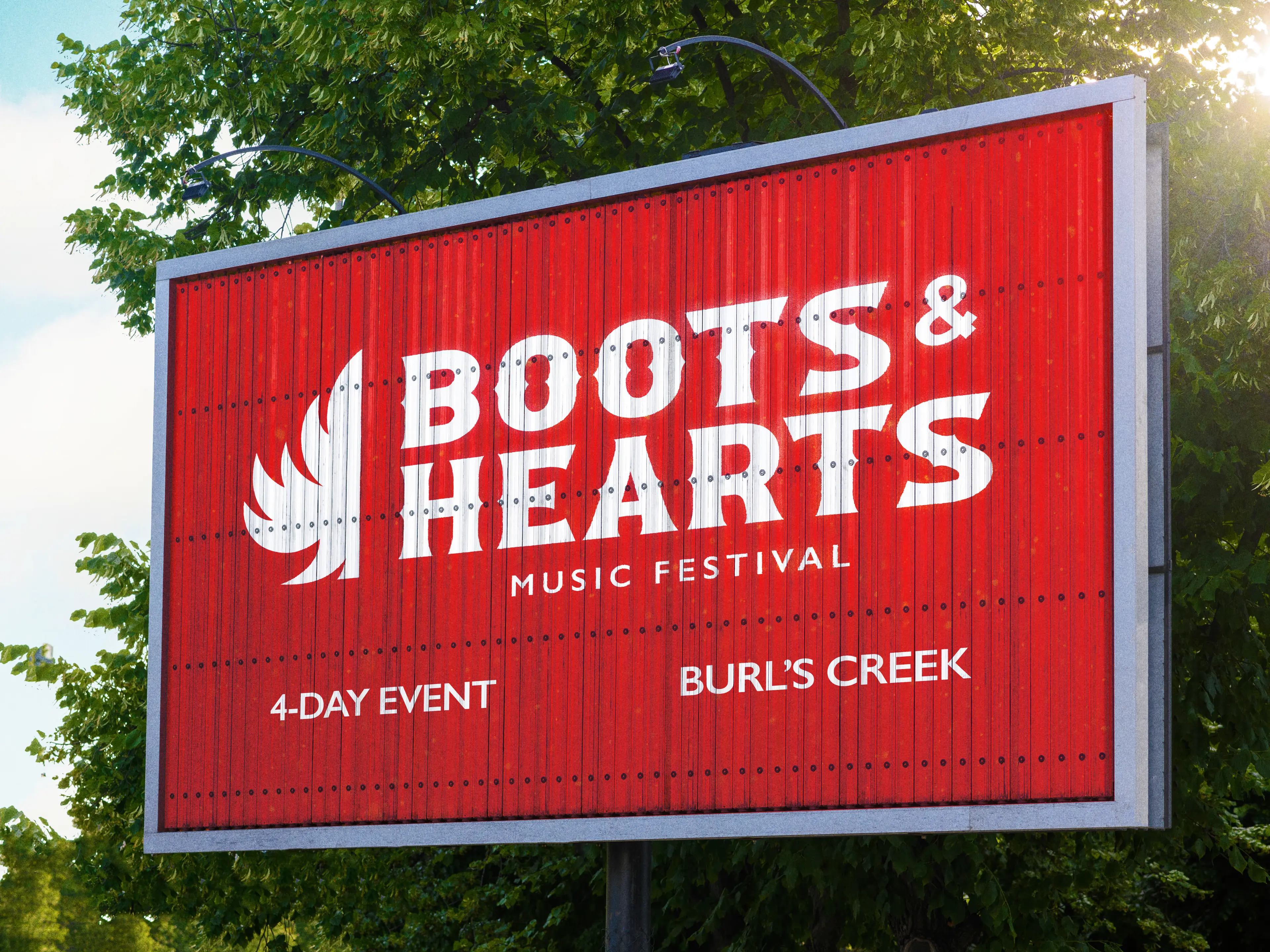

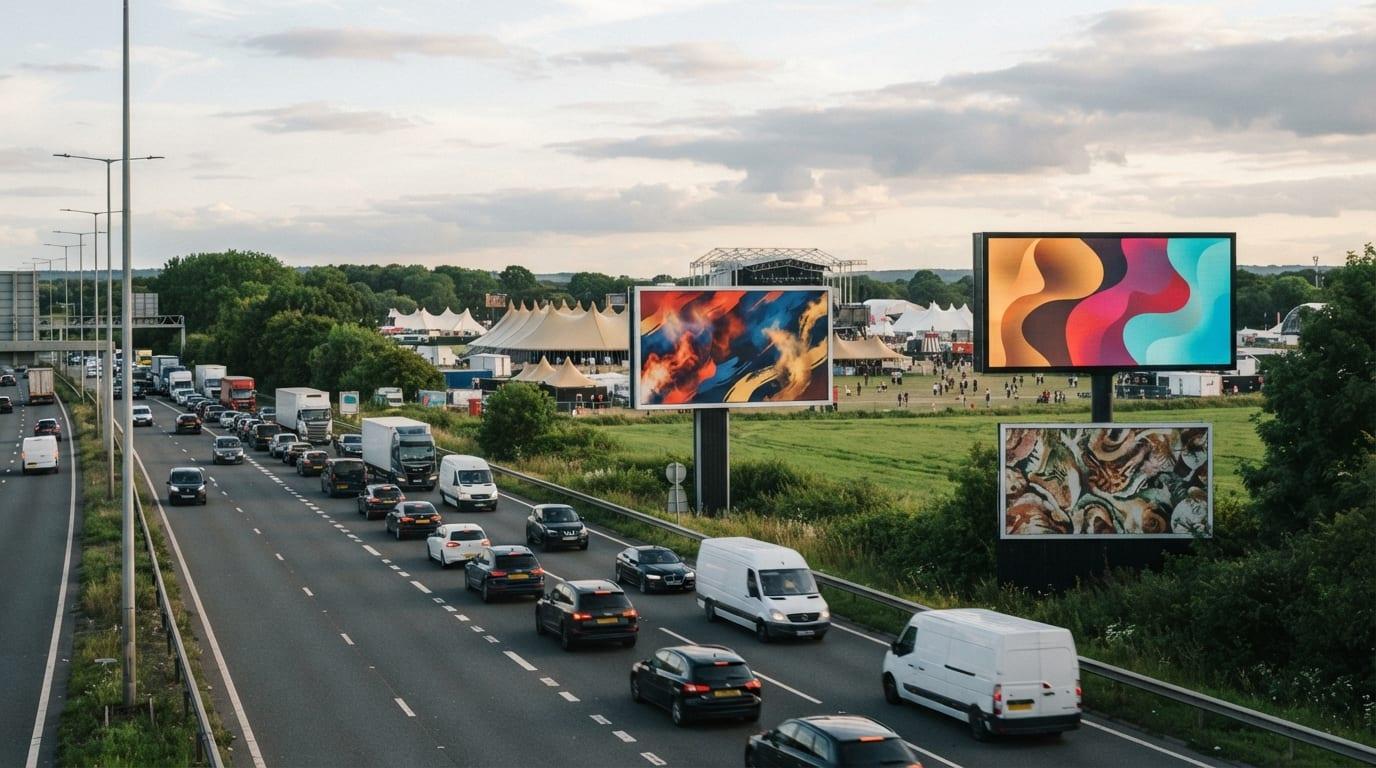
By the second day of a destination festival, the case for OOH is often even clearer than on opening day. Patterns start to reveal themselves: peak arrival windows, congestion points, service stop behavior and the areas where people repeatedly move between camping, parking, food and entertainment. That is why Boots and Hearts is such a useful planning example.
Outdoor works especially well in these conditions because it can appear at the exact moments when people are navigating, anticipating or deciding. A message about fuel, food, beverage, telecom service, transport or post-festival entertainment can be contextually relevant in a way that a generic regional ad would not be.
The route-based nature of the event also improves the efficiency of coverage. Instead of buying a broad city network and hoping the right audience sees it, advertisers can focus on the roads and touchpoints that a meaningful share of attendees actually use. That changes the economic logic of the plan.
Another advantage is emotional state. Festival audiences are often more receptive to mood-led creative than regular commuters. They are on the way to an experience, not just a routine destination. Outdoor that taps into that anticipation can land harder than it would in an everyday setting.
For planners, the broader lesson is that not all event OOH opportunities are equal. The events that work best are those where audience movement is visible, repeated and geographically compressible.
What this means for advertisers
The practical value of this story is not just the headline. It gives advertisers a clearer view of how OOH inventory is being packaged, how audience context affects value, and how creative and timing can materially change the effectiveness of a campaign. For Billboard Guide readers, the useful habit is to read each story as planning intelligence: what does it suggest about inventory quality, commercial timing, audience behavior or creative standards?
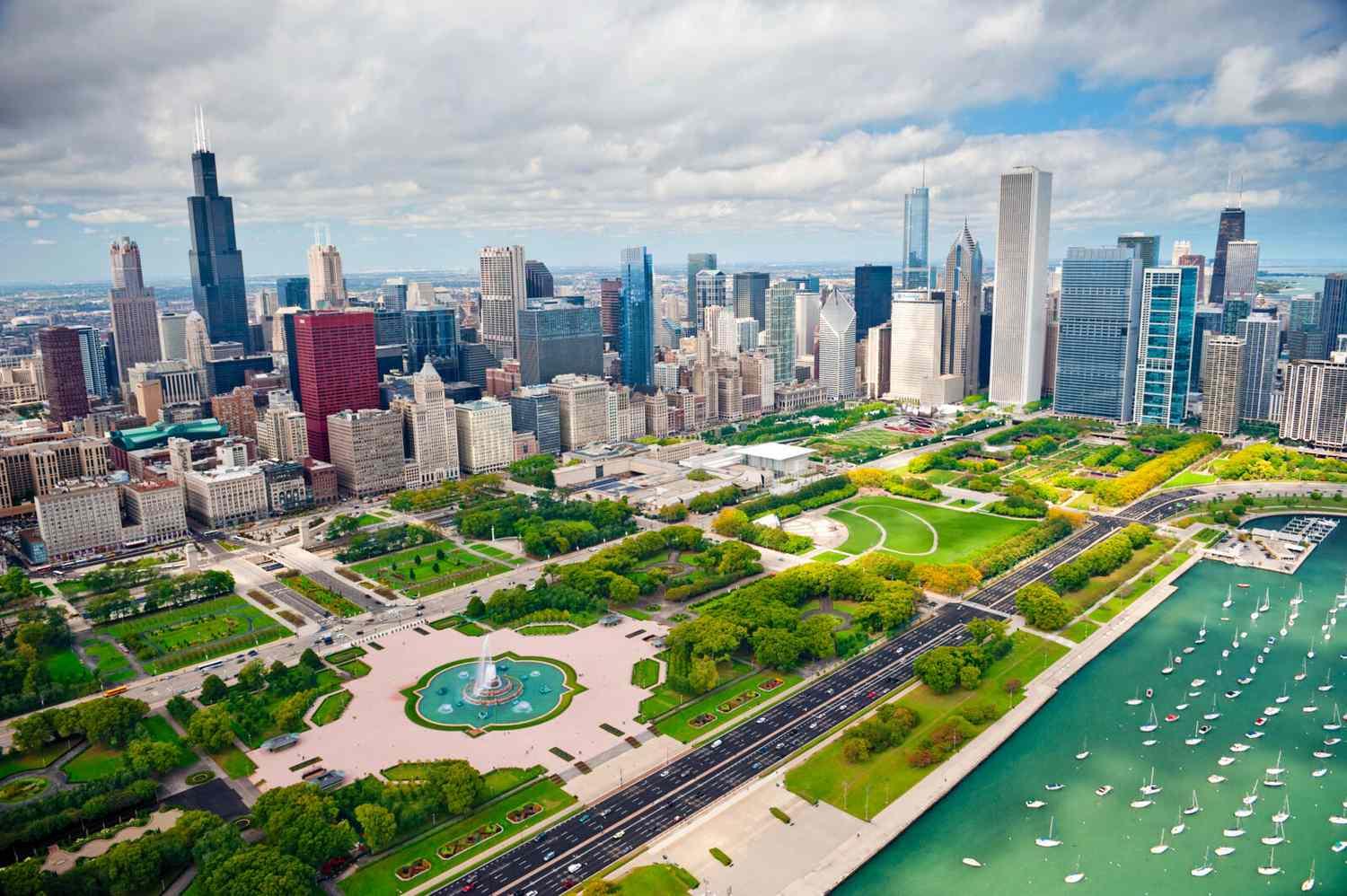 Chicago